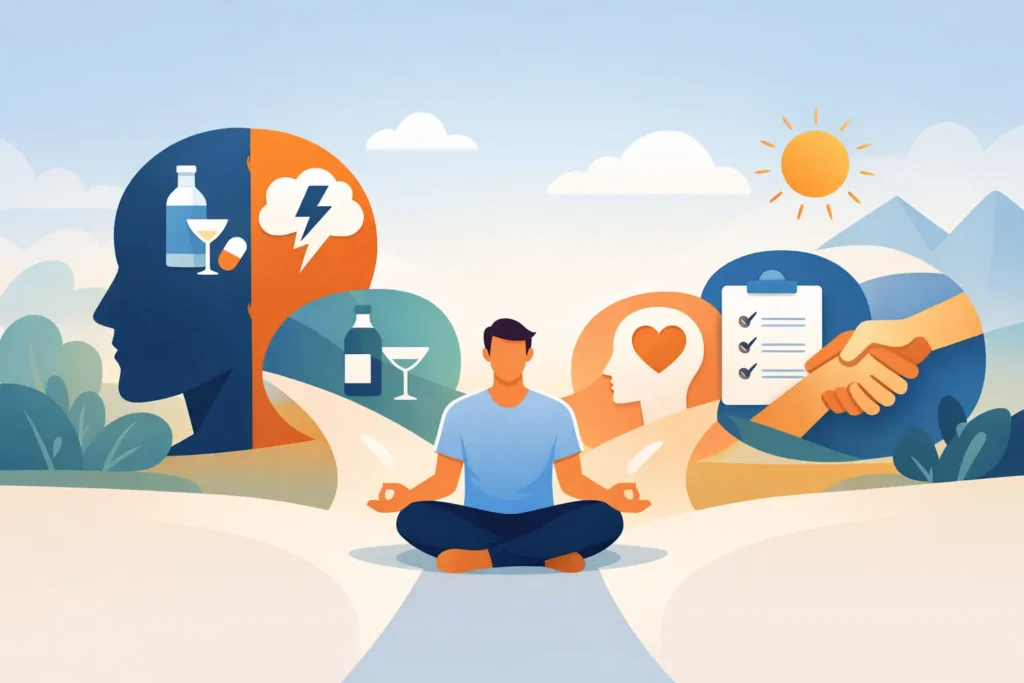
If you have tried to get sober but your anxiety, depression, trauma symptoms, or mood swings keep pulling you back, a dual diagnosis recovery guide needs to start with one truth: this is not a motivation problem. When substance use and mental health conditions show up together, each one can intensify the other. Real progress usually begins when both are treated at the same time, with structure that fits daily life.
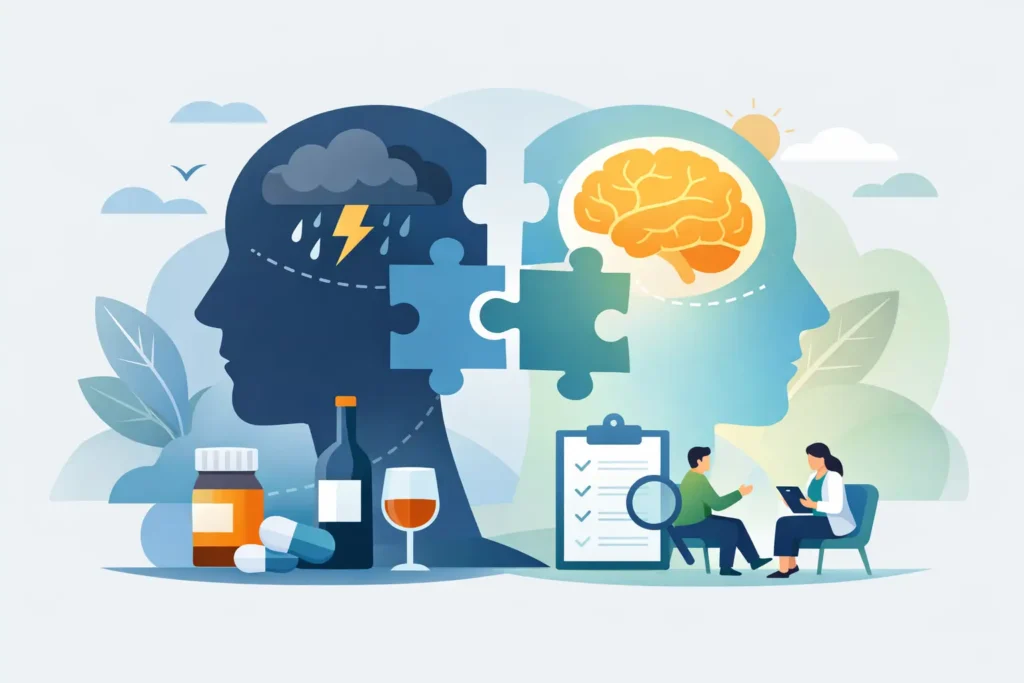
For many people, co-occurring disorders create a painful cycle. A person drinks to calm panic, uses drugs to numb depression, or misuses prescriptions to sleep, focus, or slow racing thoughts. Over time, substances can worsen the very symptoms they seemed to help. That can leave someone feeling stuck, ashamed, and unsure whether the bigger issue is addiction or mental health. In practice, separating them often delays healing.
What a dual diagnosis recovery guide should actually help you do
A useful dual diagnosis recovery guide is not just a checklist for stopping substances. It should help you understand patterns, find the right level of care, build emotional regulation skills, and create a treatment plan that works in the real world. That matters for adults balancing work, students trying to stay enrolled, and families who need a clear path forward without putting life entirely on hold.
Dual diagnosis recovery is different from standard addiction treatment because it asks deeper questions. What symptoms were present before substance use escalated? What happens emotionally right before a relapse? Is trauma part of the picture? Are medications needed, and if so, are they being monitored carefully? The goal is not short-term stabilization alone. The goal is sustainable recovery, with stronger mental health and a more livable daily routine.
Why treating both conditions together matters
When treatment focuses only on substance use, mental health symptoms often remain untreated. A person may stop drinking for a few weeks, then feel overwhelmed by intrusive thoughts, insomnia, hopelessness, or panic. Without support for those symptoms, relapse can start to feel inevitable.
The reverse can happen too. Someone may receive therapy for depression or anxiety while ongoing substance use keeps disrupting sleep, concentration, and emotional stability. That can make therapy less effective and can blur what symptoms are psychiatric and what symptoms are substance-related.
Integrated care tends to work better because it reflects reality. People do not live in separate categories. Their stress, relationships, biology, trauma history, and coping habits all interact. Evidence-based, trauma-informed treatment looks at the full picture and adjusts care as that picture becomes clearer.
Signs you may need dual diagnosis treatment
Some signs are obvious, and some are easy to miss. You may need dual diagnosis treatment if you use alcohol or drugs to manage anxiety, sadness, anger, social discomfort, or sleep problems. You may also need it if your mental health symptoms get worse during early sobriety instead of improving.
Other signs include repeated relapse after treatment, intense mood changes, self-isolation, trouble functioning at work or school, panic attacks, self-harm, or a history of trauma that still affects daily life. Some people have already been diagnosed with depression, bipolar disorder, PTSD, ADHD, or an anxiety disorder. Others have never had a formal diagnosis but know something deeper is going on.
Families often notice the pattern first. They may see that sobriety efforts collapse during emotional stress, or that the person seems numb, agitated, withdrawn, or unsafe even when not actively using. That does not mean families need to diagnose a loved one. It means their observations can be important when deciding what kind of treatment is needed.
The first step is a real assessment
Recovery starts with a thorough clinical assessment, not guesswork. A strong assessment looks at substance use history, mental health symptoms, trauma exposure, current safety concerns, medical needs, medications, family dynamics, and daily functioning. It should also consider practical realities like schedule, transportation, academic demands, and work responsibilities.
This step matters because the right treatment plan depends on severity and stability. Some people need a higher level of support after detox or inpatient rehab. Others are appropriate for outpatient care from the start. It depends on symptom intensity, relapse risk, home environment, and whether the person can function safely between sessions.
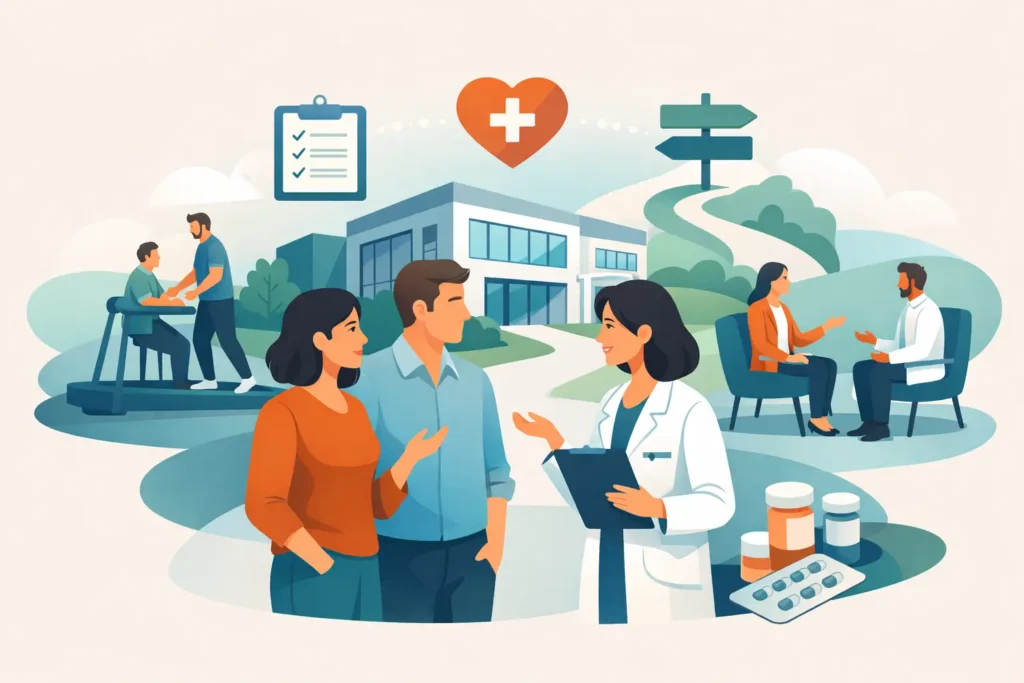
A good assessment is not about labeling someone. It is about building a roadmap. That roadmap may include therapy, psychiatric support, medication management, group counseling, recovery coaching, family involvement, and relapse prevention planning.
Choosing the right level of care
In a dual diagnosis recovery guide, level of care is one of the biggest decisions. Too little structure can leave people exposed to triggers before they are ready. Too much structure can feel hard to sustain if it disconnects them from the responsibilities they need to keep managing.
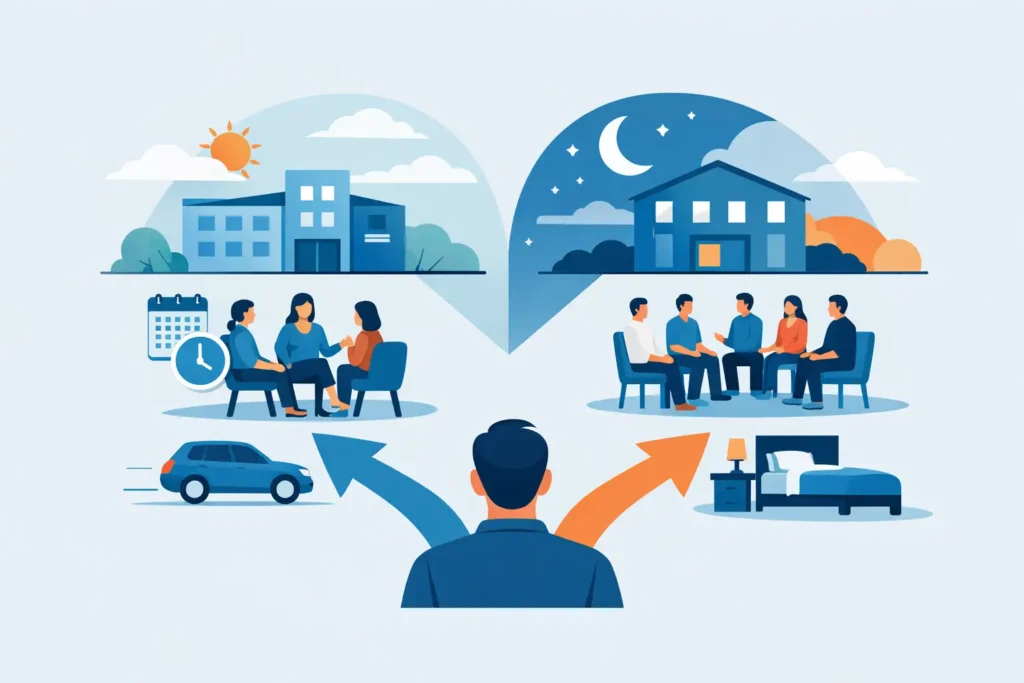
Partial Hospitalization Programs offer a high level of support while allowing clients to return home at the end of the day. This can be a strong fit for people who need intensive therapy and monitoring without inpatient admission. Intensive Outpatient Programs provide more flexibility and are often a good option for those stepping down from a higher level of care or maintaining work, school, or family obligations. General outpatient therapy can work well later in the process, once stability is stronger and relapse risk is lower.
For many people in Houston, flexible outpatient treatment is not just convenient. It is what makes care possible. Recovery has to fit real life closely enough that a person can stay engaged long enough for change to take hold.
What effective treatment usually includes
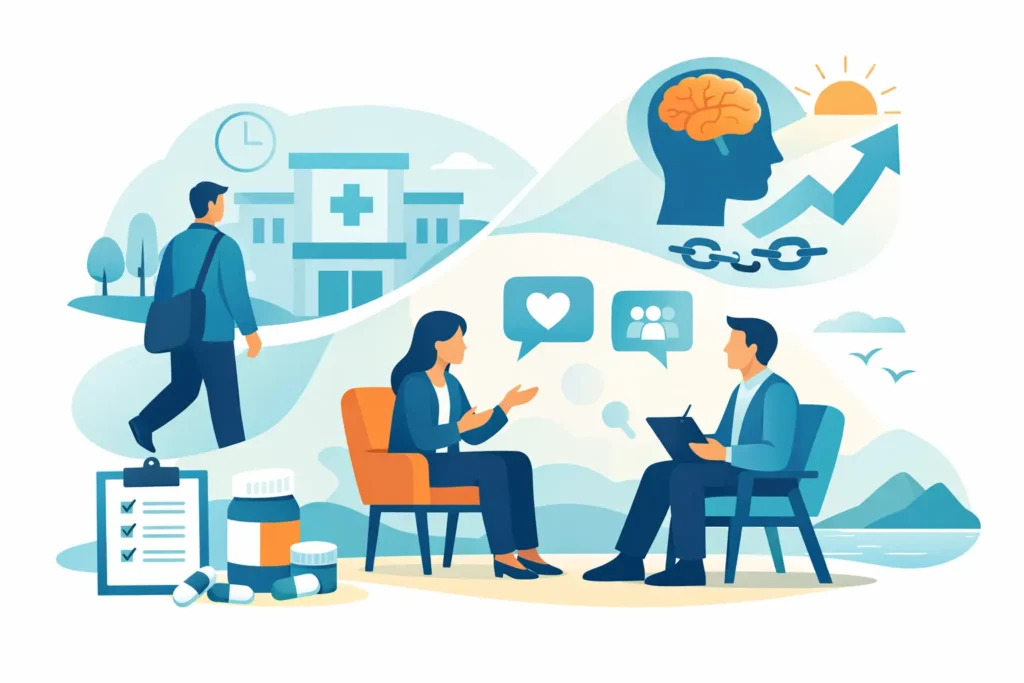
Therapy is a core part of care, but not all therapy addresses the same needs. People with co-occurring disorders often benefit from a combination of individual therapy and group therapy. Individual sessions help uncover the role of trauma, grief, shame, or distorted thinking. Group work helps reduce isolation and builds practical recovery skills in a community setting.
Psychiatric support may also be necessary. Medication can be helpful for some people, especially when symptoms like severe depression, panic, mood instability, or attention problems interfere with recovery. But medication works best when it is part of a broader treatment plan, with close monitoring and honest communication about side effects, benefits, and substance use history.
Life skills and routine-building matter more than many people expect. Dual diagnosis recovery is strengthened by sleep hygiene, healthy structure, nutrition, movement, boundary setting, and stress management. These may sound basic, but they are often the first systems to break down and the last to be rebuilt without support.
A dual diagnosis recovery guide for relapse prevention
Relapse prevention in dual diagnosis care is not just about avoiding people, places, and substances. It also means learning how emotional triggers work. A bad day at work, a breakup, loneliness, academic pressure, family conflict, or even sudden success can destabilize someone who has relied on substances to regulate feelings.
That is why treatment should help clients identify warning signs early. Changes in sleep, irritability, skipping meals, withdrawing from support, missing therapy, and romanticizing past substance use can all signal risk. So can untreated psychiatric symptoms. If anxiety is climbing or depression is deepening, the relapse plan should address that directly rather than treating it as a separate issue.
The most effective plans are specific. Who do you call first? What coping skills work when your mind is racing? What signs mean you need a higher level of care again? Vague intentions often fail under pressure. Clear plans are easier to follow when emotions are high.
The role of family and support systems
Recovery is personal, but it rarely succeeds in isolation. Family support can be powerful when it is informed, consistent, and boundaried. Loved ones may need guidance on how to support treatment without rescuing, enabling, or escalating conflict.
This is especially important for teens, young adults, and college students, whose recovery may unfold alongside family expectations, school stress, and identity development. Support systems need to understand that dual diagnosis recovery can involve setbacks without meaning failure. Progress may look uneven at times. What matters is whether the treatment plan keeps adapting and the person keeps re-engaging.
For adults, support may also come from spouses, roommates, trusted friends, or recovery peers. The key is having people who understand the plan and reinforce it.
What long-term healing really looks like
Long-term recovery is not perfection. It is better awareness, stronger coping, and a life that no longer depends on substances to function emotionally. For some people, that means returning to work with more stability. For others, it means staying in school, rebuilding trust at home, managing medications safely, or finally addressing trauma in a way that feels contained and supported.
There is no single timeline. Some people improve quickly once they receive integrated care. Others need time to sort out what symptoms belong to withdrawal, what reflects an underlying mental health condition, and what requires more intensive support. That does not mean treatment is failing. It means the process is doing what it should – getting more accurate as healing unfolds.
At Altura Recovery, this kind of comprehensive outpatient recovery service is designed around the reality that people need evidence-based, trauma-informed support that works beyond the therapy room. Healing is not only about stopping a behavior. It is about building a steadier self.
If you or someone you love is dealing with both substance use and mental health symptoms, the next right step does not have to be dramatic. It just has to be honest, structured, and supported enough to give real healing a chance.