
You may know you need more than a weekly therapy appointment, but not so much care that you have to leave work, school, or family life behind. That is usually the moment people start asking, what is intensive outpatient substance abuse treatment, and is it enough to help me stay sober and steady.
The short answer is that intensive outpatient substance abuse treatment, often called IOP, is a structured level of care for people who need consistent support for addiction recovery while continuing to live at home. It offers more therapy, accountability, and clinical oversight than standard outpatient care, but it does not require 24-hour supervision like inpatient rehab or residential treatment.
For many people, that balance is exactly what makes IOP effective. Recovery does not happen in a vacuum. It happens while you are managing cravings, stress, relationships, work pressure, school demands, and the routines that used to support substance use. Intensive outpatient treatment gives you a place to build recovery skills in real time, with real-life challenges still in the picture.
What is intensive outpatient substance abuse treatment in practice?
In practice, IOP is a scheduled treatment program that usually includes several hours of care on multiple days each week. The exact schedule varies by provider and clinical need, but many programs involve group therapy, individual counseling, relapse prevention work, psychoeducation, and support for co-occurring mental health conditions such as anxiety, depression, or trauma.
This level of care is called intensive because it is more involved than traditional outpatient therapy. You are not just checking in once a week and hoping for the best. You are participating in a structured recovery process with ongoing therapeutic support, clear treatment goals, and regular clinical monitoring.
At the same time, it is outpatient care. That means you return home after treatment sessions. You can often keep attending classes, maintain a job, care for children, or stay connected to your support system. For people who need flexibility without losing structure, that matters.
How IOP fits between inpatient rehab and standard outpatient care
One of the biggest points of confusion is where IOP sits on the treatment spectrum. It is not the highest level of care, and it is not the lightest.
Inpatient or residential rehab is designed for people who need a fully controlled setting with round-the-clock supervision. That may be appropriate if someone is medically unstable, at high risk of relapse, unsafe at home, or unable to function without constant support.
General outpatient treatment is less intensive. It may involve one individual therapy session per week, medication management, or occasional group support. That can work well for people with strong stability, lower relapse risk, and a solid recovery foundation.
IOP sits in the middle. It is often a strong fit for people stepping down from detox, residential treatment, or a partial hospitalization program. It can also be the right starting point for someone whose substance use is serious enough to require consistent care, but who does not need 24-hour monitoring.
That middle ground is valuable because recovery needs are not one-size-fits-all. Too little support can leave people vulnerable. Too much restriction can make treatment feel impossible to sustain. IOP is often where flexibility and clinical structure meet.
What happens during intensive outpatient treatment?
Most intensive outpatient programs include a mix of therapeutic services designed to treat both substance use and the patterns that keep it going.
Group therapy is usually a central part of treatment. This is where clients practice honesty, accountability, communication, and coping skills while learning from others facing similar struggles. A well-run group can reduce isolation fast. It also helps people hear their own thinking more clearly when they see similar patterns in others.
Individual therapy gives space for more personal work. That may include trauma, grief, family conflict, shame, self-sabotage, or the emotional triggers behind substance use. This is often where treatment becomes more personalized and where deeper change starts to take shape.
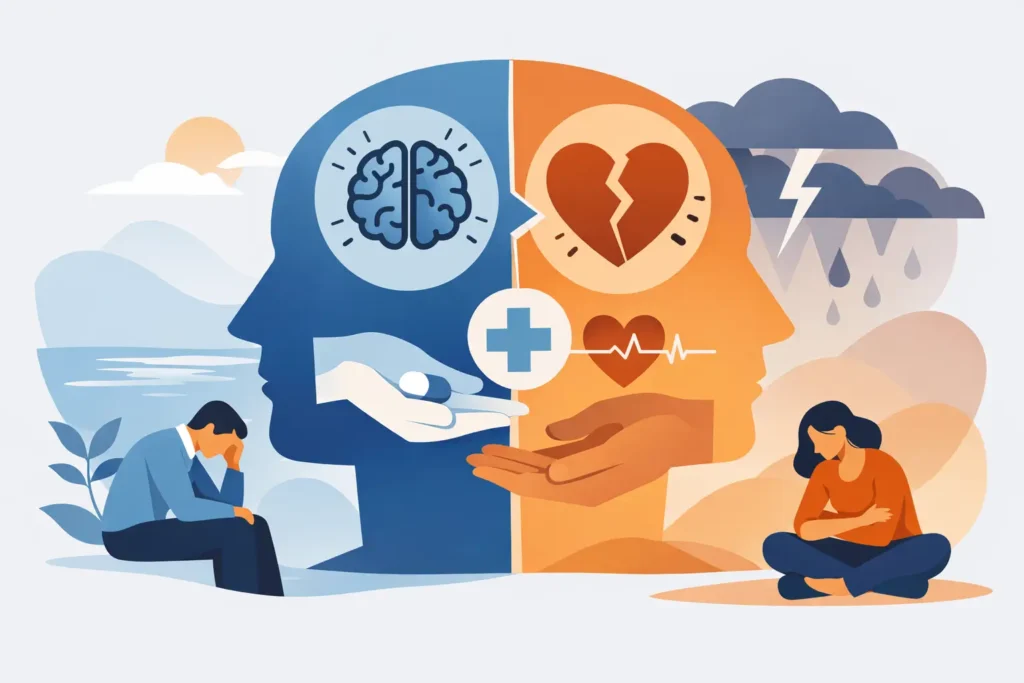
Many programs also include education on relapse prevention, stress management, emotional regulation, healthy boundaries, and life skills. If someone is living with both addiction and a mental health condition, dual diagnosis care can be a critical part of IOP. Treating substance use without addressing depression, panic, PTSD, or bipolar symptoms often leaves major relapse drivers untouched.
Some clients also benefit from psychiatric support and medication management as part of outpatient care. That is especially relevant when cravings, sleep problems, mood instability, or underlying psychiatric symptoms are affecting daily functioning.
Who is a good candidate for IOP?
IOP can be a strong option for a wide range of people, but it is not automatically right for everyone. The best candidates usually need meaningful structure and support, yet have enough stability to live safely outside a residential setting.
That might include someone who has recently completed detox and needs help maintaining momentum. It might be a college student whose drinking or drug use is disrupting classes, sleep, and mental health. It might be a working professional trying to stop hiding a problem that has started affecting performance, relationships, or emotional control.
It can also be a good fit for adults with co-occurring conditions who need more than occasional therapy. When anxiety, trauma, depression, or family stress are tangled up with substance use, a more comprehensive outpatient model often makes recovery feel more realistic and less fragmented.
Still, there are cases where IOP may not be enough. If someone is at immediate risk of harming themselves, experiencing severe withdrawal, unable to stay sober between sessions, or living in a highly unsafe environment, a higher level of care may be needed first. Good treatment starts with an honest clinical assessment, not a guess.
The benefits of intensive outpatient substance abuse treatment
The biggest benefit of IOP is that it helps people practice recovery where life is actually happening. You are not removed from your environment entirely. You are learning to navigate it differently with support close by.
That has clear advantages. You can test coping skills in real situations, bring setbacks back into treatment quickly, and work through triggers as they happen. Instead of waiting until discharge to figure out how to manage real life, real life becomes part of the treatment process.
There is also a practical benefit. Many people simply cannot pause their lives for residential care. Parents, students, and working adults may need treatment that respects those responsibilities while still taking addiction seriously. IOP offers structure without requiring total separation from daily obligations.
For families, it can also create more opportunities for involvement. When appropriate, family therapy or family education can help rebuild trust, improve communication, and strengthen the support system around the person in treatment.
What to look for in an IOP program
Not every intensive outpatient program offers the same depth or quality of care. A schedule alone does not make treatment effective.
Look for a program that starts with a thorough assessment and builds an individualized treatment plan. Evidence-based therapy matters. Trauma-informed care matters. Support for co-occurring mental health conditions matters. So does having a team that pays attention to the whole person, not just the substance use itself.
It is also worth asking how the program handles relapse prevention, psychiatric support, family involvement, and transitions to lower levels of care. Strong outpatient treatment should not only help you stop using. It should help you build a more stable life, with routines, relationships, and coping strategies that can actually last.
For people in Houston, practical details matter too. Scheduling, transportation, proximity to work or school, and the ability to maintain privacy can all affect whether treatment is realistic. The best program is not just clinically sound. It is one you can consistently engage with.
Why this level of care can be life-changing
People sometimes underestimate outpatient treatment because they hear outpatient and assume it is less serious. In reality, a well-structured IOP can be deeply transformative. It asks for honesty, commitment, and real participation. It also gives people the chance to recover while rebuilding daily life, not after the fact.
That can be especially powerful for individuals who want more than crisis stabilization. They want to understand their patterns, strengthen emotional regulation, repair trust, and create a version of recovery that fits the life they are trying to build. Programs like those offered at Altura Recovery are designed around that kind of practical, evidence-based change.
If you are asking whether intensive outpatient treatment is enough, the better question may be whether it matches what you need right now. The right level of care should challenge you, support you, and give you room to heal without losing sight of the life waiting for you outside the therapy room.