Starting the journey to sobriety can feel overwhelming, but you're not alone. The search for effective ways to get sober is the critical first step toward reclaiming your health, relationships, and future. The idea that there's only one 'right' way to achieve sobriety is a myth. Modern addiction treatment recognizes that recovery is a deeply personal process, and the most sustainable paths are built on evidence-based strategies tailored to your unique circumstances, needs, and goals.
This guide offers a compassionate roundup of ten proven methods that form the foundation of successful, long-term recovery. Whether you're considering treatment for the first time, supporting a loved one, or seeking to strengthen your existing sobriety, this list provides clear, actionable insights into the options available. We will explore a variety of approaches, from structured outpatient programs that fit into your daily life to specialized therapies that heal underlying trauma.
Each strategy detailed here offers a different set of tools to help you navigate the challenges of recovery. You'll learn about the distinct benefits of:
- Evidence-Based Therapies like CBT and DBT for changing thought patterns.
- Medical Support such as Medication-Assisted Treatment (MAT).
- Community-Based Models including peer support groups and sober living.
- Specialized Care for addressing trauma and co-occurring mental health conditions.
Our goal is to empower you with the knowledge to make informed decisions. By understanding the diverse ways to get sober, you can build a personalized recovery plan that leads to real healing, sustainable growth, and lasting freedom.
1. Evidence-Based Individual Therapy (CBT & DBT)
Individual therapy serves as a cornerstone for sustainable recovery, offering a private, focused environment to untangle the roots of addiction. Two of the most effective and widely used methods are Cognitive Behavioral Therapy (CBT) and Dialectical Behavior Therapy (DBT). These structured, goal-oriented approaches are considered evidence-based practices, meaning their effectiveness is supported by extensive scientific research. They are foundational to many of the best ways to get sober because they equip individuals with tangible skills to manage triggers and cravings.
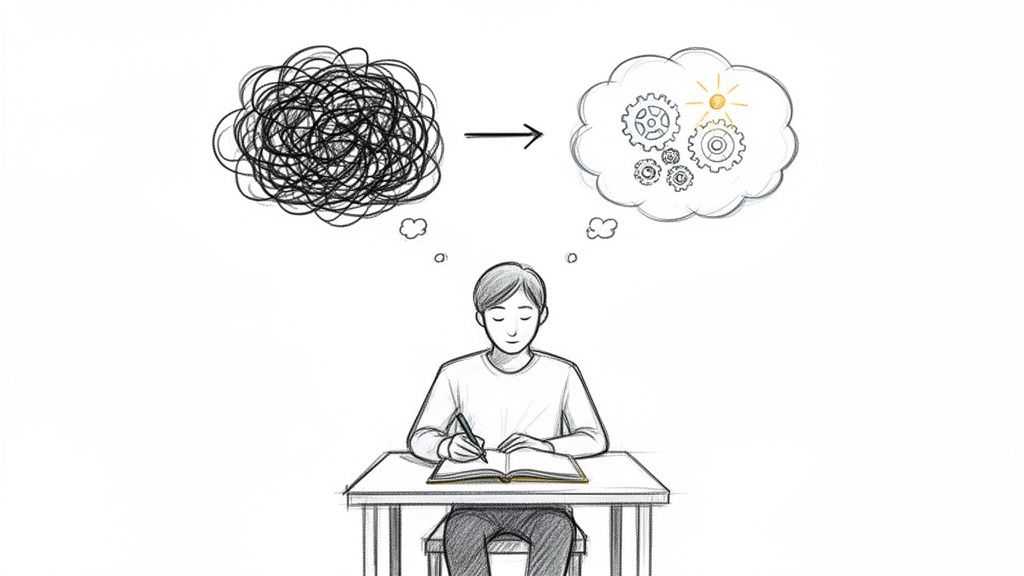
CBT, pioneered by Dr. Aaron Beck, operates on the principle that our thoughts, feelings, and behaviors are interconnected. In treatment, a therapist helps you identify and challenge the automatic negative thought patterns that lead to substance use. DBT, developed by Dr. Marsha Linehan, builds on CBT by incorporating mindfulness and emotional regulation skills, making it particularly effective for individuals with co-occurring disorders like anxiety or borderline personality disorder.
How These Therapies Work in Practice
The goal of both CBT and DBT is not just to talk about problems but to actively build skills to solve them. Your therapist acts more like a coach, guiding you through exercises and providing tools to use in your daily life.
- Identifying Triggers (CBT): You might create a log to track situations, thoughts, and feelings that precede a craving. For example, you might realize that feelings of loneliness on a Friday night consistently trigger thoughts of drinking.
- Challenging Distortions (CBT): Your therapist helps you question and reframe unhelpful thoughts like, "I can't handle this stress without a drink." You'll learn to replace it with a more balanced thought, such as, "This is stressful, but I have other coping skills I can use."
- Distress Tolerance (DBT): You learn techniques to navigate intense emotional crises without resorting to substance use. This could involve skills like radical acceptance or using sensory grounding techniques.
- Emotional Regulation (DBT): DBT helps you understand your emotions and reduce your vulnerability to negative emotional states, a key component in preventing relapse.
Actionable Tips for Success
To get the most out of these therapies, active participation is crucial.
- Commit to homework: Practice the skills your therapist teaches you between sessions.
- Keep a journal: Tracking your thoughts and behaviors provides valuable data for your sessions.
- Practice in low-stakes situations: Try new coping skills when you're calm so they become second nature when you're stressed.
- Be honest: Tell your therapist which techniques work for you and which ones don't. This allows for a more personalized and effective treatment plan.
2. 12-Step Programs & Peer Support Groups
Peer support groups are a powerful, community-based resource that offers connection, shared experience, and accountability. Programs like Alcoholics Anonymous (AA), Narcotics Anonymous (NA), and SMART Recovery provide free, accessible meetings where individuals can find solidarity with others who understand the challenges of addiction. This sense of belonging is a key reason why peer support is one of the most enduring ways to get sober, as it combats the isolation that often fuels substance use.
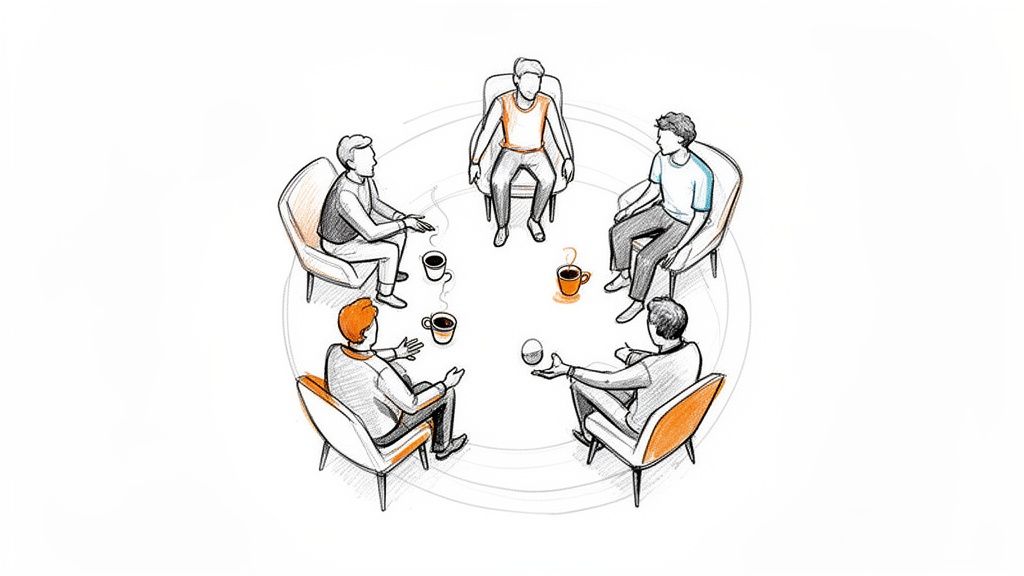
While traditional 12-step programs like AA and NA are built on spiritual principles and the concept of admitting powerlessness, alternatives like SMART Recovery use a four-point program based on cognitive-behavioral principles and self-empowerment. Other options, such as Refuge Recovery, incorporate Buddhist-inspired practices like mindfulness and meditation. This variety allows individuals to find a community that aligns with their personal beliefs and recovery goals.
How These Groups Work in Practice
The core function of these groups is to provide a regular, safe space for members to share their struggles and successes without judgment. The structure is simple but effective: show up, listen, and share when you feel comfortable. The mutual support system creates a network of accountability that helps individuals stay on track.
- Shared Experience: Hearing stories from others who have faced similar battles validates your own experience and provides hope that long-term recovery is possible.
- Sponsorship: In 12-step programs, a sponsor is an experienced member who guides a newcomer through the steps, offering one-on-one support and guidance.
- Consistent Routine: Regular meetings provide a healthy, predictable structure to replace the chaos of active addiction. This consistency is crucial in early recovery.
- Alternative Viewpoints: Groups like SMART Recovery offer tools for building motivation, coping with urges, managing thoughts, and living a balanced life, focusing on self-reliance rather than a higher power.
Actionable Tips for Success
Finding the right group and engaging with it are essential for getting the most benefit.
- Try different meetings: Attend several different groups and meetings to find one where you feel comfortable and connected.
- Get phone numbers: Exchange contact information with other members to build a support network you can call on between meetings.
- Don't rush sponsorship: Take your time to find a sponsor you trust and whose recovery you admire.
- Combine with therapy: Peer support is most effective when used alongside professional treatment, like individual therapy or an outpatient program.
- Use meeting finders: Apps like Meeting Guide can help you locate AA, NA, and other meetings near you or online.
3. Medication-Assisted Treatment (MAT)
Medication-Assisted Treatment (MAT) is a highly effective, evidence-based approach that combines FDA-approved medications with counseling and behavioral therapies to treat substance use disorders. It is particularly effective for opioid and alcohol addiction, providing a "whole-patient" approach to recovery. MAT is a crucial part of modern addiction medicine because it addresses the physiological aspects of addiction, stabilizing brain chemistry and reducing cravings, which allows individuals to focus more effectively on the psychological work of therapy.
Popularized by leading organizations like the Substance Abuse and Mental Health Services Administration (SAMHSA) and the National Institute on Drug Abuse (NIDA), MAT is designed to normalize brain function and block the euphoric effects of alcohol and opioids. Medications such as buprenorphine, methadone, and naltrexone work by either occupying opioid receptors or managing withdrawal symptoms, significantly reducing the risk of relapse and overdose. This medical support provides the stability needed for long-term recovery.
How MAT Works in Practice
The goal of MAT is to relieve the physical burden of addiction so you can engage fully in the therapeutic process. The medication component is prescribed and monitored by a qualified healthcare provider, often in conjunction with a comprehensive treatment plan that includes counseling.
- Reducing Cravings and Withdrawal (Buprenorphine/Methadone): Medications like Suboxone (a buprenorphine-naloxone combination) and methadone are partial or full opioid agonists. They activate opioid receptors just enough to prevent severe withdrawal and cravings without producing the high associated with substance misuse.
- Blocking Euphoric Effects (Naltrexone): Naltrexone, often administered as a monthly injection called Vivitrol, is an opioid antagonist. It blocks the euphoric and sedative effects of opioids, which helps prevent relapse by removing the rewarding feeling of the substance.
- Integrated Therapeutic Support: The medication makes it possible to benefit from therapy. While the medication stabilizes your body, counseling helps you develop coping skills, address underlying trauma, and rebuild your life.
Actionable Tips for Success
To maximize the benefits of MAT, it’s essential to view it as an integrated part of a larger recovery strategy.
- Combine with therapy: Medication alone is not enough. Consistently attend counseling or therapy sessions to build the psychological skills needed for lasting sobriety.
- Adhere to your schedule: Take your medication exactly as prescribed and attend all medical appointments to ensure proper dosing and management.
- Be honest with your provider: Disclose your full substance use history and any side effects you experience. This transparency is vital for your safety and treatment effectiveness.
- Develop a support system: Engage with peer support groups or family therapy alongside your MAT program to build a strong recovery network.
4. Trauma-Informed Therapy (EMDR & Trauma Processing)
Trauma-informed therapy is a crucial approach for many on the path to sobriety, as it directly addresses the deep connection between unresolved trauma and substance use. Many people turn to drugs or alcohol to self-medicate the overwhelming symptoms of trauma, such as flashbacks, anxiety, or emotional numbness. Therapies like Eye Movement Desensitization and Reprocessing (EMDR) and Trauma-Focused Cognitive Behavioral Therapy (TF-CBT) are designed to process these painful memories, reducing their emotional impact and eliminating the need to self-medicate.
EMDR, developed by Dr. Francine Shapiro, uses bilateral stimulation (like guided eye movements) to help the brain reprocess traumatic memories, storing them in a way that no longer triggers a fight-or-flight response. TF-CBT adapts cognitive behavioral principles to help individuals confront and manage trauma-related thoughts and feelings. Addressing the root cause of the pain is one of the most effective ways to get sober for good, as it breaks the cycle of substance use as a coping mechanism.
How These Therapies Work in Practice
The goal is to safely process trauma so it no longer controls your behavior. This work is done with a specially trained therapist who creates a secure environment, ensuring you feel grounded and supported throughout the process.
- Resourcing and Stabilization: Before addressing trauma, your therapist will equip you with grounding techniques and coping skills to manage intense emotions. This ensures you have the tools to stay stable during and after sessions.
- Processing Traumatic Memories (EMDR): While focusing on a traumatic memory, you will engage in bilateral stimulation. This helps your brain access and reprocess the memory, reducing its emotional intensity until it feels like a distant event rather than a present threat.
- Cognitive Restructuring (TF-CBT): You will work to identify and challenge unhelpful beliefs related to the trauma, such as self-blame or the idea that the world is entirely unsafe.
- Narrative Creation (TF-CBT): You'll create a coherent story of your traumatic experience. This helps you integrate it into your life story in a way that empowers you, rather than defines you.
Actionable Tips for Success
Trauma work requires readiness and a strong support system. To ensure a safe and effective experience:
- Establish sobriety first: It is often recommended to have a period of stable sobriety before beginning intensive trauma processing.
- Find a certified specialist: Look for a therapist certified by an organization like the EMDR International Association (EMDRIA) to ensure they have proper training.
- Develop a safety plan: Work with your therapist to create a plan for managing difficult emotions that may arise between sessions.
- Practice grounding: Regularly use grounding techniques you learn in therapy, like deep breathing or the 5-4-3-2-1 method, to stay present.
5. Intensive Outpatient Programs (IOP)
Intensive Outpatient Programs (IOPs) offer a structured and comprehensive treatment solution that allows individuals to continue living at home. This model provides a vital middle ground between residential care and less frequent therapy, making it one of the most effective ways to get sober for those balancing recovery with work, school, or family commitments. IOPs deliver a high level of support, typically requiring 9-20 hours of participation per week, spread across multiple days.
This level of care is ideal for individuals who have completed medical detox or an inpatient program and need continued, intensive support as they reintegrate into daily life. It is also suitable for those whose substance use disorder does not medically require 24-hour supervision but who need more than a standard weekly therapy session. The curriculum is robust, combining group therapy, individual counseling, psychoeducation, and skill-building workshops.
How IOPs Work in Practice
IOPs are designed to create a therapeutic community and provide accountability without removing you from your real-world environment. This structure allows you to immediately apply the skills you learn in your home, work, and social settings, addressing challenges as they arise with the guidance of your treatment team.
- Structured Group Therapy: The majority of time in an IOP is spent in group sessions, where you process challenges, build sober social skills, and learn from the shared experiences of peers.
- Individual Counseling: Regular one-on-one sessions with a therapist help you address personal issues, set recovery goals, and integrate lessons from group therapy.
- Psychoeducation: You'll attend classes that teach the science of addiction, relapse prevention strategies, and healthy coping mechanisms for managing stress and triggers.
- Family Involvement: Many programs, like Altura Recovery's IOP in Houston, include family therapy to repair relationships and build a supportive home environment.
Actionable Tips for Success
To maximize the benefits of an IOP, full engagement and proactive participation are key.
- Attend every session: Consistency is crucial for building momentum and establishing a strong foundation in recovery.
- Create a daily routine: Structure your time outside of program hours to minimize idle time and reduce the risk of triggers.
- Be vocal about home triggers: Communicate openly with your counselors about challenges you face at home so they can provide targeted support.
- Build peer connections: Form accountability partnerships with other group members to create a support network that extends beyond the program.
6. Mindfulness-Based Relapse Prevention (MBRP)
Mindfulness-Based Relapse Prevention (MBRP) is an innovative approach that combines the principles of cognitive therapy with mindfulness practices like meditation. Instead of trying to avoid or suppress cravings, MBRP teaches you how to observe them with non-judgmental awareness. This practice helps you detach from the automatic pilot mode that often leads to substance use, creating a crucial pause between a trigger and your reaction. Developed by Dr. Sarah Bowen and her colleagues, it is one of the most empowering ways to get sober because it builds your internal capacity to manage discomfort.
MBRP is grounded in the idea that by becoming more aware of your internal experiences (thoughts, feelings, bodily sensations), you can recognize early warning signs of a relapse. The practice encourages curiosity rather than criticism, allowing you to investigate your urges without being controlled by them. Research from institutions like the University of Washington has shown that MBRP significantly reduces relapse rates and helps manage co-occurring issues like anxiety and depression.
How MBRP Works in Practice
MBRP is less about achieving a perfectly clear mind and more about changing your relationship with your thoughts. Through guided meditations and group exercises, you learn to sit with difficult emotions and cravings, realizing that they are temporary and do not require action. This is a skill-based approach that transforms how you experience stressful situations.
- Body Scan Meditation: You systematically bring awareness to different parts of your body, noticing sensations without judgment. This practice anchors you in the present moment.
- Mindful Awareness of Cravings: Instead of fighting an urge, you learn to observe it. Where do you feel it in your body? What thoughts accompany it? This observation creates space and reduces the urge's power.
- Mindful Movement: Gentle activities like mindful walking or stretching help connect your mind and body, providing a healthy outlet for restlessness or stress.
- Identifying "High-Risk" Situations: Like CBT, you identify triggers but approach them with mindful awareness rather than simple avoidance, building resilience for real-world encounters.
Actionable Tips for Success
Integrating mindfulness into your daily routine is key to making it a reliable recovery tool.
- Start small: Begin with just 5-10 minutes of guided meditation each day using apps like Insight Timer or Headspace.
- Practice when you're calm: Build your mindfulness "muscle" during low-stress times so it's strong enough to use during a crisis.
- Be curious, not critical: Approach your thoughts and feelings with a sense of gentle curiosity. There is no "wrong" way to feel during practice.
- Journal your experience: After a session, write down what you noticed. This can provide valuable insights into your internal patterns.
7. Family Therapy & Systems-Based Approaches
Substance use disorder rarely exists in a vacuum; it deeply impacts the entire family unit. Family therapy and systems-based approaches acknowledge this reality, viewing addiction not just as an individual's problem but as an issue intertwined with family dynamics. These methods are crucial ways to get sober because they heal relationships, improve communication, and build a strong, informed support network essential for long-term recovery.
These approaches, including Multidimensional Family Therapy (MDFT) and family-based behavioral therapy, focus on the interactions and patterns within the family system. The goal is to address issues like codependency, enabling behaviors, and broken communication that may contribute to or be worsened by substance use. By involving loved ones, treatment becomes a collaborative effort, fostering empathy and shared responsibility for creating a healthier home environment.
How These Therapies Work in Practice
Family therapy creates a safe, mediated space for all members to express themselves and learn new ways of interacting. A therapist facilitates conversations and guides the family toward more functional dynamics, helping everyone understand their role in the recovery process.
- Mapping Family Dynamics: The therapist helps identify unspoken rules, roles, and communication patterns. For example, a family might realize one member acts as the "enabler" while another is the "scapegoat," and work to dismantle these unhealthy roles.
- Improving Communication: Families practice new skills like active listening and using "I" statements to express feelings without blame, shifting from arguments to productive conversations.
- Education and Psychoeducation: Family members learn about the science of addiction, which reduces stigma and blame. They understand that it's a disease, not a moral failing, which helps foster compassion.
- Setting Healthy Boundaries: A key focus is establishing clear, respectful boundaries. This helps family members support their loved one without sacrificing their own well-being or enabling substance use.
Actionable Tips for Success
Engaging the whole family can be challenging, but it significantly improves treatment outcomes.
- Attend sessions consistently: Even when conversations are difficult, consistent participation is key to building trust and momentum.
- Encourage family education: Ask loved ones to attend psychoeducational workshops or support groups like Al-Anon or Nar-Anon to gain their own tools and understanding.
- Be open and honest: Share your feelings and experiences truthfully in the therapeutic setting. This transparency is vital for healing broken trust.
- Practice new skills at home: Implement the communication techniques and boundary-setting strategies you learn in therapy during your daily interactions.
8. Life Skills Training & Vocational Support
Recovery extends beyond abstinence; it involves rebuilding a stable and purposeful life. Life skills training and vocational support address the practical, real-world challenges that can trigger a relapse, such as unemployment, financial stress, and housing instability. These services are crucial ways to get sober because they build a foundation of self-sufficiency and confidence, reducing the chaos and desperation that often fuel substance use. By equipping individuals with tangible skills for daily living and employment, this approach directly tackles major risk factors.
This practical support system is often integrated into comprehensive addiction treatment plans, recognized by organizations like SAMHSA and the Council on Accreditation (COA). The logic is simple: when a person has a steady job, manages their finances effectively, and possesses strong interpersonal skills, they have more to protect and are better equipped to handle life's stressors. This framework provides the structure and meaning necessary to sustain long-term sobriety.
How These Programs Work in Practice
These programs act as a bridge from the protected environment of treatment to the demands of everyday life. They provide hands-on coaching and resources to help individuals become productive members of their communities.
- Financial Literacy: You might attend workshops on creating a budget, managing debt, and opening a bank account to regain control over your finances.
- Resume Building and Interview Skills: A vocational coach helps you craft a professional resume that addresses employment gaps and prepares you for interviews by developing a positive narrative around your recovery journey.
- Job Placement Support: Programs like SAMHSA's Supported Employment connect you with recovery-friendly employers or transitional employment opportunities to ease your return to the workforce.
- Communication Skills: You practice healthy communication techniques for resolving conflicts and building supportive relationships with family, friends, and coworkers.
Actionable Tips for Success
To leverage these resources effectively, take a proactive and honest approach to rebuilding your professional life.
- Use free public services: Visit American Job Centers, which often have staff trained to assist people in recovery.
- Start small: If a full-time job feels overwhelming, begin with part-time work or volunteering to build your stamina and references.
- Develop your recovery narrative: Work with a counselor or sponsor to frame your past experiences as a story of resilience and growth for potential employers.
- Be honest about gaps: Disclose employment gaps with context, focusing on the positive steps you've taken toward stability and personal development.
9. Sober Living Homes & Recovery Residences
Sober living homes, also known as recovery residences, offer a structured, substance-free environment that serves as a crucial bridge between intensive treatment and independent living. These homes provide a stable setting with built-in peer support and accountability, which are vital components for establishing a new, sober lifestyle. Research from institutions like DePaul University shows that residents in these structured environments have significantly improved outcomes, including higher employment rates and lower relapse rates, making them one of the most effective ways to get sober.

These residences operate on a model of mutual support and strict abstinence policies. They are not treatment facilities but rather supportive communities that require residents to maintain sobriety, often verified through regular drug testing. Models range from peer-managed systems like Oxford Houses to more structured programs certified by the National Alliance for Recovery Residences (NARR), which sets national standards for care and safety.
How These Residences Work in Practice
The primary goal of a sober living home is to provide a safe space where individuals can practice recovery skills in a real-world setting, but with a safety net. Residents typically live with others who are also committed to recovery, creating a powerful culture of accountability and encouragement.
- Structured Living: House rules often include curfews, mandatory house meetings, and participation in chores. This structure helps residents re-establish discipline and responsibility.
- Peer Accountability: Living with others on the same path means residents hold each other accountable. This peer-driven support can be incredibly motivating during challenging moments.
- Treatment Integration: Most homes require residents to actively participate in outpatient treatment, therapy, or 12-step programs like Alcoholics Anonymous or Narcotics Anonymous.
- Life Skills Development: The environment encourages rebuilding essential life skills, from managing finances and finding employment to re-establishing healthy daily routines.
Actionable Tips for Success
Choosing the right sober living home and actively participating are key to leveraging this resource effectively.
- Verify Accreditation: Ensure the home is certified by a reputable body like NARR or a state agency. This confirms it meets safety and operational standards.
- Understand the Rules: Before moving in, get a clear, written copy of all house rules, costs, and expectations to ensure it's a good fit for you.
- Visit in Person: If possible, tour the home and meet some of the current residents to get a feel for the community and environment.
- Engage Fully: Actively participate in house meetings, build relationships with your housemates, and lean on the peer support system. Your engagement directly impacts your success.
10. Motivational Interviewing & Motivational Enhancement Therapy (MET)
Motivational Interviewing (MI) is a collaborative counseling style designed to strengthen your personal motivation for change. Instead of telling you what to do, this approach helps you explore and resolve your own ambivalence about substance use. It is a powerful method for anyone feeling uncertain or resistant to change, making it one of the most respectful ways to get sober. Motivational Enhancement Therapy (MET) is a more structured application of MI principles, often used in short-term treatment to boost engagement and commitment.
Developed by Drs. William Miller and Stephen Rollnick, MI operates on the idea that motivation must come from within. The therapist acts as a guide, using empathy and reflective listening to help you voice your own arguments for change. This non-confrontational partnership reduces defensiveness and empowers you to take ownership of your recovery journey. Research, such as the landmark Project MATCH study, has shown MET is highly effective in improving outcomes, especially in the early stages of treatment.
How These Therapies Work in Practice
The core of MI and MET is a conversation focused on your goals, values, and concerns. The therapist skillfully navigates the discussion to help you build a bridge between where you are and where you want to be, without pressure or judgment.
- Exploring Ambivalence: Your therapist will help you examine both the pros and cons of your substance use and of making a change. This is done in a balanced way, validating your perspective.
- Reflective Listening: A therapist will listen carefully to what you say and reflect it back, often highlighting your own "change talk" (e.g., "So it sounds like you're worried about how drinking is affecting your job.").
- Developing Discrepancy: The process helps you see the gap between your current behaviors and your core values or future goals, which creates a natural motivation to change.
- Supporting Self-Efficacy: The therapist reinforces your belief in your ability to succeed, celebrating small steps and building confidence in your capacity for change.
Actionable Tips for Success
To gain the most from MI or MET, approach it with an open and honest mindset.
- Find a trained therapist: Look for a professional with specific training or certification in Motivational Interviewing.
- Identify your values: Think about what is most important to you in life (family, career, health) to align your recovery goals with them.
- Be open to exploring: Allow yourself to discuss your uncertainty without feeling like you have to commit to anything immediately.
- Notice your "change talk": Pay attention to the moments when you find yourself arguing for change. This is the foundation of your motivation.
10 Approaches to Getting Sober: Comparison
| Approach | 🔄 Implementation Complexity | ⚡ Resource Requirements | ⭐📊 Expected Outcomes | 💡 Ideal Use Cases | Key Advantages |
|---|---|---|---|---|---|
| Evidence-Based Individual Therapy (CBT & DBT) | 🔄 Moderate–High: structured protocols, therapist training | ⚡ Moderate: certified clinicians, weekly sessions, homework | ⭐ High: strong evidence for reduced use, improved coping, relapse prevention | 💡 Adults with mild–moderate SUDs and co-occurring anxiety/depression/PTSD | Skills-based coping, adaptable to individual needs, usable in group or individual formats |
| 12-Step Programs & Peer Support Groups | 🔄 Low: peer-led, flexible meeting formats | ⚡ Low: minimal cost; time and local meeting access | ⭐📊 Moderate: strong long-term social support for engaged members | 💡 Individuals seeking free, community-based long-term support and accountability | Widely accessible, cost-free, fosters routine and peer accountability |
| Medication-Assisted Treatment (MAT) | 🔄 Moderate: medical protocols and monitoring required | ⚡ High: prescribers, medications, clinic visits, possible insurance barriers | ⭐ High: reduces cravings, overdose risk, and improves retention | 💡 People with opioid or alcohol dependence needing medical stabilization | Addresses physiological dependence, reduces mortality, enables daily functioning |
| Trauma-Informed Therapy (EMDR & Trauma Processing) | 🔄 High: trauma-trained clinicians and safety planning | ⚡ Moderate–High: specialized therapists, multiple sessions, stabilization needs | ⭐📊 High (for trauma cases): reduces PTSD symptoms and relapse risk | 💡 Individuals with co-occurring PTSD or unresolved trauma driving substance use | Treats root causes, can yield rapid symptom relief (EMDR), improves emotional regulation |
| Intensive Outpatient Programs (IOP) | 🔄 Moderate: multi-disciplinary, scheduled multi-day programming | ⚡ High: significant weekly hours, staff, group and individual clinicians | ⭐📊 High: structured support improves engagement and reintegration | 💡 Transitioning from inpatient care who must maintain work/school/family roles | Structured, intensive care without residential stay; supports real-world skill testing |
| Mindfulness-Based Relapse Prevention (MBRP) | 🔄 Low–Moderate: instructor-led practice and home practice | ⚡ Low: low cost; requires regular personal time commitment | ⭐📊 Moderate: evidence for relapse reduction and improved emotional regulation | 💡 Motivated individuals seeking self-directed practices or adjunctive therapy | Portable, cost-effective, builds urge tolerance and self-compassion |
| Family Therapy & Systems-Based Approaches | 🔄 Moderate–High: coordinates multiple family members and dynamics | ⚡ Moderate: family therapist expertise and session scheduling | ⭐📊 Moderate–High: improves engagement, family functioning, and support | 💡 Young adults or those living with/dependent on family; damaged family relationships | Strengthens support networks, addresses systemic patterns and communication |
| Life Skills Training & Vocational Support | 🔄 Low–Moderate: program coordination and skills coaching | ⚡ Moderate: job coaches, training materials, community partnerships | ⭐📊 Moderate: improves employment, housing stability, reduces relapse risk | 💡 Unemployed or housing-unstable individuals seeking economic stability | Practical stability building, increases employability, reduces financial relapse triggers |
| Sober Living Homes & Recovery Residences | 🔄 Low–Moderate: house rules, management and peer governance | ⚡ Moderate: shared housing costs, oversight, variable availability | ⭐📊 Moderate–High: reduces relapse during vulnerable transitions | 💡 Individuals exiting inpatient care or lacking stable housing | Provides structured, substance-free environment with peer accountability |
| Motivational Interviewing & MET | 🔄 Low–Moderate: skill-based but brief interventions | ⚡ Low: trained clinician; can be delivered in few sessions | ⭐📊 Moderate: increases motivation, treatment engagement and retention | 💡 Ambivalent clients or people early in recovery needing engagement | Non-confrontational, brief, enhances readiness and pairs well with other treatments |
Building Your Personalized Path Forward
Hitting on “ways to get sober” is just the start of your journey. You now have a toolkit of evidence-based therapies, support systems, and practical strategies. Each element we covered—from CBT and DBT to sober living homes and motivational interviewing—plays a distinct role in lasting recovery.
Key Takeaways for Sustainable Sobriety
Here are the core insights to carry forward:
Evidence-Based Therapies
- CBT and DBT cut through unhelpful thought patterns.
- EMDR heals trauma that often fuels substance use.
Structured Support Systems
- 12-step groups and peer networks offer real-world accountability.
- Family therapy aligns everyone in your corner.
Medical and Programmatic Options
- MAT and detox provide a safe, science-backed start.
- IOP, PHP, and SOP deliver stepped care that adapts to your progress.
Relapse Prevention Tools
- Mindfulness-based relapse prevention (MBRP) builds everyday resilience.
- Motivational enhancement therapy keeps your “why” in focus.
Life Skills and Environment
- Vocational training readies you for a purposeful routine.
- Sober living homes surround you with peers on the same path.
“True recovery thrives on a personalized mix of therapies, community, and skill-building.”
Charting Your Next Steps
Reflect on Which Methods Resonated Most
- Which therapy or support group felt immediately helpful?
- Note the modalities that sparked hope or confidence.
Consult an Addiction Specialist
- Request an outpatient assessment that considers your work, family, and school commitments.
- Ask about integrated plans that combine at least two modalities you found valuable.
Build an Integrated Care Plan
- Map out a weekly schedule blending therapy, peer support, and life skills training.
- Include clear goals like “attend three DBT sessions and two 12-step meetings per week.”
Set Short- and Long-Term Milestones
- Short-term: Complete an initial IOP cycle or finalize a MAT protocol.
- Long-term: Maintain three months of continuous sobriety and secure stable housing.
Stay Open and Adaptive
- Recovery is rarely linear. Adjust your plan to meet changing needs.
- Consider stepping up or down between PHP, IOP, and SOP based on progress.
Why a Tailored Approach Matters
- Every person’s journey is unique. A young professional may need virtual IOP sessions, while a parent might prioritize weekend family therapy.
- Combining multiple “ways to get sober” creates redundancy—so if one tool falters, others sustain you.
- Personalizing your path empowers you to take ownership of each milestone, building confidence and momentum.
Connecting these elements ensures you address both the root causes and daily challenges of substance use. When your care plan aligns with your lifestyle, work schedule, and personal values, you’re far more likely to stick with it.
Final Encouragement
Embracing a multifaceted strategy transforms sobriety from a goal into a sustainable lifestyle. By weaving together therapy, peer support, medical care, and life skills, you craft a recovery roadmap as unique as you are. Remember, each small step forward—no matter how modest—cements your strength and resilience.
Ready to explore personalized “ways to get sober” with expert guidance? Reach out to Altura Recovery today. Our Houston-based team designs integrated outpatient plans blending CBT, EMDR, MAT, and family therapy to fit your life.
Visit Altura Recovery to take the next step toward lasting sobriety.