
Depression often creates an isolating bubble that convinces us we’re alone in our struggles. Yet, science consistently shows that connection and community are powerful medicines for mental health recovery. Intensive Outpatient Programs (IOPs) that incorporate group therapy create unique healing environments where shared experiences transform individual journeys. At Altura Recovery in Houston, we’ve witnessed firsthand how the transition from isolation to community becomes a turning point for many on their path to wellness.
Depression is notoriously deceptive. It whispers that no one understands, that you should hide your struggles, and that connection isn’t worth the effort. According to the National Institute of Mental Health, this social withdrawal is both a symptom and a perpetuating factor in depression’s cycle—the less we connect, the worse we often feel.
“Depression creates a false narrative that isolation is protective, when in reality, isolation typically intensifies depressive symptoms,” explains the American Psychological Association in their research on depression treatment. “Breaking this cycle requires intentional community engagement.”
For Houston residents experiencing depression, this isolation can feel especially profound in such a bustling city. You might be surrounded by millions yet feel completely alone in your struggle.
The structure of Intensive Outpatient Programs for depression is deliberately designed to counteract isolation. Unlike traditional one-on-one therapy, IOPs incorporate regular group sessions where participants:

Research published in the Journal of Psychiatric Practice found that the group component of IOPs significantly enhances treatment outcomes for depression. Participants who engaged in group therapy alongside individual treatment showed better symptom reduction and lower relapse rates than those who received individual therapy alone.
Depression alters brain chemistry, particularly affecting neurotransmitters like serotonin and dopamine. Interestingly, positive social interactions stimulate the production of these exact chemicals. A Harvard Medical School study found that meaningful social connections trigger neurochemical responses similar to those targeted by antidepressant medications.
When you participate in group therapy sessions at an IOP in Houston’s Bellaire or West University neighborhoods, you’re not just talking—you’re actually changing your brain chemistry through connection.
Depression thrives on cognitive distortions—those negative thought patterns that skew our perception. In group settings, these distortions become more visible:
“The mirror that group members provide to each other is often more powerful than insights from a therapist alone,” notes the Substance Abuse and Mental Health Services Administration in their guidelines for effective mental health treatment.
At Altura Recovery, our depression-focused IOP incorporates several community-building elements that research has shown to be particularly effective:
Our professionally facilitated group sessions follow evidence-based protocols specifically designed for depression recovery. Groups typically include 6-10 participants and meet multiple times weekly, creating a consistent community experience.
The structure allows for:

Healing doesn’t only happen during scheduled therapy. Many participants find that connections formed in the program extend beyond session times, creating informal support networks. These relationships often continue after program completion, providing ongoing community support crucial for sustained recovery.
The Depression and Bipolar Support Alliance emphasizes that “peer support provides a unique form of validation and understanding that even the most skilled clinicians cannot offer—the lived experience of someone who has walked a similar path.”
Depression affects not just individuals but entire family systems. Our Houston-based program includes family components that:
While support groups offer valuable connection, IOPs provide a more comprehensive approach:
| Intensive Outpatient Programs | General Support Groups |
|---|---|
| Led by licensed mental health professionals | Often peer-led |
| Structured, evidence-based treatment protocols | Usually less structured sharing |
| Combines group, individual therapy, and psychiatric support | Typically stand-alone meetings |
| Progress tracking and treatment adjustments | Limited clinical oversight |
| Insurance coverage often available | Usually free but no medical component |
Both have their place in recovery, but IOPs offer a clinical depth that addresses the complexity of depression while still providing the community benefits.
At Altura Recovery, our depression IOP serves the Houston community, including Bellaire and West University, with a compassionate, evidence-based approach that emphasizes connection. Our program incorporates:
“The transition from isolation to community doesn’t happen overnight,” explains the Mayo Clinic’s depression treatment resources. “Effective programs create safe spaces where trust can develop gradually, allowing participants to engage at their own pace.”
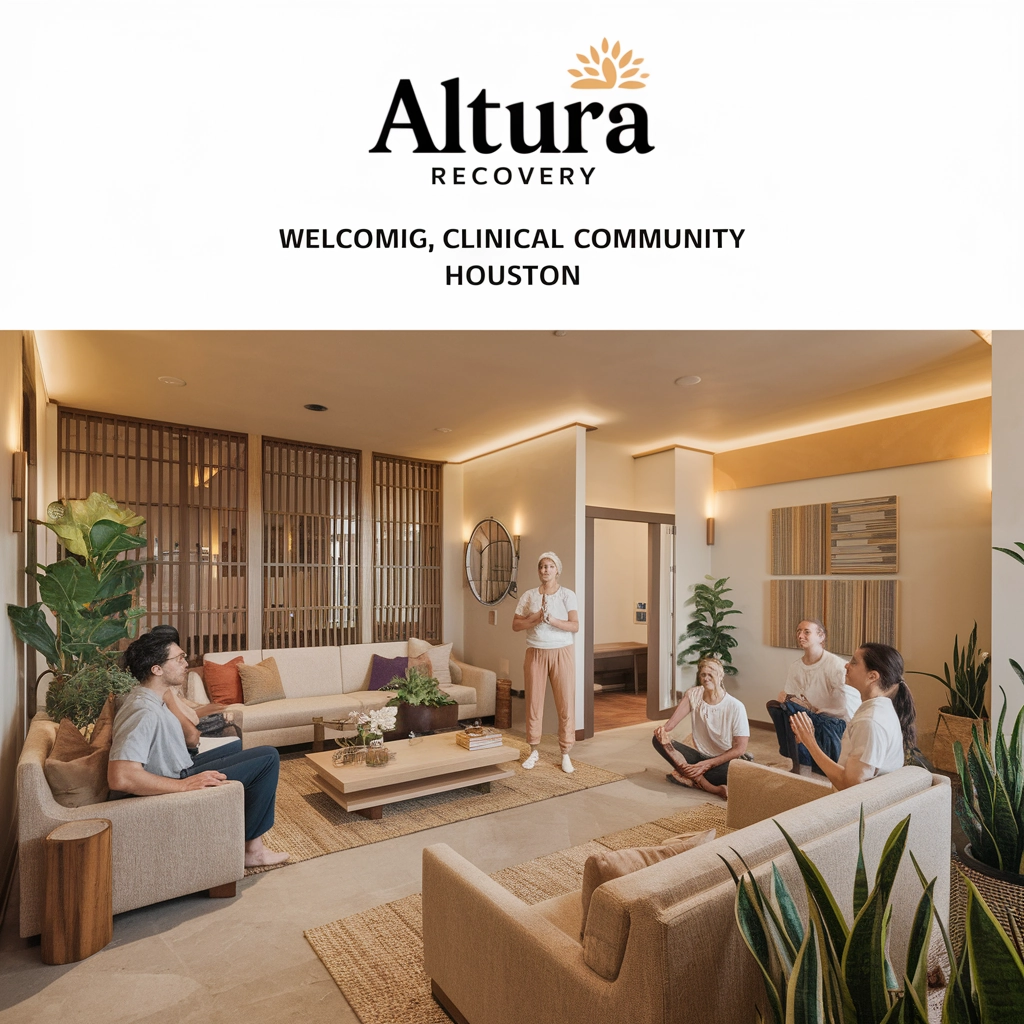
Our Houston facilities are designed to be welcoming, non-clinical environments where real connection can flourish alongside professional treatment.
Depression convinces us we should face our struggles alone, but research consistently shows that community is essential for lasting recovery. If you or someone you love is struggling with depression in the Houston area, an intensive outpatient program might provide the structured community support needed to break through isolation.
At Altura Recovery, we understand that reaching out takes courage. That’s why we offer a no-commitment, 20-minute discovery call to explore whether our community-based approach might be right for you. You can contact us anytime to schedule directly through our website.
Remember, the journey from isolation to community begins with a single connection. You don’t have to take that step alone.