
When it comes to addiction and mental health challenges, timing isn’t just important—it’s everything. The difference between intervening early versus waiting until a crisis occurs can dramatically alter someone’s recovery journey and long-term outcomes. At Altura Recovery, we’ve seen firsthand how early intervention creates more possibilities for healing and lasting change.
The concept of early intervention is backed by substantial scientific evidence. According to the National Institute on Drug Abuse, the earlier someone receives help for substance use issues, the better their chances of successful recovery. This is largely because addiction is progressive by nature—what begins as occasional use can develop into dependence and eventually addiction if left unaddressed.
Moreover, the brain’s neuroplasticity—its ability to change and adapt—makes early intervention particularly effective. Research shows that the connections in our brains remain adaptable throughout life, but patterns become more deeply ingrained over time. Therefore, addressing problematic substance use or mental health concerns before they become entrenched offers significant advantages.
One of the biggest challenges in early intervention is simply recognizing when someone needs help. Many people imagine addiction looks like the stereotypical “rock bottom” portrayed in media, but the reality is that warning signs often appear much earlier and can be quite subtle.
Some common early warning signs include:

These signs don’t necessarily mean someone has an addiction, but they warrant attention, especially when multiple indicators appear together or persist over time.
The benefits of early intervention extend far beyond immediate health concerns. According to the Substance Abuse and Mental Health Services Administration, early intervention can:
Perhaps most importantly, early intervention often means working with someone who still has strong support systems and resources intact. Family relationships, employment, housing stability, and physical health are powerful assets in recovery that can be compromised as addiction progresses.
One of the most significant barriers to early intervention is denial—both from the person struggling and sometimes from their loved ones. Many people believe they must hit some catastrophic “rock bottom” before seeking help, but this misconception can have devastating consequences.
“The idea that someone needs to ‘hit bottom’ before getting help is outdated and dangerous,” explains the American Society of Addiction Medicine. “Waiting for a crisis often means waiting until significant damage has occurred to the brain and body, relationships have been severely strained, and recovery becomes more challenging.”
Instead, approaching concerns with compassion and without judgment creates space for honest conversations. Using “I” statements to express worry rather than accusatory language can help lower defenses and open dialogues about getting help.
Families often notice changes before the individual recognizes their own problem. However, knowing how to effectively express concern can be challenging. Some helpful approaches include:

For Houston families, including those in Bellaire and West University areas, having local resources like Altura Recovery makes it easier to suggest concrete next steps when having these difficult conversations.
Early intervention doesn’t necessarily mean jumping straight into intensive treatment. Often, it begins with a professional assessment to determine what level of care would be most appropriate. This might reveal that outpatient services—like those offered at Altura Recovery—provide the right balance of support while allowing individuals to maintain their daily responsibilities.
A thorough assessment considers multiple factors, including:
This holistic approach ensures that recommendations are tailored to the individual’s specific needs rather than applying a one-size-fits-all solution.
For many people in the early stages of substance use concerns, outpatient programs offer an ideal intervention point. These programs provide professional support and structure while allowing individuals to maintain their jobs, family responsibilities, and community connections.
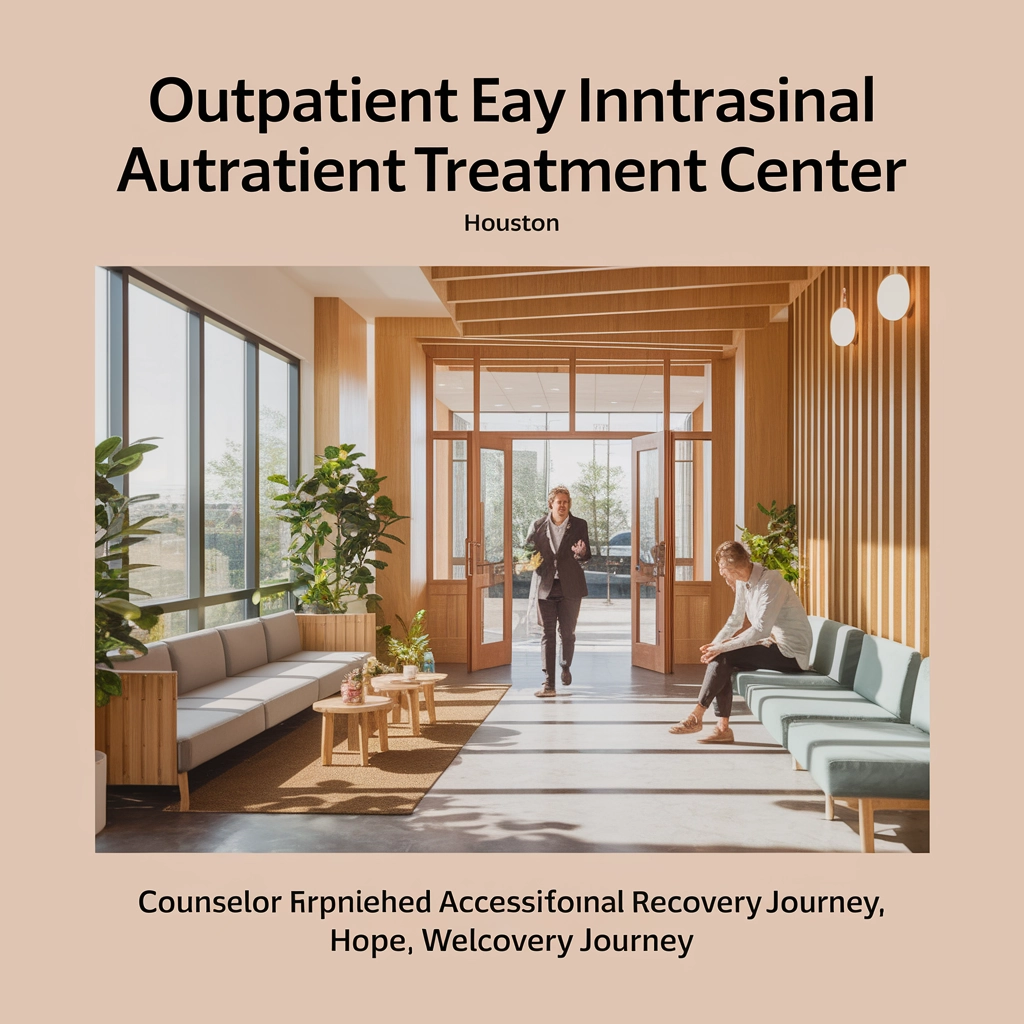
At Altura Recovery, our outpatient programs are specifically designed to meet people where they are in their journey. This makes them particularly well-suited for early intervention, when less intensive approaches can still be highly effective. Our compassionate team works closely with each client to develop personalized treatment plans that address their unique needs and circumstances.
Early intervention is especially important when substance use co-occurs with mental health conditions. According to the Journal of the American Medical Association, approximately 50% of individuals with severe mental disorders are affected by substance abuse.
Addressing both conditions simultaneously through dual diagnosis treatment significantly improves outcomes. When mental health issues like anxiety or depression go untreated, they often fuel substance use as a form of self-medication. Conversely, substance use can worsen mental health symptoms, creating a destructive cycle that becomes more difficult to break over time.
Early intervention that encompasses both substance use and mental health concerns provides the comprehensive support needed for lasting recovery.
If you’ve noticed concerning changes in yourself or someone you care about, now is the time to reach out. Early intervention doesn’t mean overreacting—it means being proactive about health and wellbeing before problems escalate.
At Altura Recovery, we understand that reaching out for help takes courage. That’s why we offer a no-pressure discovery call where you can learn more about our services and determine if they’re right for you or your loved one.
Remember, seeking help earlier rather than later isn’t just about preventing worst-case scenarios—it’s about creating the best possible foundation for long-term wellness and fulfillment. The right support at the right time can make all the difference in recovery outcomes and quality of life.
Don’t wait for a crisis to seek help. Contact Altura Recovery today to learn how our outpatient programs in Houston can support early intervention and lasting recovery.