“Nobody understands me.” This phrase echoes through countless Houston homes as parents and teenagers navigate the complex terrain of adolescence. It’s not just typical teenage angst—it’s a genuine cry for connection in an increasingly disconnected world.
Teenagers today face unprecedented challenges. Between academic pressures, social media’s constant presence, identity formation, and navigating complex relationships, the mental health burden on our youth continues to grow. In fact, recent data from the CDC reveals that nearly 1 in 5 teens experience a mental health disorder, yet only about 20% receive appropriate treatment.
The good news? Intensive outpatient programs (IOPs) are emerging as a powerful solution that meets teenagers where they are—providing the structure, support, and understanding they desperately need without removing them from their daily lives.
Why The Teenage Brain Needs More Than Traditional Therapy
Before diving into solutions, we need to understand what’s happening inside the teenage brain. The adolescent brain undergoes significant development, particularly in the prefrontal cortex—the area responsible for decision-making, impulse control, and emotional regulation. This ongoing development explains many teen behaviors that adults find perplexing.
Traditional weekly therapy sessions, while beneficial, often aren’t comprehensive enough to address the multifaceted challenges teenagers face. Many teens need more intensive support—but not necessarily hospitalization or residential treatment.
This is where intensive outpatient programs create a vital middle ground. They provide substantial therapeutic support while allowing teens to maintain their school routines, family connections, and social lives in Bellaire, West University, and throughout the Houston area.
What Exactly Is Intensive Outpatient Support for Teenagers?
Intensive outpatient programs for teens typically offer:
Multiple weekly sessions: Rather than one hour per week, teens attend several hours of therapy multiple days each week
Varied treatment modalities: Individual therapy, group therapy, family sessions, and skill-building activities
Structured yet flexible scheduling: Programs work around school hours while providing necessary structure
Community support: Teens connect with peers facing similar challenges
Professional guidance: Licensed mental health professionals specialized in adolescent development
According to the American Academy of Child & Adolescent Psychiatry, IOPs serve as a crucial step between standard outpatient therapy and more restrictive levels of care, helping teens who need more support than weekly sessions can provide.
How Intensive Outpatient Programs Help Teenagers Feel Understood
Creating Structure While Maintaining Normalcy
One of the most significant advantages of intensive outpatient support is that teens can receive substantial help while maintaining their daily routines. This balance is crucial because it allows teens to:
Continue attending school and keeping up with academics
Maintain important social connections and extracurricular activities
Practice new skills in real-world settings immediately
Sleep in their own beds and remain connected to family support
Research published in the Journal of Child and Family Studies shows that treatments allowing teens to remain in their natural environments often lead to better long-term outcomes since skills transfer more easily to daily life.
Comprehensive Therapeutic Approaches That Meet Teens Where They Are
Teenagers want to be understood on their terms—not talked down to or lectured. Effective IOPs recognize this need and incorporate:
Evidence-based therapies: Cognitive-behavioral therapy (CBT), dialectical behavior therapy (DBT), and acceptance and commitment therapy (ACT)
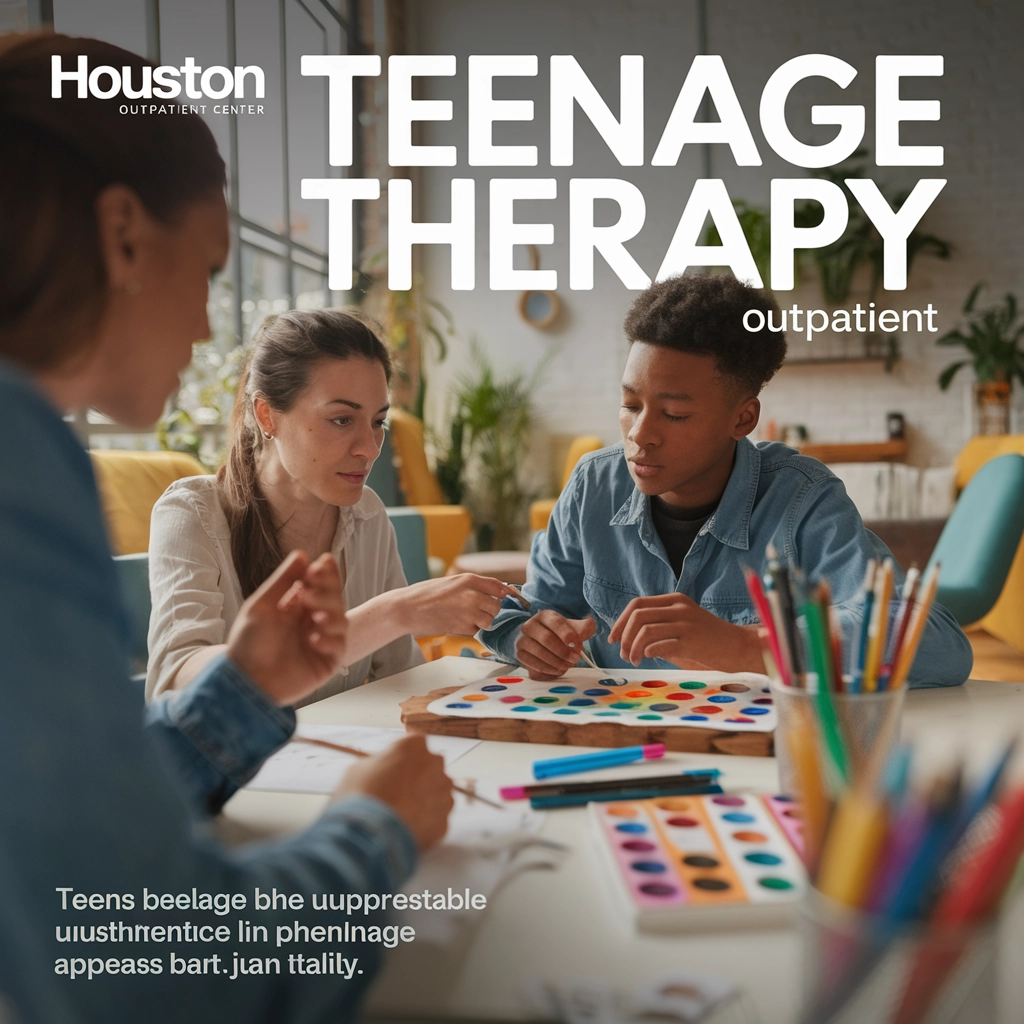
Experiential approaches: Art therapy, music therapy, and physical activity that help teens express themselves beyond words
Digital integration: Thoughtful incorporation of technology and digital tools that meet teens in their comfort zone
Skill development: Practical tools for emotional regulation, communication, and conflict resolution
Build meaningful friendships based on authenticity rather than social performance
A 16-year-old client at Altura Recovery expressed it perfectly: “For the first time, I didn’t have to pretend I was okay. Everyone here gets it, and no one judges me for having bad days.”
Customized Treatment Plans That Respect Individual Journeys
No two teenagers are alike, which is why effective IOPs create personalized treatment plans. These individualized approaches consider:
The teen’s specific mental health challenges
Personal interests and strengths
Learning style and communication preferences
Cultural background and values
Family dynamics and home environment
This personalization signals to teens that they are truly seen and respected as individuals—addressing one of their core needs to be understood on their own terms.
Clear communication channels between therapists and parents
This family-centered approach ensures that the understanding and support teens receive extends beyond the program into their home environment.
How Altura Recovery’s Approach Makes a Difference for Houston Teens
At Altura Recovery in Houston, we understand that teenagers need comprehensive support that meets them where they are. Our intensive outpatient approach for teens incorporates:
Flexible scheduling that works around school commitments for teens in Bellaire, West University, and throughout Houston
Multiple therapeutic modalities including individual therapy, group work, and family sessions
Holistic wellness components including mindfulness, nutrition guidance, and physical activity
Dual diagnosis treatment addressing both mental health and any substance use concerns
Technology integration that speaks to teens in their language
Our team specializes in creating safe spaces where teenagers feel truly heard and understood—often for the first time. We recognize that behind challenging behaviors are young people desperately seeking connection, validation, and tools to manage overwhelming emotions.
Taking the First Step Toward Understanding
If your teenager is struggling and you’re seeing signs that traditional weekly therapy isn’t providing enough support, an intensive outpatient program might be the answer you’re both looking for.
At Altura Recovery, we start with a no-pressure, 20-minute discovery call to understand your teen’s specific situation and discuss how our programs might help. We serve families throughout Houston, with convenient access for those in Bellaire, West University, and surrounding communities.
The journey toward helping your teenager feel understood and supported begins with reaching out. Contact us today to schedule your discovery call and learn more about how our intensive outpatient support can make a difference for your teen.
Remember, your teenager’s desire to be understood isn’t just a phase—it’s a fundamental human need. With the right support, this challenging time can become a foundation for growth, resilience, and lasting emotional health.
how teenagers want to be treated, adolescent outpatient programs houston, iop for adolescents houston, adolescent intensive outpatient program houston, altura mental health iop, adolescent iop programs houston
Understanding Mental Health Treatment Options for Teenagers
The mental health landscape for teenagers is complex, necessitating a nuanced understanding of available treatment options. With rising concerns about adolescent mental health, parents and guardians are increasingly seeking effective solutions that cater to their teens' unique needs. Intensive outpatient programs (IOPs) stand out as a vital resource, bridging the gap between traditional therapy and more intensive care.
IOPs offer structured support while allowing teens to maintain their daily routines, making them an ideal choice for families looking for comprehensive care. By focusing on evidence-based therapies and community support, these programs help adolescents navigate their mental health challenges in a safe and understanding environment.
The Role of Family in Adolescent Mental Health Treatment
Family involvement is crucial in the recovery process for teenagers facing mental health challenges. Engaging family members not only provides emotional support but also enhances the effectiveness of treatment plans. Programs that include family therapy sessions allow for open communication, fostering understanding and collaboration among family members.
Research shows that when families participate in their teen's treatment, outcomes improve significantly. This collaborative approach helps families learn how to support their loved ones effectively, creating a network of care that extends beyond the clinical setting.
Evidence-Based Therapies Used in Intensive Outpatient Programs
Intensive outpatient programs utilize a variety of evidence-based therapies tailored to meet the specific needs of adolescents. Among these, cognitive-behavioral therapy (CBT) and dialectical behavior therapy (DBT) are particularly effective in addressing issues such as anxiety, depression, and emotional dysregulation. These therapies equip teens with the tools to manage their thoughts and behaviors constructively.
Additionally, experiential therapies like art and music therapy offer creative outlets for self-expression, enabling teens to process their emotions in a supportive environment. By combining traditional therapeutic approaches with innovative methods, IOPs provide a holistic treatment experience that resonates with young people.
How to Choose the Right Intensive Outpatient Program for Your Teen
Selecting the right intensive outpatient program for your teenager can be a daunting task. It's essential to consider factors such as the program's approach, the qualifications of the staff, and the specific needs of your teen. Visiting potential facilities and asking questions about their treatment modalities can help ensure a good fit.
Look for programs that emphasize flexibility, community support, and individualized treatment plans. Reading reviews and testimonials from other families can also provide valuable insights into the effectiveness of a program. Ultimately, the right choice will align with your teen's unique challenges and support their journey toward recovery.