Before you even think about scouting properties or drafting a business plan, you need to get crystal clear on your purpose. Opening a sober living house isn't just a business venture; it's a mission. Your vision will be the North Star for every single decision you make, from the house rules you set to the staff you bring on board.
If you rush this part, you'll end up with a generic home that struggles to stand out and, more importantly, fails to attract the right residents who truly need what you have to offer.
A powerful mission begins with a deep understanding of the community you plan to serve. Don't guess. The real magic happens when you do the groundwork to find genuine gaps in the system.
Identifying Unmet Needs in Your Community
Your goal isn't just to be another option; it's to become an indispensable resource. To do that, you have to find out where the existing recovery ecosystem is falling short. This initial investigation is what separates a house from a home with a purpose.
Start digging with these targeted questions:
- Analyze Existing Sober Living Homes: Who are they already serving? Are they all general-population homes, or are some specialized? Look for the patterns. If you see ten homes for men and only one for women, you've likely found a major need.
- Connect with Local Treatment Providers: Get on the phone with admissions coordinators and discharge planners at local inpatient facilities, detox centers, and Intensive Outpatient Programs (IOPs). Ask them point-blank: "What kind of sober living options do your clients desperately need that you just can't find?"
- Talk to Community Stakeholders: Reach out to parole officers, social workers, and leaders at local recovery community organizations. These folks are on the front lines. They know exactly which groups are underserved, like people re-entering society from incarceration or those struggling with co-occurring mental health disorders.
This research will shine a light on specific, overlooked populations. Maybe your town has no safe recovery housing for LGBTQ+ individuals. Perhaps there isn't a single home that accommodates working professionals who need flexible curfews and a quiet space to focus on their careers.
It's a classic mistake to try and be everything to everyone. A specialized sober living house that becomes the absolute best at serving one specific group is far more impactful—and sustainable—than a general-purpose home that can't quite meet anyone's needs perfectly.
This whole process—from broad research to a focused, actionable niche—is about connecting the dots.
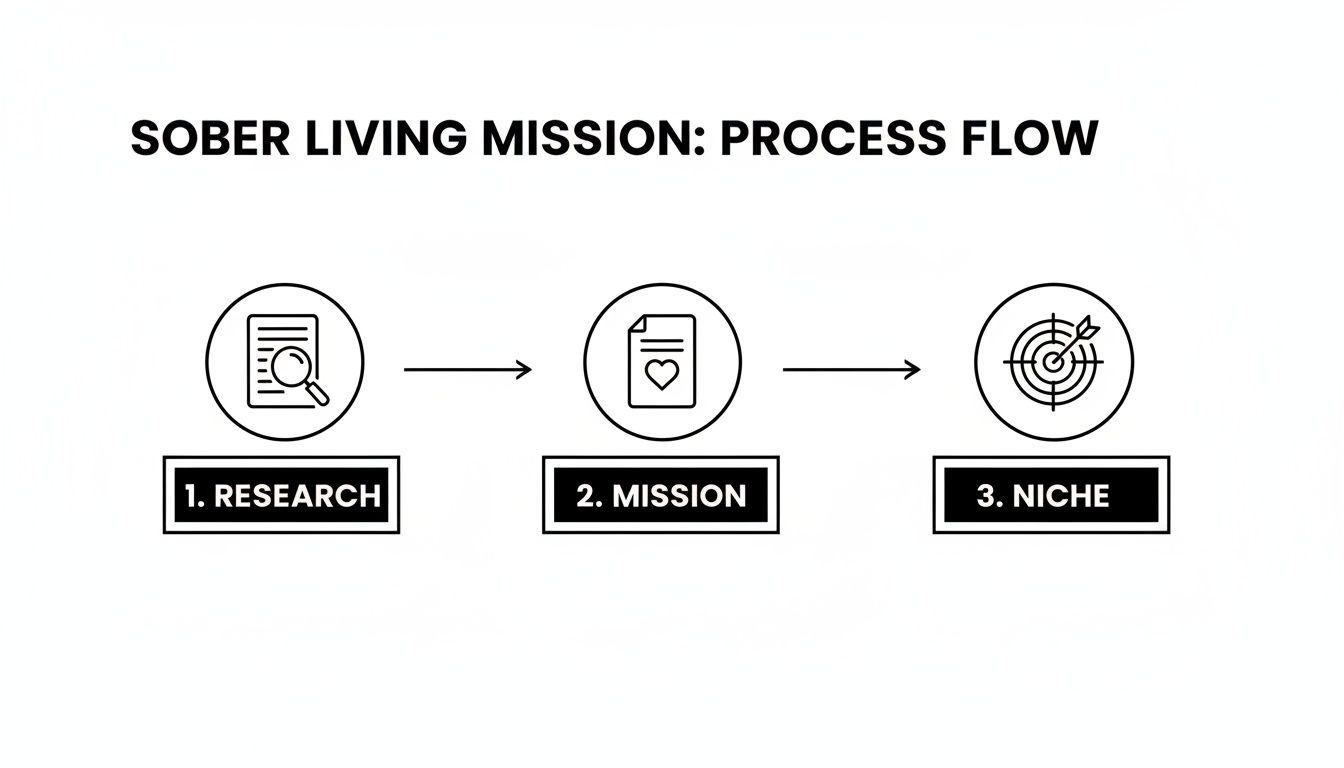
The key takeaway here is that a strong mission and a solid niche aren't just abstract ideas you pull out of thin air. They grow directly out of diligent, community-focused research.
Crafting a Powerful Mission Statement
Once you've zeroed in on a need, it's time to translate that discovery into a compelling mission statement. This isn't just a sentence you stick in a business plan. It's the soul of your organization, the guiding principle that shapes your house culture and instantly communicates your value to residents and referral partners.
A strong mission statement has to be:
- Specific: State exactly who you serve and what unique support you offer.
- Action-Oriented: Use active, powerful verbs that describe your commitment.
- Inspiring: Capture the values and hope you want to instill in every resident who walks through your door.
For instance, a generic mission like, "To provide safe sober housing," is forgettable.
Now, compare that to something focused: "To empower young adult men in early recovery by providing a structured, peer-driven community that fosters accountability, life skills, and lasting sobriety."
See the difference? That statement immediately tells a potential resident, their worried family, and a referring clinician exactly what your home is all about. It's for young men. The program is built on structure, peer support, and practical skills. That kind of clarity is what builds a successful sober living home for the long haul.
Sorting Out the Legal Side and Finding the Right Property
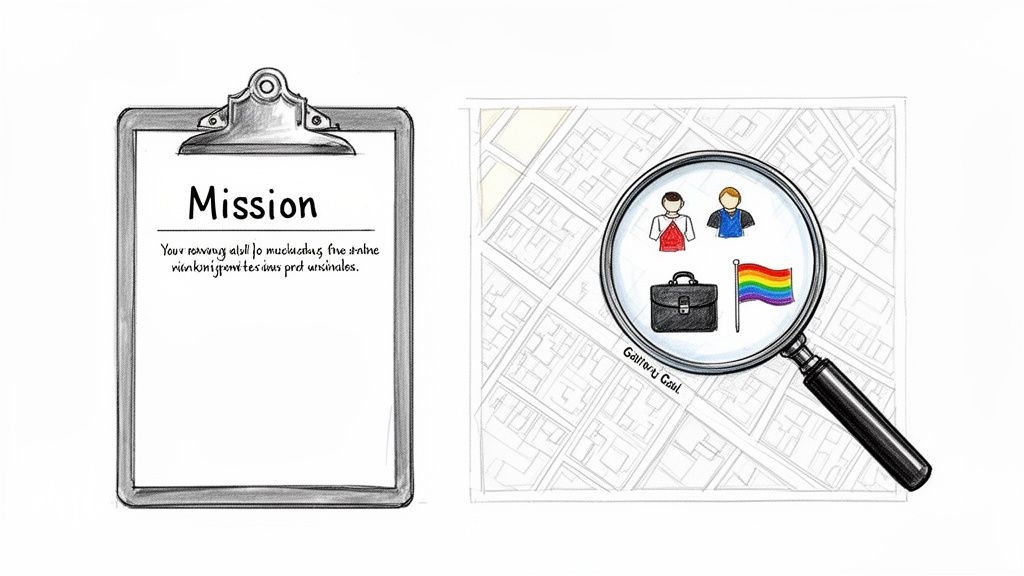
Let’s be honest: the legal side of opening a sober living home can feel like a mountain of red tape. But it’s entirely manageable when you break it down into smaller, actionable steps. This is the stage where your mission starts to take physical shape and become a real place for healing.
Your first move is to get familiar with the key federal laws that protect both your future residents and your operation. These aren’t obstacles; they’re the very foundation of an ethical, legally sound program. The two most important pieces of legislation you need to know are the Fair Housing Act (FHA) and the Americans with Disabilities Act (ADA).
Under these federal laws, people in recovery from substance use disorder are considered a protected class. This is a crucial point. It means local zoning laws can't be used to unfairly block your sober living house from opening in a residential area, and you can't be discriminated against in housing.
Understanding Federal Protections and Local Zoning
While federal laws provide a strong shield, you still have to do your homework at the local level. City and county zoning ordinances can have their own specific rules about “group homes,” sometimes including occupancy limits or spacing requirements between facilities. Don’t let this discourage you.
Start by visiting your city or county planning department’s website. Look up terms like "group home," "congregate living," or "residential care facility." If you hit a zoning rule that seems discriminatory, remember your FHA protections. You can often request a “reasonable accommodation” to waive a specific rule that prevents your residents from having an equal opportunity for housing.
It's a common misconception that sober living homes can be zoned out of residential neighborhoods. The FHA explicitly prevents this kind of discrimination. Your job is to understand the local rules so you can navigate them effectively, not be stopped by them.
For example, say a local ordinance limits the number of unrelated people in a single-family home to four, but your model needs six residents to be financially viable and create a supportive community. You could file for a reasonable accommodation, citing the FHA. This process is a standard—and necessary—part of setting up a compliant home.
Choosing the Right Property for Recovery
Once you have a handle on the legal landscape, you can move on to the exciting part: finding the perfect property. This building is more than just four walls and a roof; it’s a critical tool for recovery. The right house fosters community, ensures safety, and connects residents to essential resources.
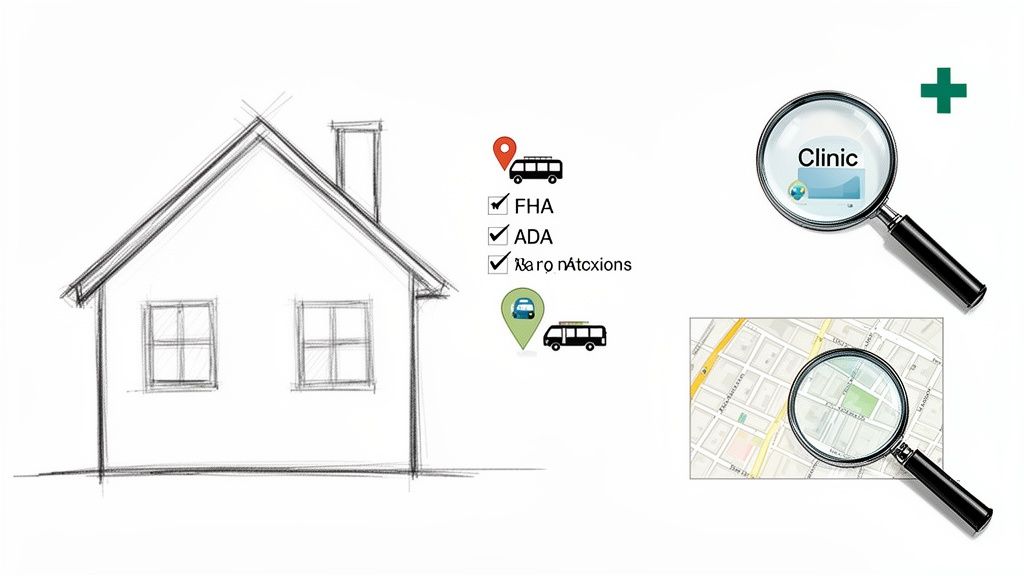
Your property search should be guided by a clear checklist of what makes a location truly supportive of sobriety. A cheap house in a remote area might look good on paper, but it could isolate residents from the very things they need to build a new life.
Here are the non-negotiables to look for:
- Accessibility to Services: Is the home on or near a public transportation route? Your residents need easy access to jobs, 12-step meetings, outpatient treatment providers (like IOP or PHP), and grocery stores.
- Neighborhood Vibe: Look for a quiet, stable, and safe neighborhood. You’ll want to avoid areas with high crime rates or obvious triggers, like a heavy concentration of bars. The goal is to create a peaceful sanctuary.
- Sufficient Space and Layout: Does the property have enough bedrooms and bathrooms to comfortably and legally house your target number of residents? A good layout will also have common areas that encourage fellowship, like a large living room or a welcoming backyard.
- Safety and Compliance: The house must meet all local building and fire safety codes. From day one, check for functional smoke detectors, fire extinguishers, and clear exit paths.
Finally, getting up to speed on your California landlord responsibilities is essential for legal compliance and smooth operations. This covers everything from maintaining a habitable environment to understanding eviction procedures. Knowing these rules upfront will save you from major headaches and ensure you’re operating as a responsible, ethical housing provider.
Developing a Sustainable Business and Financial Plan
Your passion for helping others is the fuel, but a rock-solid business plan is the engine that keeps your sober living house running. I’ve seen too many well-intentioned homes fold because they didn’t get their finances straight from the beginning. A detailed business and financial plan isn't just about spreadsheets and projections; it’s about turning your vision into a stable, lasting resource for the community.
This document is your roadmap. It's what you’ll show to banks, grant committees, or private investors to prove you’ve done your homework. To get started, you don't have to reinvent the wheel. Using a good rental property business plan template can give you a solid framework to build upon, which you can then tailor specifically to a sober living model.
Your first job is to get brutally honest about what it will take to open the doors.
Calculating Your Initial Startup Costs
Before you welcome your first resident, you’ll be facing a mountain of one-time costs. Underestimating these is one of the quickest ways to start off on the wrong foot, putting your entire operation at risk before it even begins. You have to think about everything.
It's way more than just the down payment on a house. A realistic startup budget needs to cover:
- Property Expenses: This is either the down payment and closing costs for a purchase or the first month's rent plus a hefty security deposit if you're leasing.
- Renovations and Furnishings: Think about fresh paint, any repairs, and potential accessibility upgrades. Then, you need to furnish the whole place—sturdy beds, couches that can handle daily use, kitchen essentials, and decor that makes it feel like a home, not an institution.
- Legal and Licensing Fees: Budget for registering your business, state or local certification fees, and having a lawyer look over leases or help with zoning paperwork.
- Insurance Premiums: You’ll need to make initial payments for general liability, property, and professional liability insurance policies.
- Initial Marketing and Outreach: This includes building a basic website, printing brochures, and the time it takes to network with local treatment centers to build referral pipelines.
Here’s a critical piece of advice: budget for a three- to six-month operating reserve. This cash cushion is your safety net. It covers all your monthly bills while you're working to fill beds and get cash flow positive.
Projecting a Realistic Operational Budget
Once you know what it costs to launch, you need to map out what it costs to stay open each month. This operational budget is the lifeblood of your home, detailing every recurring expense.
Get granular here. Your ongoing financial plan should account for:
- Mortgage or rent payments
- Utilities (gas, electric, water, and high-speed internet are non-negotiable)
- Insurance premiums
- Staff salaries or stipends (even a small stipend for a House Manager counts)
- Supplies (drug tests, cleaning products, toilet paper, office supplies)
- Maintenance and repair fund (something always breaks)
- Marketing and administrative costs
After you have a firm grip on your monthly expenses, you can determine your resident fees. Do some market research to see what other homes in your area are charging. You need to be competitive, but your pricing must cover your costs and allow you to build up a reserve. When forecasting revenue, be realistic. A stable, well-run home typically operates at an 80-90% occupancy rate.
Crafting this financial plan can feel daunting, but it helps to see how the numbers might look in the real world. Below is a sample breakdown to give you a starting point for building your own budget.
Sample Startup Cost and Operational Budget Breakdown
| Expense Category | Estimated Cost (Startup) | Estimated Cost (Monthly) |
|---|---|---|
| Property (Down Payment/Deposit) | $15,000 – $50,000+ | $0 |
| Renovations & Repairs | $5,000 – $20,000 | $0 |
| Furniture & Appliances | $10,000 – $25,000 | $0 |
| Legal & Licensing Fees | $1,500 – $5,000 | $0 |
| Insurance (Initial Premium) | $2,000 – $6,000 | $400 – $1,200 |
| Initial Marketing & Website | $1,000 – $3,000 | $100 – $500 |
| 3-6 Month Operating Reserve | $15,000 – $30,000 | $0 |
| Mortgage / Rent | $0 | $3,000 – $7,000 |
| Utilities (All-inclusive) | $0 | $800 – $1,500 |
| Staff Salaries / Stipends | $0 | $1,000 – $4,000 |
| Supplies (Drug Tests, Cleaning) | $500 | $300 – $600 |
| Maintenance & Repair Fund | $0 | $250 – $750 |
Remember, these are just estimates. Your actual costs will vary widely based on your location, property size, and the level of service you provide. Use this as a guide to ensure you're not missing any major categories.
Investing in a sober living house is not just a financial decision; it's a social investment with proven returns. A strong business plan demonstrates that you understand both the economic and human impact of your work.
And the data backs this up. Rigorous studies show why sober living homes are a cornerstone for long-term sobriety, making them a smart venture. A landmark trial with Oxford House, for instance, found that residents were twice as likely to remain abstinent after two years—65% vs. 31% for those in standard care. They also earned double the income and faced one-third the incarceration rates. When you pitch your plan, you're not just asking for money; you're inviting investors to be part of a solution that truly works.
Beyond the business plan and the legal paperwork lies the true heart of a successful sober living house: its culture.
This is the intangible feeling residents get the moment they walk through the door. It’s the difference between a sterile boarding house and a genuine home for recovery. A strong, supportive culture isn’t an accident; you have to build it intentionally with clear structure, consistent expectations, and a trauma-informed lens.
The foundation of that culture is a well-defined set of house rules. These aren’t meant to be punitive. Instead, they create a predictable and safe environment where everyone knows what to expect, freeing them up to focus on recovery, not on navigating fuzzy social dynamics.
Crafting Fair and Effective House Rules
Think of your house rules as the operating system for the community. To work, they must be comprehensive, easy to understand, and—most importantly—enforced consistently for everyone. Vague rules just breed confusion and resentment, so get specific.
Your rules absolutely must cover:
- A Zero-Tolerance Substance Use Policy: This is the non-negotiable cornerstone of any sober living home. Spell out the immediate consequences of a positive drug or alcohol test, including your specific discharge protocol.
- Curfew and Overnight Passes: Set clear curfew times for weekdays and weekends. Then, outline the process for requesting an overnight pass—something residents typically earn after a set period of sobriety and good standing.
- Mandatory Meeting Attendance: Specify the number of required weekly recovery meetings, whether it's AA, NA, or SMART Recovery. This reinforces the commitment to working an active program.
- Guest Policies: Define when guests are allowed, which parts of the house they can access, and if they need staff approval. For everyone's safety, overnight guests are almost universally prohibited.
- Chores and House Upkeep: A clean, orderly environment promotes mental clarity. A rotating chore schedule ensures everyone contributes to the home, fostering a real sense of personal responsibility.
Remember, the goal here is accountability, not control. Frame the rules as tools for building self-discipline and mutual respect.
Designing a Thoughtful Intake Process
The people you bring into your home will define its culture. Your intake process is the single best tool for making sure new residents are a good fit and genuinely ready for a structured life. This isn't just about filling a bed; it's about protecting the entire community you've worked so hard to build.
During the intake, you need to assess a few key things:
- Readiness for Change: Is the applicant truly motivated, or are they just going through the motions because of outside pressure? Ask about their recovery goals and what they hope to get out of their time in the house.
- Understanding of the Rules: Don't just hand them a paper. Go over the house rules in detail during the interview. Have them sign a resident agreement confirming they've read, understood, and agreed to every single rule. No surprises later.
- Clinical Needs: While you aren't providing clinical treatment, it's vital to know if they have co-occurring mental health conditions or need specific medical care. This helps you connect them with the right outpatient partners from day one.
A meticulous intake process heads off future conflicts and helps maintain the cohesive, recovery-focused dynamic you're aiming for.
A sober living house runs on mutual accountability. A single resident who isn’t committed can destabilize the entire community. Your intake process is the gatekeeper of your house culture.
Building Strong Partnerships with Clinical Providers
No sober living house is an island. Your residents need a strong connection to professional clinical care to get at the root causes of their addiction. Forging formal partnerships with local outpatient providers isn't just a good idea—it's essential for creating a complete recovery ecosystem.
Get out there and actively network with local:
- Intensive Outpatient Programs (IOPs)
- Partial Hospitalization Programs (PHPs)
- Individual therapists and psychiatrists
- Medical detox facilities
These relationships create a "warm handoff" for people stepping down from a higher level of care, making their transition into your home seamless. When clinicians trust you to provide a safe, structured environment, they become your primary source of resident referrals.
This professional network is crucial for anyone learning how to start a sober living house that's built to last. It signals to the community that you are a serious, professional operator committed to evidence-based recovery.
Hiring Your Team and Marketing Your Home
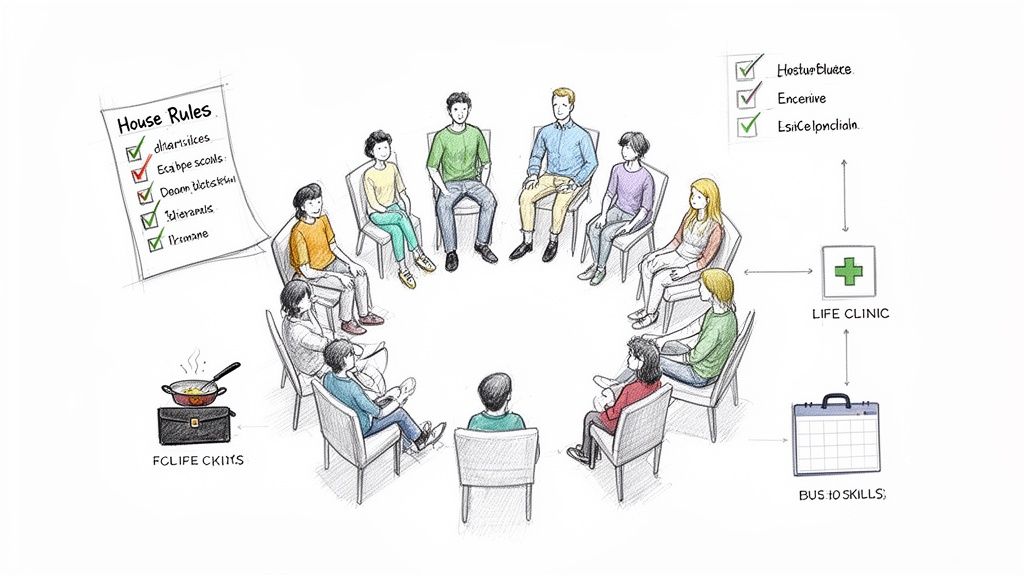
Once your facility and finances are squared away, it’s time to focus on what truly makes a sober living house a home: the people. Your staff will shape the culture, and your marketing will bring in the residents who need your support. Getting these two pieces right is absolutely critical for building a community where recovery can flourish.
Think of your team as the heart of your operation. They're the ones on the ground every day, upholding the rules, offering a compassionate ear, and modeling what healthy recovery looks like. In my experience, the best staff members are those who blend professionalism with genuine empathy—often because they've walked this path themselves.
Assembling a Compassionate and Capable Team
Your first and most important hire will almost always be the House Manager. This person is your eyes and ears on the ground, handling everything from daily operations and resident accountability to mediating the inevitable conflicts. A great House Manager is firm but fair, knows how to listen, and has a rock-solid personal recovery program.
Beyond the manager, you'll want to think about hiring Peer Support Specialists. These are people who use their own recovery journey to guide and inspire others. They offer a powerful, relatable layer of support that can connect with residents in a way that even a clinical professional sometimes can't.
When you're looking to fill these roles, here are the non-negotiables:
- Significant Sobriety Time: I always look for candidates with at least one to two years of stable, continuous sobriety. They need a strong foundation to handle the stress of the job without risking their own recovery.
- Knowledge of Recovery Pathways: Your residents will come from all walks of life. Your staff should be familiar with different models like 12-Step programs, SMART Recovery, or other evidence-based approaches.
- Strong Interpersonal Skills: You need people who can de-escalate a tense situation, communicate clearly, and set healthy boundaries. This is key.
- CPR and First Aid Certification: This is an absolute must-have. Resident safety is paramount, and you need staff who can respond effectively in a medical emergency.
Hiring staff with lived experience can be a tremendous asset, but it requires clear professional boundaries. Ensure your training emphasizes the difference between being a peer and being a friend to maintain a safe and ethical environment for everyone.
To help you get started, here's a quick look at the core roles you'll need to fill as you build your sober living program.
Key Staff Roles and Responsibilities
This table breaks down the essential positions, their core duties, and the qualifications I've found to be most important for success.
| Role | Primary Responsibilities | Essential Qualifications |
|---|---|---|
| House Manager | Enforces rules, facilitates house meetings, manages resident intake, resolves conflicts. | 1-2+ years of sobriety, leadership skills, knowledge of house policies. |
| Peer Support Specialist | Provides one-on-one mentoring, helps residents navigate resources, shares recovery experience. | Lived experience, state certification (if applicable), strong empathy. |
| Program Director (Optional) | Oversees multiple homes, manages staff, develops community partnerships, ensures compliance. | Administrative experience, deep knowledge of recovery housing standards. |
Having these roles clearly defined from the start will save you countless headaches and ensure everyone knows what's expected of them.
Marketing Your Home and Building Referral Networks
With a solid team in place, you need to get the word out that you're ready to help. Forget splashy advertising; your marketing should be all about building trusted relationships with key referral sources. These professional connections are what will provide a steady stream of residents who are a good fit for your home.
First things first, get a simple, professional website up. It should clearly state your mission, who you serve, your house rules, and your fees. High-quality photos of the home and a few testimonials from early residents (with their permission, of course) can make a huge difference.
But the real work happens offline. You need to get out there and personally connect with the gatekeepers of your local recovery ecosystem.
These are the partners you can't live without:
- Admissions and discharge planners at local inpatient treatment centers and detox facilities.
- Case managers and social workers at hospitals.
- Therapists and counselors in private practice.
- Probation and parole officers looking for structured housing for their clients.
When you meet with these folks, don't show up empty-handed. Bring a packet with information about your home. Be ready to explain what makes you unique. Do you serve working professionals? The LGBTQ+ community? Make sure they know what sets you apart. Building these personal relationships is the single most effective way to keep your beds full with people who are truly ready for the next step in their recovery.
Common Questions About Opening a Sober Living House
When you get serious about opening a sober living home, the big-picture vision quickly gives way to brass-tacks questions. It's one thing to want to create a safe space for recovery; it's another to figure out startup costs, insurance policies, and licensing rules.
Let's walk through the most common questions I hear from aspiring operators. Getting these details right from the start can be the difference between a sustainable program and a stressful, short-lived one.
How Much Does It Cost to Start a Sober Living House?
There’s no magic number here, as costs swing wildly based on your city’s real estate market and whether you rent or buy. But you absolutely need to be prepared for a significant upfront investment.
A realistic startup budget usually lands somewhere between $25,000 and $100,000. That's a huge range, I know, but it covers a few non-negotiable, one-time expenses:
- Getting the Keys: This is your biggest ticket item—either a down payment on a property or the first month’s rent plus a hefty security deposit.
- Furnishings and Supplies: You're not just buying a few beds. You need durable furniture for every room, kitchen appliances, and all the initial household goods, from cleaning supplies to coffee makers.
- Legal & Licensing Fees: Don't forget to budget for business registration, state or local certifications, and maybe a few hours with a lawyer to review your lease or operating agreement.
- Insurance Down Payments: Your commercial insurance policies will require a chunk of the premium upfront before coverage kicks in.
- Your Operating Cushion: This is critical. You need enough cash in the bank to cover at least three to six months of all expenses. This is your safety net to pay the mortgage, utilities, and staff while you slowly fill your beds.
What Kind of Insurance Do I Need for a Sober Living Home?
Let me be clear: your standard homeowner's policy won't cut it. It offers zero protection for this kind of operation. Good insurance is the bedrock of a responsible sober living home—it protects you, your staff, your property, and most importantly, your residents.
You'll need a specialized commercial policy package. Your best bet is to find an insurance broker who has actually worked with recovery residences before. They'll know exactly what you need.
Make sure your package includes:
- General Liability Insurance: This is your slip-and-fall coverage. It protects you if an accident or injury happens on your property.
- Professional Liability (E&O): Also known as Errors & Omissions, this is crucial. It protects you from claims related to the guidance and peer support you provide.
- Property Insurance: This covers the building itself and everything inside it from disasters like a fire, flood, or major storm.
A policy that many new operators miss is non-owned auto insurance. If your house manager or a resident uses their own car to drive others to a 12-step meeting or a job interview, this policy provides liability protection for your organization in case of an accident. It's a must-have.
How Do Sober Living Houses Generate Revenue?
The financial engine of a sober living house is simple: monthly resident fees. These fees cover everything—rent, utilities, house supplies, drug testing, and the administrative costs of running the home.
But making the model sustainable comes down to a few key disciplines. First, you have to keep your beds full. A healthy occupancy rate is between 80% and 90%; anything less and you'll struggle to cover your fixed costs. Second, you have to manage your expenses without cutting corners on safety or the quality of the living environment.
Finally, your pricing has to hit a sweet spot. The fees need to be competitive for your local market but also high enough to cover all your costs and leave a small margin. That margin isn't just profit—it's what you reinvest to maintain the property, improve amenities, and build a stronger program over time.
Do I Need a Clinical License to Open a Sober Living House?
Generally, no—and this is one of the most important distinctions to understand. Sober living homes are, by definition, non-clinical. You are providing safe, structured, peer-supported housing. You are not providing treatment.
It is absolutely vital that you do not offer any medical or clinical services. This means no therapy sessions, no psychiatric consults, and no medication distribution unless you and your facility are separately licensed by the state to provide those specific services. Crossing that line is a massive legal and ethical risk.
The proven model is to build partnerships with licensed outpatient providers. You provide the supportive home environment, and they provide the clinical care like an IOP or PHP program. This collaboration creates a powerful continuum of care where everyone stays in their lane, giving residents the comprehensive support they need to succeed.
Navigating the complexities of addiction recovery requires a strong, supportive network. At Altura Recovery, we specialize in providing the evidence-based outpatient care that residents of sober living homes need to thrive. Our IOP, PHP, and supportive outpatient programs in Houston offer a seamless clinical partnership for your residents, ensuring they receive the expert mental health and addiction treatment necessary for long-term sobriety. We work closely with recovery residences to create a continuum of care that fosters real healing and lasting freedom. Learn more about our comprehensive services and how we can support your mission at https://www.alturarecovery.com.