When you hear “holistic treatment,” what comes to mind? For many, it conjures images of yoga retreats and green juice. While those things can be part of the picture, a true holistic approach to addiction recovery is much deeper and more scientific. It’s a philosophy of care that sees you as a whole person—not just a collection of symptoms.
This approach combines proven, evidence-based methods with complementary practices that support your physical, mental, emotional, and spiritual health. The goal isn’t to replace core clinical care but to wrap it in a layer of support that builds a rock-solid foundation for a life free from addiction. It’s about getting to the root causes, not just mowing down the weeds.
Healing the Whole Person, Not Just the Symptoms
Think of addiction recovery like tending a garden. You can’t just pull one weed and expect everything else to thrive. You also have to nurture the soil (your body), make sure there’s enough sunlight (your mind), and provide water (your spirit). That’s the core of holistic treatment—it recognizes that every part of you is interconnected.
This integrated model brings together essential clinical methods, like cognitive-behavioral therapy (CBT), with practices designed to boost your total well-being. By doing this, it moves beyond the narrow focus of simply managing symptoms. Instead, it aims to heal the underlying issues that often fuel substance use, like trauma, chronic stress, or a deep lack of connection.
A Deeper Approach to Recovery
Unlike conventional models that might zero in on the psychological gears of addiction, a holistic framework understands that your physical health, emotional state, and sense of purpose are just as critical. It’s about treating the entire system to create lasting change.
This comprehensive model is gaining serious traction, and you can see it in the industry's growth. The global addiction treatment market is projected to climb from $9.44 billion in 2024 to $16.22 billion by 2034. That boom reflects a growing demand for effective, well-rounded care that actually works.
A central piece of holistic treatment is strengthening the link between your mind and body through practical mind-body connection exercises. This often includes things like:
- Mindfulness and Meditation: These practices are fantastic for calming the nervous system. They help you build awareness of your triggers without judging yourself for having them.
- Nutritional Therapy: Repairing the body with proper nutrition can do wonders for stabilizing moods and sharpening your thinking.
- Yoga and Movement: Sometimes, words aren't enough. These activities help release stored physical tension and process emotions that can get stuck in the body.
By treating the individual as a whole, holistic care provides the tools not just to stop using substances, but to build a genuinely fulfilling and balanced life in recovery.
The table below breaks down the key differences between a conventional and holistic focus. It helps clarify how the two approaches, while both valuable, look at recovery through different lenses.
Conventional vs Holistic Addiction Treatment Approaches
| Aspect | Conventional Treatment Focus | Holistic Treatment Focus |
|---|---|---|
| Primary Goal | Symptom management and sobriety | Whole-person healing and overall well-being |
| Core Methods | Primarily psychotherapy and medication | Integrates psychotherapy with mind-body practices |
| Scope of Care | Concentrates on psychological and behavioral patterns | Addresses physical, emotional, mental, and spiritual health |
| Patient Role | Follows a structured clinical path | Actively co-creates a personalized wellness plan |
Ultimately, a holistic model doesn't see sobriety as the finish line. It sees sobriety as the starting line for a healthier, more connected, and more meaningful life.
The Three Pillars of Holistic Recovery
A truly effective holistic approach to addiction isn't about throwing random wellness activities at a problem. It’s a carefully structured framework built on three interconnected pillars that support your entire being. Think of it like building a sturdy, three-legged stool; if one leg is weak or missing, the whole thing wobbles. Recovery is no different.
To create real, lasting change, treatment has to address your mind, your body, and your inner sense of self—all at the same time. Ignoring any one of these areas leaves you vulnerable, making a return to old patterns far more likely. By nurturing all three, we build a powerful and resilient foundation for a life filled with purpose and well-being.
This diagram shows how a person's healing is held up by these three core elements.
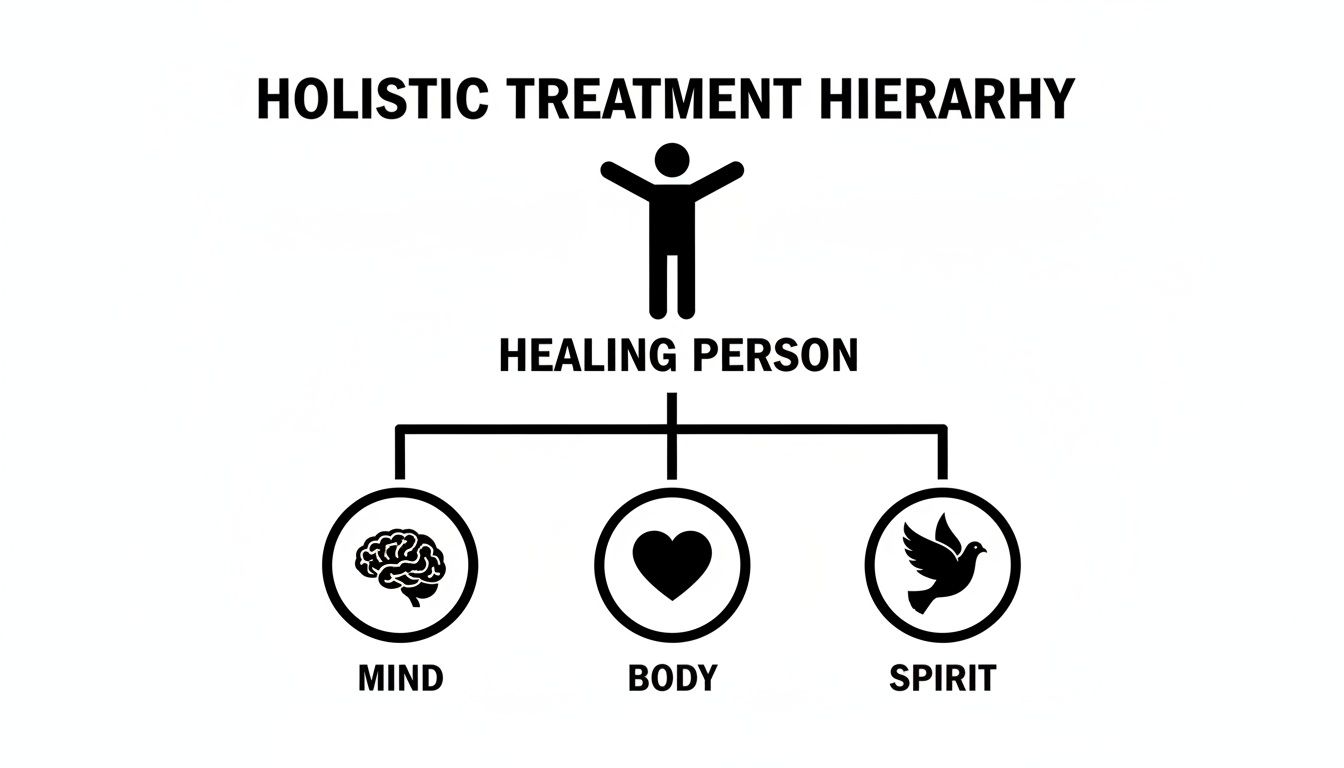
As you can see, total healing depends on keeping these supports in balance.
Pillar 1: Psychological Healing
The first pillar is Psychological Healing, which is all about rewiring the thought patterns and behaviors that drive substance use. Addiction is very often a way to cope with underlying mental and emotional pain. This is where we use evidence-based therapies to get to the root of those challenges.
Clinicians use powerful tools to help you build self-awareness and find healthier ways to respond to stress. These methods are the absolute bedrock of modern addiction care.
- Cognitive-Behavioral Therapy (CBT): This helps you spot and challenge the negative thought cycles that lead straight to substance use. For instance, you might learn to reframe an all-or-nothing thought like "I failed today" into something more balanced, like "I had a tough moment, but I can get back on track."
- Dialectical Behavior Therapy (DBT): This therapy is a game-changer for managing intense emotions and navigating relationships. You learn practical, real-world skills in distress tolerance and emotional regulation.
By diving into these therapies, you aren't just told to "stop using"—you’re handed a mental toolkit to understand your triggers, manage cravings, and build a completely new way of thinking.
Pillar 2: Physical Wellness
The second pillar, Physical Wellness, acknowledges the massive toll that addiction takes on the body. Chronic substance use disrupts everything from brain chemistry and hormone levels to sleep cycles and organ function. You simply can't build a healthy mind in an unhealthy body.
This pillar is dedicated to restoring your physical health, which has a direct and immediate impact on your mood, energy, and ability to think clearly. Think of it as giving your body the raw materials it needs to start healing from the inside out.
A well-nourished and physically active body isn't just a nice side effect of recovery; it's a core component. Restoring physical health can dramatically reduce cravings and stabilize moods, making all the psychological work much more effective.
Key parts of this pillar include:
- Nutritional Counseling: Working with a specialist to create a diet that repairs organ damage, rebalances crucial neurotransmitters like serotonin and dopamine, and cools inflammation.
- Targeted Exercise: Regular physical activity is a natural antidepressant and anti-anxiety tool. It unleashes endorphins, dials down stress hormones like cortisol, and helps bring back healthy sleep patterns.
- Sleep Hygiene: Learning to re-establish a consistent and restorative sleep schedule is absolutely vital for brain health and emotional stability.
Pillar 3: Emotional and Spiritual Connection
The final pillar is Emotional and Spiritual Connection. This is arguably the most personal part of holistic treatment. Addiction almost always creates a profound sense of disconnection—from yourself, from others, and from any sense of meaning or purpose in life.
This pillar helps you rebuild that inner wiring and find a reason to stay sober that goes deeper than just avoiding bad consequences. It’s about discovering what makes life feel rich, full, and genuinely worth living.
And no, this doesn't have to mean religion. For many, spirituality is about connecting with nature, tapping into creativity, finding community, or living by a set of core values. Practices that support this pillar often include:
- Mindfulness and Meditation: These teach you to observe your thoughts and feelings without being swept away by them, building a quiet strength and resilience from within.
- Yoga and Somatic Therapies: These methods help you process emotions and trauma that might be physically "stuck" in the body, creating a much stronger mind-body connection.
- Purpose-Driven Activities: Getting involved in art, music, volunteering, or other meaningful pursuits helps you build a new identity—one rooted in positive action and contribution.
By weaving these three pillars together, a holistic approach creates a comprehensive support system that nurtures a more sustainable, fulfilling, and authentic recovery.
How Holistic Methods Enhance Outpatient Programs
Holistic treatment isn’t some separate, alternative path you take instead of proven recovery methods. Far from it. The real magic happens when these powerful tools are woven directly into the fabric of evidence-based outpatient programs like a Partial Hospitalization Program (PHP) or an Intensive Outpatient Program (IOP).
This integration is where deep, lasting healing begins. It bridges the gap between understanding your addiction in your head and learning to manage it in your body.
Think of it like building a bridge. Clinical therapies like CBT and DBT are the steel framework—the sound engineering that makes the structure reliable and strong. Holistic practices, on the other hand, are the concrete, asphalt, and support cables that make the bridge usable day-to-day, helping it stand up to traffic and weather. One without the other is an unfinished project.
When these two sides work together, recovery becomes a much more dynamic and responsive process. You're not just talking about addiction in a detached, academic way; you're actively engaging with it on a physical and emotional level, building the real-world skills you need to navigate life without substances.
Connecting Talk Therapy to Lived Experience
The true power of this integrated approach is how it connects the abstract concepts from therapy to tangible, physical experiences. It’s what turns recovery from a purely mental exercise into a whole-body process of healing and self-regulation.
Let’s walk through a common scenario in an IOP. In your morning group therapy, you talk through a tough craving that hit you over the weekend. You break down the trigger, the emotions that came with it, and the old thought patterns that started running. This is crucial clinical work—identifying and understanding the "why."
Then, later that afternoon, you join a trauma-informed yoga class. The instructor guides you through poses designed to release tension stored in the body. As you breathe and move, you might notice tightness in your shoulders or a knot in your stomach—the very same physical feelings that showed up with that craving. Here, you learn to breathe through that discomfort, teaching your body that it can tolerate and move past the physical side of a trigger without needing a substance to escape it.
The goal is to create a seamless feedback loop. Clinical therapy gives you the "why" behind your addiction, while holistic practices offer the "how" for managing it in the moment. This synergy makes your recovery stronger, more personal, and far more sustainable.
This process arms you with practical tools you can actually use when you walk out the door. The next time a similar trigger pops up in your daily life, you have more than just an intellectual concept to rely on—you have a tangible skill, like a breathing technique or a mindfulness exercise, to manage the physical and emotional surge.
Building Skills for Real-World Scenarios
A well-designed holistic program doesn't just offer random wellness activities; it strategically equips you with a versatile toolkit for self-regulation. It recognizes that recovery doesn’t only happen in a therapist's office. It happens at home, at work, and in social situations where triggers are unpredictable.
Here’s how the different pieces work together in a structured outpatient setting:
- Individual Therapy & Mindfulness: In a one-on-one session, your therapist might help you identify social anxiety as a major trigger. In a later mindfulness group, you'd practice specific meditations to ground yourself when those anxious feelings come up, giving you an immediate, actionable response.
- Group Counseling & Nutritional Education: A group discussion might reveal that many clients feel intense cravings when they're tired and hungry. A nutritional workshop could then teach the group how to plan meals that stabilize blood sugar and mood, directly reducing that physical vulnerability to relapse.
- Family Systems Therapy & Somatic Work: Family therapy can bring deep-seated emotional wounds to the surface. Somatic therapies, like EMDR or even therapeutic massage, can then help process the trauma associated with those wounds that gets stored in the body, offering a release that talk therapy alone might not achieve.
This integrated model ensures that every part of the program is pulling in the same direction. The structure of outpatient care provides the clinical foundation, while holistic treatment for addiction provides the practical, personalized skills needed to make it stick.
This combination empowers you not just to stop using substances, but to build a life where you have the confidence and ability to navigate its challenges in a healthy, centered way.
Exploring Key Holistic Therapies in Recovery
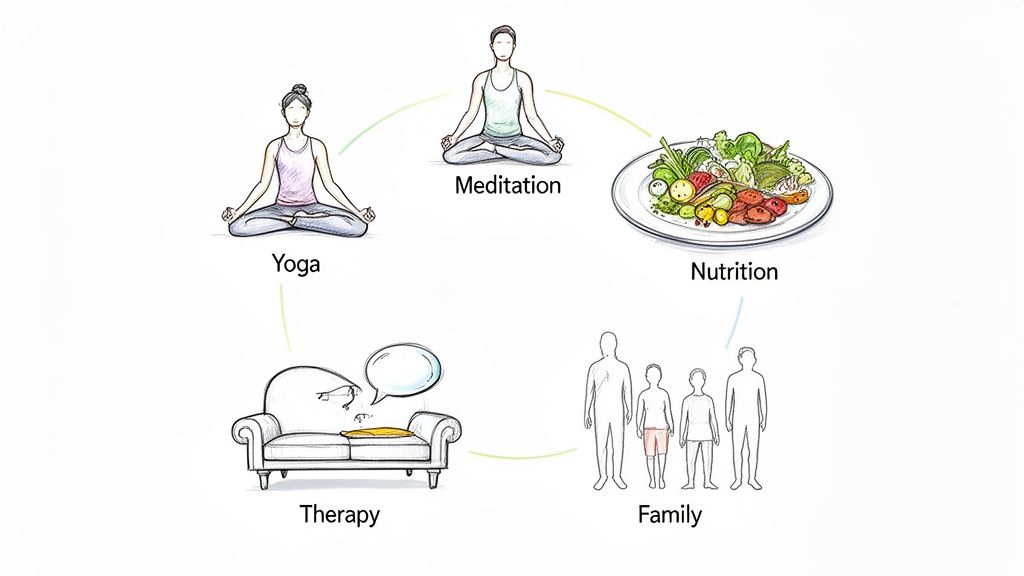
A holistic program isn't just a single action; it's a collection of specific, targeted therapies designed to heal different parts of you. These aren't fluffy "add-ons." They are powerful tools that work hand-in-hand with clinical counseling to build a sturdy, multi-layered foundation for lasting recovery.
Let's break down some of the most effective therapies to see exactly how they help you heal. Each one brings something unique to the table, and when combined, they create a truly comprehensive approach to overcoming addiction.
Mindfulness And Meditation For Cravings Management
Mindfulness and meditation are much more than simple relaxation tricks. Think of them as practical skills training for your brain, teaching you to observe thoughts and feelings without having to act on them immediately. This is a complete game-changer when it comes to managing cravings.
Instead of getting swept away by the intense urge to use, mindfulness helps you hit the pause button. You learn to recognize a craving for what it is: a temporary wave of thought and physical sensation. This creates a critical gap between impulse and action, giving you the power to choose a healthier response.
By learning to sit with discomfort, you build emotional resilience. This skill is vital, as it empowers you to navigate triggers in the real world without feeling like your only option is to escape through substance use.
Somatic Therapies To Reconnect Mind And Body
Addiction often creates a deep rift between a person and their own body. Somatic therapies, like trauma-informed yoga, are specifically designed to repair this connection. "Somatic" simply means "related to the body," and these practices help you process emotions and trauma that have become physically stored in your system.
Sometimes, words aren't enough to process difficult experiences. Yoga, therapeutic movement, and targeted breathing exercises provide a non-verbal way to release stored tension, anxiety, and fear.
- Trauma-Informed Yoga: This practice isn't about pretzel poses. It focuses on safety, personal choice, and gentle movement to help calm a hyper-vigilant nervous system and rebuild trust in your own body.
- Deep Breathing Exercises: These simple techniques directly activate the body’s relaxation response, lowering stress hormones like cortisol and bringing a sense of calm.
Through these practices, you learn to listen to your body’s signals again, turning it from a source of pain into a trusted ally in your recovery.
Nutritional Counseling To Repair And Rebalance
Chronic substance use takes a massive toll on physical health. It can deplete essential nutrients, disrupt your brain chemistry, and damage vital organs. Nutritional counseling is a core part of holistic treatment for addiction because it focuses on repairing this damage from the inside out.
A nutrition specialist helps you create a diet that actively supports your recovery. For example, eating whole foods rich in amino acids can help your brain rebuild neurotransmitters like dopamine and serotonin, which are critical for mood stability. It's not about a perfect diet; it's about giving your body the raw materials it needs to heal, which directly supports your mental and emotional strength.
Family Systems Therapy For Relational Healing
Addiction rarely happens in a vacuum. It profoundly impacts family dynamics, and often, those same dynamics can unknowingly fuel the cycle of substance use. Family Systems Therapy tackles this by treating the family as a single, interconnected emotional unit.
This therapy isn't about placing blame. It’s about helping everyone involved understand their roles, learn to communicate better, and heal the relational wounds caused by addiction. The goal is to create a healthier, more supportive home environment for everyone.
Common goals include:
- Establishing Healthy Boundaries: Learning how to support a loved one without enabling destructive behaviors.
- Improving Communication: Developing skills to express needs and feelings constructively, without conflict.
- Healing Collective Trauma: Addressing the pain and mistrust that addiction has inflicted on the entire family.
Holistic therapies provide targeted support for the physical, emotional, and relational challenges that come with addiction. The table below summarizes how some of the most common modalities directly benefit the recovery process.
| Benefits of Key Holistic Modalities in Addiction Recovery | ||
|---|---|---|
| Holistic Modality | Primary Focus | Key Recovery Benefit |
| Mindfulness & Meditation | Mental clarity & awareness | Reduces craving intensity and improves impulse control. |
| Trauma-Informed Yoga | Mind-body connection & safety | Calms the nervous system and releases stored trauma. |
| Nutritional Counseling | Physical repair & brain health | Stabilizes mood and energy by restoring nutrient balance. |
| Family Systems Therapy | Relational dynamics & support | Heals family wounds and builds a supportive home environment. |
By integrating these practices, a treatment plan becomes far more robust, addressing the root causes of addiction, not just the symptoms.
Additional Modalities For Well-Rounded Care
Beyond these core therapies, a truly comprehensive holistic program will often include other valuable practices. Aromatherapy, for example, is widely used to support emotional well-being. This helpful guide to essential oils for aromatherapy explains how scents like lavender can promote calm while citrus oils can uplift your mood.
Other effective practices like acupuncture can help alleviate withdrawal symptoms and reduce cravings, while art and music therapy provide powerful creative outlets for expressing complex emotions that are hard to put into words. Each modality adds another layer of support, creating a rich and personalized treatment experience that nurtures every part of you.
What to Expect on Your Holistic Healing Journey
Stepping into a holistic treatment program is a deeply personal, collaborative experience. It's a journey that honors your unique story, moving beyond just the symptoms of addiction to understand you as a whole person. The entire process is designed to be empowering, not prescriptive—you're in the driver's seat of your own healing.
It all begins with a comprehensive assessment. This isn’t just a checklist of symptoms; it’s a real conversation that goes much deeper than your history with substance use. We want to understand your lifestyle, your relationships, your personal aspirations, and the unique stressors you face. This conversation becomes the blueprint for your recovery.
From there, we work with you to co-create a treatment plan that feels authentic. This isn't a one-size-fits-all agenda handed down from on high. It’s a living document that blends evidence-based therapies with holistic practices that actually resonate with your personal goals.
The Foundation of Your Treatment Plan
Your journey starts by building a solid foundation. The first phase is all about understanding your specific needs and establishing a strong therapeutic alliance with our team. This is a critical first step in any effective holistic treatment for addiction.
This initial stage includes:
- A Detailed Clinical Assessment: A licensed clinician conducts a thorough evaluation to understand your substance use history, mental health, and any co-occurring conditions that need attention.
- Personal Goal Setting: We work together to define what a successful recovery looks like for you. Your aspirations—whether they involve family, career, or personal growth—become the North Star of your treatment.
- Introduction to Core Therapies: You’ll get familiar with the foundational clinical and holistic modalities that will form the core of your program, making sure you feel comfortable and informed right from the start.
This collaborative approach ensures your treatment plan isn't something that happens to you, but something you actively help build.
The most effective healing happens in a compassionate, empowering environment where you are seen, heard, and respected as an individual. The goal is to build trust and create a safe space for you to explore the root causes of addiction.
A Look at a Typical Treatment Week
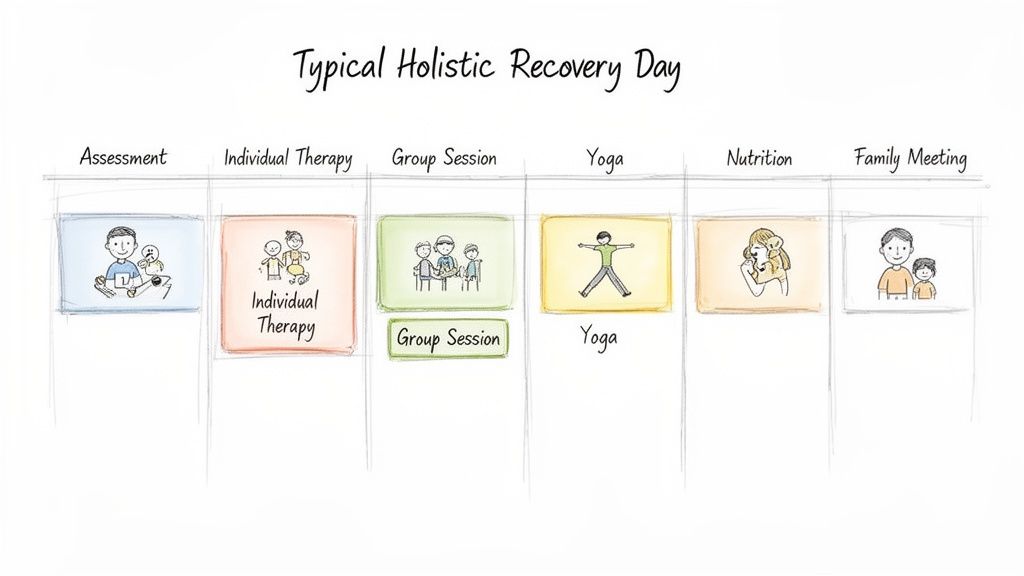
So, what does this actually look like day to day? A typical week in an outpatient holistic program is a balanced blend of structured clinical work and supportive mind-body practices. It's designed to fit into your life, not pull you out of it.
Your schedule will likely feature a mix of individual and group sessions, with each serving a distinct purpose in your recovery.
- Individual Therapy: These one-on-one sessions with your primary therapist are where you’ll work on core issues, process emotions, and track progress toward your goals.
- Group Therapy Sessions: Small, professionally-led groups provide a space to connect with peers, share experiences, and learn from others in a supportive setting. Topics often cover things like relapse prevention, emotional regulation, and communication skills.
- Holistic Activities: These sessions bring the mind-body connection to life. You might participate in trauma-informed yoga, guided meditation, or workshops on nutrition for recovery.
- Family Involvement: Healing is a team sport. Many programs include family therapy sessions or educational workshops to help repair relationships and build a strong, reliable support system at home.
This structure provides the clinical rigor needed for effective treatment while offering the flexibility and personal support that make holistic care so powerful. It's a journey of self-discovery, designed to equip you with the tools and resilience needed for lasting freedom.
Choosing the Right Holistic Treatment Center
Finding a program that actually clicks with your needs is the single most important step you'll take. With so many options out there, it’s easy to feel overwhelmed. The key is to look past the marketing and find a center that provides a genuine blend of rock-solid clinical care and supportive holistic practices, ensuring your treatment is both effective and deeply personal.
A quality center doesn’t just offer yoga on Tuesdays and call it holistic. Instead, you’ll see these practices thoughtfully woven into a structured, evidence-based framework. Your recovery should be guided by licensed professionals who know how to build a personalized plan that addresses your specific history, challenges, and goals. That’s the real hallmark of a reputable holistic treatment for addiction.
Key Questions to Ask Potential Providers
To make a confident decision, you need to ask the right questions. This isn't about finding a "perfect" center, but about finding the perfect fit for you. Use this checklist to guide your conversations and get a feel for how different providers really operate.
- How do you integrate clinical and holistic care? A strong program should be able to give you a clear, practical example of how therapies like CBT or EMDR work alongside mindfulness or somatic work to support your recovery goals. It shouldn't feel like two separate menus.
- Are your therapists licensed and trained in trauma-informed practices? This one is non-negotiable. Make sure the clinical team holds the right credentials and truly understands how to create a safe, supportive space for healing to happen.
- How is a treatment plan personalized to my specific needs? Ask them to walk you through their assessment process. How do they move from that initial conversation to a tailored program? You want to hear about collaboration, not a cookie-cutter model.
Your recovery is a collaborative process. A high-quality center will view you as an active partner in your own healing, co-creating a plan that resonates with you and empowers you to build a sustainable, sober life.
Asking these direct questions helps you cut through the noise and find a high-quality, reputable center that truly gets the complexities of addiction.
At Altura Recovery, our commitment to this integrated model is unwavering. Our licensed clinicians combine proven methods like DBT and family systems therapy with supportive holistic practices. We build personalized plans that honor your individual journey, offering a clear and compassionate path to begin your recovery with confidence. We believe in providing the tools for not just sobriety, but for a fulfilling life.
Your Questions About Holistic Treatment, Answered
When you're exploring recovery options, questions are a good thing. They mean you’re taking your health seriously. Getting clear, honest answers is the only way to feel confident about the path you choose. Here are a few of the most common questions we hear about holistic addiction treatment.
Is Holistic Treatment Actually Based on Science?
Yes, absolutely. A reputable holistic program doesn't replace science—it reinforces it. The entire approach is built on a solid foundation of evidence-based clinical therapies like CBT and DBT, which are the gold standard in addiction medicine.
From there, we integrate complementary practices like mindfulness, yoga, or nutritional therapy. Each of these is backed by its own body of research showing how it helps lower stress, regulate emotions, and improve overall well-being. It’s not one or the other; it’s about using proven science to heal the mind and proven wellness practices to heal the body.
Will I Have to Stop My Prescribed Medications?
Definitely not. A core principle of true holistic care is seeing and honoring your entire health picture. Medication management is often a vital component of a stable recovery, especially for anyone managing co-occurring conditions like anxiety, depression, or PTSD.
Your clinical team will work closely with you to make sure your medication plan is seamlessly integrated with your other therapies. It’s all part of the same supportive strategy.
A common myth is that "holistic" means "anti-medication." The reality is the exact opposite. It means using every effective tool available—clinical, medical, and complementary—to support your healing.
How Is This Different From a Wellness Retreat?
This is a crucial distinction. While a wellness retreat offers general relaxation, a holistic treatment center provides clinical care delivered by licensed professionals. Our programs are structured therapeutic environments designed specifically to treat the complex realities of addiction and co-occurring mental health disorders.
The goal isn't a temporary escape; it's lasting clinical recovery. You're here to do the deep work of healing with a team of experts, not just to relax for a week.
Can I Keep My Job While in Treatment?
For most people, the answer is a resounding yes. This is one of the biggest advantages of outpatient care. Programs like ours are designed with flexible scheduling—including day and evening options for IOP and PHP—to fit around work, school, and family life.
This flexibility is key to closing a major gap in care. In 2023, a staggering 54.2 million people needed substance use treatment, but only 23.6% actually received it. Life commitments are a huge reason why. Outpatient models are designed to remove that barrier. You can dig into the numbers yourself in this report on substance use statistics.
At Altura Recovery, we know that real life doesn’t just pause for recovery. Our flexible outpatient programs are built to integrate with your responsibilities, giving you expert clinical care and holistic support without asking you to put your world on hold. Start your journey toward Real Healing and Real Freedom by exploring our programs at https://www.alturarecovery.com.