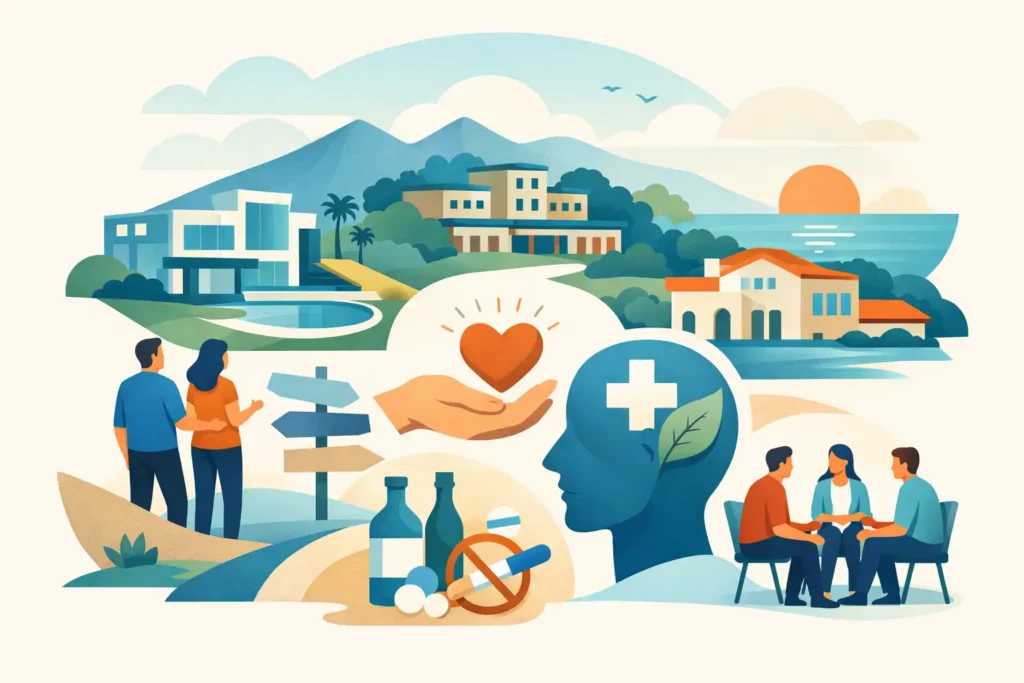
When people search for the top 10 treatment centers for addiction, they are usually not looking for a flashy ranking. They are looking for an answer they can trust while life is already in crisis. A parent may be trying to help an adult child before things get worse. A working professional may need treatment without disappearing from work and family responsibilities. Someone leaving detox may need real structure, not just a referral sheet.
That is why a simple list often falls short. Addiction treatment is not one-size-fits-all, and the “best” center depends on what kind of care you need, how much support is required, and whether mental health symptoms are part of the picture. A high-quality program should not just get someone through a hard week. It should help them build the skills, stability, and support needed for real recovery.
How to evaluate the top 10 treatment centers for addiction
A better way to think about the top 10 treatment centers for addiction is to evaluate the qualities that actually lead to better outcomes. Reputation matters, but fit matters more. The right center for one person may be the wrong one for another.
Start with the level of care. Some people need medical detox and inpatient stabilization. Others are medically stable but still need daily support through a Partial Hospitalization Program, several therapy sessions each week in an Intensive Outpatient Program, or ongoing outpatient counseling while they keep up with school, work, or family life. If a center only offers one level of care, that can become a problem when needs change.
Clinical depth matters just as much. Look for evidence-based treatment, licensed clinicians, psychiatric support when appropriate, and a trauma-informed approach. Many people dealing with substance use are also managing anxiety, depression, PTSD, bipolar disorder, or unresolved grief. If the program treats addiction without addressing the underlying emotional drivers, relapse risk often stays high.
Practical life fit is another major factor. Some people truly need residential treatment away from daily triggers. Others do better in outpatient care because they can practice recovery skills in real time while staying connected to work, family, and community. There are trade-offs. Residential treatment offers immersion and distance from stressors. Outpatient treatment offers flexibility and real-world reintegration. Neither is automatically better.
What strong addiction treatment centers have in common
The centers that consistently stand out usually share a few core traits. First, they provide a clear continuum of care. Recovery changes over time, and a good treatment team should be able to step support up or down instead of forcing people into a fixed model.
Second, they treat the whole person. That means therapy for substance use, mental health care, relapse prevention planning, family support, medication management when needed, and practical help rebuilding routines. Recovery is not only about stopping alcohol or drug use. It is also about emotional regulation, relationships, structure, accountability, and purpose.
Third, they set realistic expectations. Any center promising quick transformation should raise concern. Recovery can be hopeful and life-changing, but it still takes work. A trustworthy provider will talk honestly about setbacks, triggers, and the need for ongoing support.
The categories that often make a true top 10 list
Rather than offering a generic national ranking that may not apply to your life, it helps to understand the categories that often define the strongest programs.
1. Medical detox centers
For people with severe alcohol dependence, benzodiazepine use, opioid dependence, or a history of withdrawal complications, medical detox can be the safest place to start. A top detox center should provide medical supervision, symptom management, and a clear transition plan for what happens next. Detox alone is not treatment. It is the opening step.
2. Residential rehab programs
Residential care can be a strong choice when someone needs separation from triggers, round-the-clock support, and a highly structured environment. This level of care is often appropriate for severe addiction, repeated relapse, unstable home environments, or co-occurring mental health concerns that need close monitoring.
3. Partial Hospitalization Programs
PHP offers a high level of structure without requiring overnight stay. This can be ideal for people stepping down from inpatient care or for those who need intensive treatment but are safe living at home or in sober living. It bridges the gap between stabilization and independence.
4. Intensive Outpatient Programs
IOP is often one of the most practical and effective options for adults, young professionals, and students who need meaningful support while staying engaged with daily responsibilities. A quality IOP should include individual therapy, group therapy, relapse prevention, and coordinated mental health support.
5. Dual diagnosis treatment centers
If addiction exists alongside anxiety, depression, trauma, ADHD, or another psychiatric condition, dual diagnosis care is not optional. It is essential. Treatment tends to be more effective when both conditions are addressed at the same time rather than in separate silos.
6. Adolescent and young adult programs
Teens and young adults often need a different clinical approach than older adults. Family dynamics, school stress, identity development, social pressure, and emotional regulation all play a major role. Programs designed for these age groups can offer more relevant care and stronger engagement.
7. Medication-supported treatment programs
For some people, medications can reduce cravings, stabilize mood, or support recovery from opioid or alcohol use disorders. This is not the right path for everyone, but when clinically appropriate, it can be a valuable part of a comprehensive plan.
8. Trauma-informed treatment centers
Many people with substance use disorders have trauma histories, whether obvious or unspoken. A trauma-informed center recognizes how shame, hypervigilance, emotional numbness, and survival patterns affect recovery. That changes how therapy is delivered and how trust is built.
9. Family-inclusive programs
Addiction affects entire households. The strongest centers often include family education, communication support, and guidance on boundaries. Family involvement does not mean blame. It means helping the support system become healthier too.
10. Step-down and long-term recovery support
The final category is often the most overlooked. A center may provide excellent short-term care, but what happens after discharge matters just as much. Ongoing outpatient therapy, recovery coaching, sober living, alumni support, and life skills work can make the difference between early improvement and lasting change.
How to choose the right center for your situation
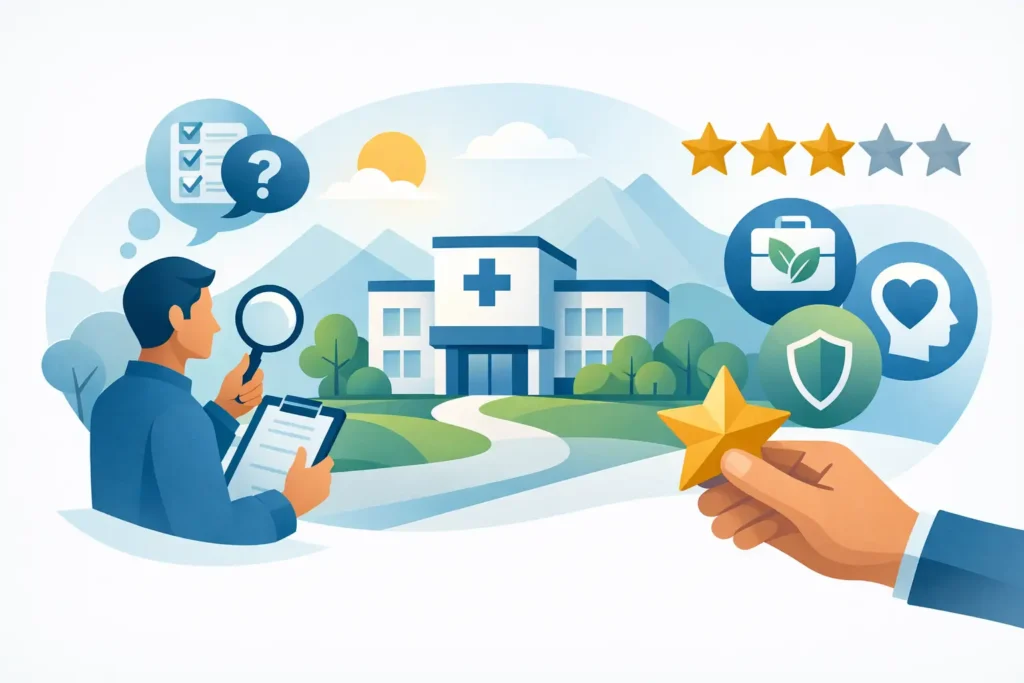
If you are comparing programs, start with urgency and safety. If withdrawal may be dangerous, seek a medical assessment first. If safety is stable, ask practical questions that go beyond marketing language.
Ask what levels of care are available, how mental health is treated, whether psychiatric services are included, and how family involvement works. Ask how the center handles relapse, what a typical week looks like, and what happens when someone improves or struggles. Good programs answer clearly. Vague answers usually signal weak structure.
You should also ask whether the schedule fits real life. For many people in Houston, flexibility is not a preference. It is a necessity. Missing work indefinitely, stepping away from school, or leaving caregiving responsibilities may not be realistic. In those cases, structured outpatient care can provide meaningful treatment without requiring someone to abandon everyday life.
That is where providers like Altura Recovery can be relevant for people who need comprehensive outpatient recovery services with clinical depth. For someone stepping down from detox or inpatient rehab, or for someone who needs help while maintaining responsibilities, outpatient treatment can offer a more sustainable path than people expect.
Red flags to watch for when reviewing top addiction centers
Not every center advertising itself as elite delivers strong care. Be cautious if a program relies heavily on luxury language while saying very little about therapy models, psychiatric support, or relapse prevention. Comfort can matter, but it is not the same thing as treatment quality.
Another red flag is a rigid approach that treats every client the same. Some people benefit from 12-step support. Others need a broader combination of CBT, DBT, trauma therapy, medication support, or family work. Effective treatment should be personalized, not formulaic.
Finally, be wary of programs that focus only on abstinence without teaching recovery skills. Stopping use is critical, but long-term healing also requires coping tools, emotional awareness, accountability, and a realistic plan for life after treatment.
Finding the right program is less about choosing a famous name and more about choosing a center that understands the full picture of recovery. The best treatment helps people stabilize, rebuild, and move forward with structure, dignity, and hope. When you ask better questions, the right next step usually becomes clearer.