You may be ready for help but not able to disappear from work, classes, parenting, or daily responsibilities for 30 days. That is usually the moment people ask, what does outpatient drug treatment consist of, and can it actually work in real life? The short answer is yes – when treatment is structured well, matched to your needs, and supported by the right level of care.
Outpatient drug treatment is not a watered-down version of rehab. It is a clinical recovery model built for people who need meaningful support while continuing to live at home and stay connected to everyday life. For some, it is the first step into treatment. For others, it is the next step after detox, residential care, or inpatient rehab.
What outpatient drug treatment consists of in practice
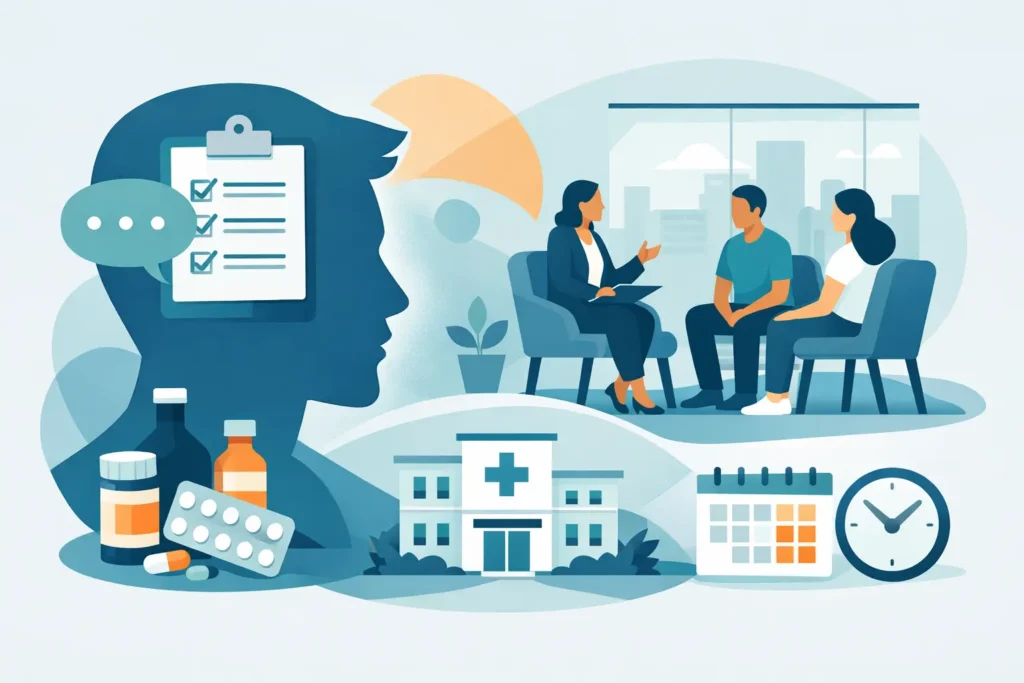
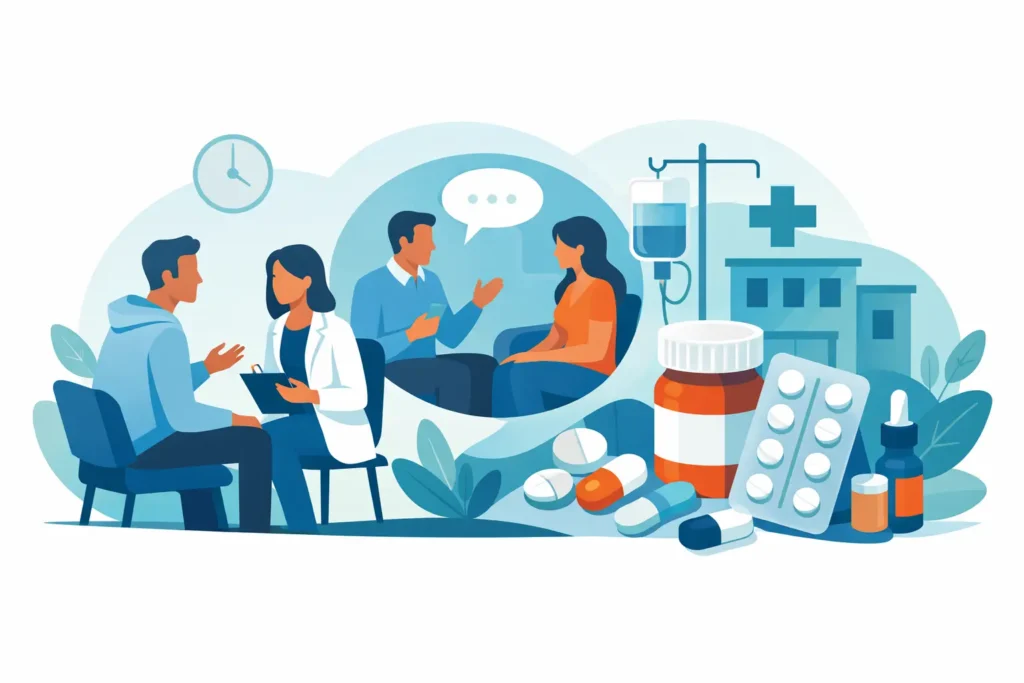
At its core, outpatient treatment combines clinical care, recovery support, and accountability. The exact schedule varies, but most programs include a mix of individual therapy, group therapy, relapse prevention planning, education about substance use, and support for mental health concerns that may be driving or worsening addiction.
The structure matters. A strong outpatient program does not simply offer a weekly appointment and send you on your way. It creates a treatment plan that reflects your substance use history, mental health symptoms, family dynamics, physical health, stressors, and current responsibilities. That plan can then be adjusted as you make progress or hit setbacks.
Some people need several hours of treatment multiple days a week. Others are appropriate for a lighter schedule with more independence. The right fit depends on factors like withdrawal risk, relapse history, home stability, motivation, psychiatric symptoms, and whether you have a safe support system.
Assessment and treatment planning
Treatment usually starts with a clinical assessment. This is where a provider looks at what substances are being used, how often, how long the pattern has been going on, whether there have been overdoses or blackouts, and whether there are co-occurring issues such as anxiety, depression, trauma, bipolar disorder, or ADHD.
This first step is more than paperwork. It helps determine the right level of care, whether psychiatric support is needed, and what goals should come first. For one person, the immediate priority may be staying sober after detox. For another, it may be reducing cravings, stabilizing mood, or rebuilding daily structure after months of chaotic use.
Individual therapy
One-on-one therapy is where treatment becomes personal. In these sessions, clients work with a therapist to understand patterns, triggers, thought processes, and emotional pain connected to substance use. That often includes trauma-informed care, coping skills development, and realistic planning for situations that put recovery at risk.
Individual therapy also creates space for issues people may not feel ready to discuss in a group. Shame, grief, family conflict, burnout, self-medication, and identity struggles often sit underneath addiction. Addressing those pieces is part of real healing, not an optional extra.
Group therapy
Group therapy is a central part of most outpatient programs because addiction can be deeply isolating. In a well-run group, people practice honesty, learn from others, and build accountability. They also hear their own thoughts echoed by people in different stages of recovery, which can reduce shame and make change feel more possible.
Groups may focus on relapse prevention, emotional regulation, communication, boundaries, trauma recovery, process work, or psychoeducation. For teens and young adults, groups often also address school stress, family pressure, social influence, and identity development.
Family involvement
Addiction rarely affects one person alone. Family sessions, education, and support can help loved ones understand substance use disorders, stop unintentionally reinforcing harmful patterns, and rebuild healthier communication. This is especially important when someone is returning home after a crisis or when parents are involved in a teen or young adult’s treatment.
Family work can be delicate. Not every family system is safe or stable, and not every client is ready for joint sessions right away. Still, when handled thoughtfully, family support can make outpatient treatment stronger and more sustainable.
Levels of care within outpatient treatment
When people ask what does outpatient drug treatment consist of, they are often surprised to learn that outpatient care is not just one program. It is a continuum.
A Partial Hospitalization Program, or PHP, offers the highest level of outpatient structure. Clients attend treatment for most of the day, several days a week, but return home or to sober living in the evenings. This can be a good fit for someone who needs intensive support without full residential care.
An Intensive Outpatient Program, or IOP, is a step down in time commitment while still providing frequent clinical contact. IOP often works well for people balancing work, school, or family obligations who still need more than standard weekly therapy.
General outpatient care is less intensive and may include one or two therapy sessions per week, ongoing psychiatric follow-up, recovery coaching, or continued group participation. This level often supports long-term maintenance and growth after more intensive treatment.
The best programs do not force everyone into the same schedule. They move people through levels of care based on progress, safety, and real-world functioning.
Mental health care is often part of treatment
Many people entering outpatient rehab are not only dealing with substance use. They are also dealing with panic, depression, trauma symptoms, insomnia, mood swings, or unresolved stress that fuels the need to escape. That is why dual diagnosis care matters.
If both addiction and mental health conditions are present, treating only one side usually leads to frustration. A person may stop using for a short time, but if the anxiety, trauma, or depression underneath remains untreated, the old pattern often returns. Comprehensive outpatient recovery services typically include therapy that addresses both conditions together, rather than treating them as separate problems.
Psychiatric care may also be part of the plan. That can include medication management for mental health symptoms or medication support that helps reduce cravings and lower relapse risk. Medication is not right for everyone, but for some clients it adds stability that makes therapy and behavior change more effective.
What daily life looks like during outpatient rehab
One reason outpatient treatment appeals to many adults, students, and families is that it allows recovery to happen in the same environment where life is actually being lived. You do not just talk about coping skills in theory. You use them at home, at work, in relationships, and during stressful moments, then bring those experiences back into treatment.
That real-world exposure is both the strength and the challenge of outpatient care. You keep your routines, privacy, and responsibilities, but you also remain close to triggers, access to substances, and unhealthy dynamics. Because of that, outpatient treatment works best when there is enough structure around the person. That may include sober living, family support, regular drug testing, recovery coaching, or a carefully planned weekly schedule.
For professionals and students in Houston, flexibility can make the difference between getting help now and delaying treatment until things get worse. Programs with day or evening options can support recovery without requiring someone to abandon school, work, or caregiving duties.
What outpatient treatment does not do by itself
Outpatient care can be highly effective, but it is not the right starting point for everyone. If someone is at risk for severe withdrawal, actively medically unstable, unable to stay safe outside a monitored setting, or trapped in a home environment that makes substance use almost inevitable, detox or inpatient care may need to come first.
It is also worth being honest that outpatient treatment is not passive. It asks a lot from clients. You have to show up consistently, practice skills outside sessions, tolerate discomfort, and accept support when your instinct may be to isolate or minimize the problem. The flexibility is valuable, but it comes with responsibility.
What good outpatient treatment is really designed to build
The goal is not just to stop using drugs for a few weeks. Effective outpatient treatment helps people build a life that can actually support recovery. That includes emotional regulation, healthier routines, stronger boundaries, practical coping tools, better communication, and a clearer sense of purpose.
That is why many programs also include life skills support, recovery coaching, holistic services, and planning for long-term aftercare. Sobriety matters, but so do sleep, relationships, work performance, motivation, self-respect, and the ability to handle life without reaching for a substance every time things get hard.
At Altura Recovery, that broader view matters because transformation takes more than crisis stabilization. It takes structured care, evidence-based treatment, and support that meets people where they are while helping them move toward real freedom.
If you are trying to figure out whether outpatient treatment is enough, the best question may not be whether it is convenient. It is whether the program offers enough structure, accountability, and clinical depth to help you recover while staying engaged with your life. When it does, outpatient care can be more than flexible – it can be the place where lasting change begins.