
Addiction is far more than a lack of willpower; it’s a complex disease that fundamentally alters brain chemistry and rewires our deepest neural pathways. While recovery is always possible, the journey is not the same for everyone or for every substance. Understanding why certain dependencies are considered the hardest addictions to quit is the first, crucial step toward finding an effective and sustainable path to freedom.
This guide is designed to provide clarity and direction. We will explore ten of the most tenacious addictions, from opioids and alcohol to behavioral compulsions like gambling and internet use. For each, we will break down the specific factors that make them so difficult to overcome, including their unique impact on neurobiology, the severity of withdrawal symptoms, and the powerful social and environmental triggers that can lead to relapse.
To truly understand why some addictions are harder to break, it's essential to look beyond chemical dependence to the psychological and behavioral challenges of quitting smoking beyond nicotine, which often go unaddressed. These ingrained habits and emotional associations are a critical piece of the puzzle for many dependencies.
More importantly, this article moves beyond the problem to focus on the solution. We will detail evidence-based treatment options tailored to each specific addiction, such as medication-assisted treatment (MAT), cognitive-behavioral therapy (CBT), and dialectical behavior therapy (DBT). Our goal is to equip you with the knowledge needed to face recovery head-on and show how specialized, flexible outpatient programs can help you or a loved one rebuild a healthier life without putting work, school, or family on hold.
1. Alcohol Addiction
Alcohol is one of the most socially accepted and widely available substances, which paradoxically makes it one of the hardest addictions to quit. Alcohol Use Disorder (AUD) is a chronic condition characterized by compulsive drinking, loss of control over alcohol intake, and a negative emotional state when not drinking. Its ubiquitous presence in social gatherings, media, and daily life creates constant exposure and triggers, complicating recovery efforts.
Why Alcohol is Difficult to Overcome
The primary challenge in overcoming alcohol addiction lies in its profound impact on the brain and body. Alcohol hijacks the brain’s reward system, increasing dopamine levels and creating a powerful cycle of psychological dependence. Over time, the brain adapts, requiring more alcohol to achieve the same effect and leading to severe withdrawal symptoms when use is stopped.
Unlike many other substances, alcohol withdrawal can be life-threatening. Symptoms can escalate rapidly from tremors and anxiety to seizures, hallucinations (delirium tremens), and cardiovascular collapse. This medical risk, combined with intense cravings, makes unassisted quitting both dangerous and incredibly difficult.
Key Insight: The social normalization of drinking creates a unique barrier. Recovering individuals must constantly navigate environments where alcohol is present, requiring a robust set of coping strategies and a strong support system.
Actionable Steps for Recovery
Overcoming an addiction this challenging requires a structured, multi-faceted approach.
- Prioritize Medical Detoxification: Due to the severe risks of withdrawal, the first step should always be medically supervised detox. Professional oversight ensures safety and comfort, managing dangerous symptoms with appropriate care. For a deeper understanding of this crucial first step, you can learn more about how to detox from alcohol safely.
- Engage in Peer Support: Immediately connect with support groups like Alcoholics Anonymous (AA) or SMART Recovery. Sharing experiences with others who understand the struggle provides invaluable emotional support and practical advice.
- Identify and Manage Triggers: Create a detailed list of personal triggers, which could be people, places, specific times of day, or certain emotions. Develop a concrete plan for how you will avoid or navigate each one.
- Consider Medication-Assisted Treatment (MAT): Medications such as naltrexone, acamprosate, and disulfiram can be highly effective. They work by reducing cravings, blocking the pleasurable effects of alcohol, or creating an unpleasant reaction to drinking, providing a crucial biological advantage in early recovery.
2. Opioid Addiction
Opioid addiction, clinically known as Opioid Use Disorder (OUD), is a severe medical condition driven by dependence on prescription painkillers (like oxycodone and fentanyl) or illicit opioids like heroin. The immense danger of this addiction lies in its rapid development, extreme physiological dependence, and the staggering risk of fatal overdose. It is widely considered one of the hardest addictions to quit due to the intensity of its withdrawal and the profound changes it causes in brain chemistry.

Why Opioids are Difficult to Overcome
Opioids bind to receptors in the brain, flooding it with dopamine and creating an intense, euphoric high that the brain’s natural reward system cannot replicate. This powerful effect quickly leads to tolerance, requiring higher and more frequent doses to avoid withdrawal. The brain stops producing its own natural pain-relieving chemicals, making the user physically dependent on the substance to feel normal.
The withdrawal syndrome is notoriously agonizing, with severe flu-like symptoms including muscle and bone pain, vomiting, and uncontrollable tremors. These symptoms, combined with overwhelming psychological cravings, create a cycle that feels impossible to break without professional help. The high risk of relapse is compounded by the ever-present danger of overdose, especially with the prevalence of potent synthetic opioids like fentanyl.
Key Insight: The severity of opioid withdrawal is a primary driver of continued use. Many individuals continue using not to get high, but simply to stave off the excruciating physical and psychological pain of withdrawal, making unassisted quitting nearly impossible.
Actionable Steps for Recovery
A comprehensive, medically-guided strategy is essential for safely overcoming an opioid addiction.
- Prioritize Medication-Assisted Treatment (MAT): MAT is the gold standard for treating OUD. Medications like buprenorphine (Suboxone) and methadone normalize brain chemistry, block the euphoric effects of opioids, and relieve cravings, allowing individuals to focus on therapy. To get a better grasp of this vital treatment, you can discover more about what Medication-Assisted Treatment is and how it works.
- Always Carry Naloxone: Naloxone (Narcan) is a life-saving medication that can instantly reverse an opioid overdose. Family members and the individual in recovery should have it readily available and know how to use it.
- Begin with Medically Supervised Detox: The first step must be a safe, medically monitored detoxification. This process manages the severe withdrawal symptoms under professional care, preventing dangerous complications and increasing the chances of transitioning to long-term treatment.
- Address Co-Occurring Conditions: Opioid addiction frequently co-occurs with mental health disorders like depression, anxiety, or PTSD. Integrated treatment that addresses both the addiction and the underlying mental health issues is critical for sustainable recovery.
3. Nicotine/Tobacco Addiction
Nicotine is one of the most legally accessible and powerfully addictive substances available, with a dependency potential that rivals heroin or cocaine. Its addiction is characterized by a compulsive need to use tobacco products, driven by the substance's rapid delivery to the brain and potent effects. The ritualistic nature of smoking or vaping integrates it deeply into daily routines, making the psychological and behavioral ties just as strong as the physical ones.
Why Nicotine is Difficult to Overcome
The primary reason nicotine is one of the hardest addictions to quit is its fast-acting impact on the brain’s neurochemistry. Inhaled nicotine reaches the brain in seconds, triggering a massive release of dopamine that creates an immediate sense of pleasure and reward. The brain quickly learns to associate this feeling with smoking or vaping, leading to intense cravings when levels drop.
Nicotine withdrawal is notoriously uncomfortable, featuring symptoms like irritability, anxiety, intense cravings, and difficulty concentrating. These symptoms begin within hours of the last dose and can persist for weeks, making unassisted quit attempts feel overwhelming. The addiction is further reinforced by behavioral triggers, such as finishing a meal, driving, or feeling stressed, which become powerful cues to use tobacco.
Key Insight: Nicotine addiction is a dual challenge of physical dependence and deeply ingrained behavioral habits. True recovery requires addressing both the brain's demand for the drug and the conditioned routines that trigger its use.
Actionable Steps for Recovery
Quitting nicotine successfully often requires a combination of strategies tailored to break both physical and psychological dependence.
- Combine Counseling and Medication: The most effective approach is a dual strategy. Behavioral counseling helps you develop new habits, while medications like varenicline (Chantix) or bupropion (Zyban) can reduce cravings and withdrawal symptoms, making the process more manageable.
- Utilize Nicotine Replacement Therapy (NRT): NRT products like patches, gum, and lozenges provide controlled doses of nicotine without the harmful chemicals in tobacco. This helps wean your body off the substance gradually, easing withdrawal and allowing you to focus on changing your behaviors.
- Develop a Trigger Management Plan: Identify the specific situations, emotions, or activities that make you want to smoke or vape. Proactively create alternative responses for each trigger, such as taking a short walk after a meal instead of having a cigarette. Mastering these coping skills for relapse prevention is a cornerstone of long-term success.
- Set a Quit Date and Prepare: Choose a specific date to quit within the next month. Use the time leading up to it to prepare your environment by removing all tobacco products, ashtrays, and lighters from your home, car, and workplace. Mentally preparing for the challenge is just as important as physical preparation.
4. Methamphetamine Addiction
Methamphetamine addiction is notorious for its rapid development and devastating long-term consequences, making it one of the hardest addictions to quit. This powerful central nervous system stimulant creates an intense rush of euphoria by flooding the brain with dopamine. This extreme surge rewires neural pathways, establishing a severe psychological dependence that users find almost impossible to break on their own.
Why Methamphetamine is Difficult to Overcome
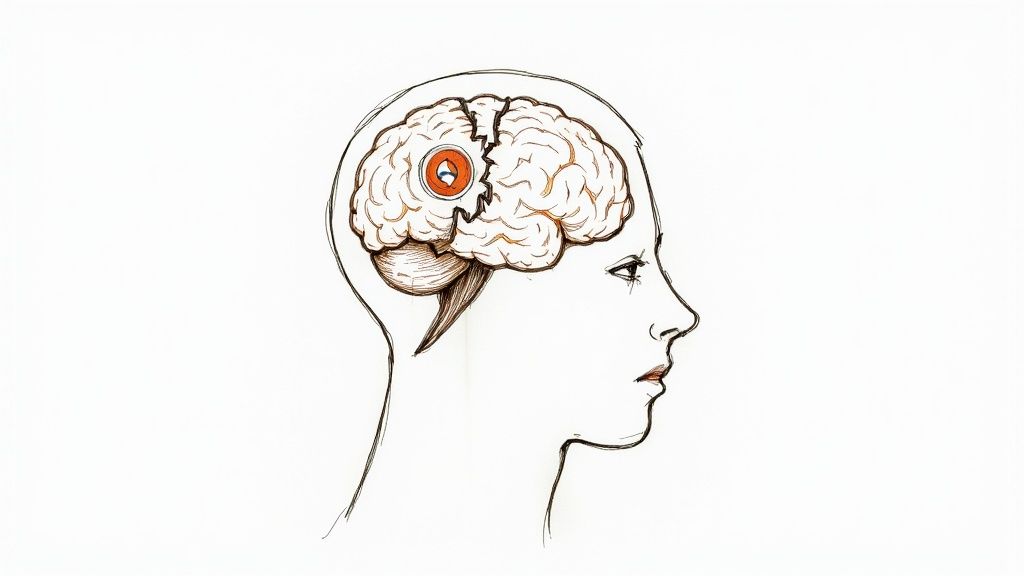
The primary challenge in overcoming methamphetamine addiction is the profound neurobiological damage it causes. Chronic use can destroy dopamine receptors, making it difficult for individuals to experience pleasure from anything other than the drug. This condition, known as anhedonia, often persists long into recovery and is a major driver of relapse.
The withdrawal period is not typically life-threatening like alcohol or benzodiazepines, but it is psychologically grueling. It includes severe depression, intense cravings, anxiety, psychosis, and extreme fatigue. These symptoms can last for weeks or months, a prolonged and difficult phase that you can explore further by understanding post-acute withdrawal syndrome on Alturarecovery.com. This extended timeline often wears down even the most determined individuals.
Key Insight: Recovery from methamphetamine often involves healing the brain itself. The profound cognitive and emotional deficits, such as impaired judgment and memory loss, require specialized, long-term therapeutic interventions to rebuild neural function.
Actionable Steps for Recovery
A comprehensive and structured approach is essential for a substance this powerful.
- Engage in Intensive Behavioral Therapy: Cognitive Behavioral Therapy (CBT) and Contingency Management are highly effective. These therapies help individuals unlearn destructive thought patterns and reward positive behaviors, providing a tangible incentive for staying sober.
- Prioritize Physical Health and Exercise: Rigorous physical activity has been proven to help heal the brain's dopamine system. Establishing a consistent exercise routine can improve mood, reduce cravings, and restore a sense of well-being.
- Build a New Social Network: Because methamphetamine use is often tied to specific social circles, it is crucial to build a new, sober support system. This means separating from using environments and actively engaging with recovery communities and support groups.
- Address Co-occurring Disorders: Methamphetamine use frequently co-occurs with serious mental health conditions like trauma, depression, or psychosis. Integrated treatment that addresses both the addiction and underlying psychiatric issues simultaneously is critical for sustainable recovery.
5. Cocaine Addiction
Cocaine is a powerful stimulant that creates an intense but short-lived euphoria, making it one of the most psychologically addictive substances. Its rapid impact on the brain’s dopamine system establishes a strong link between the drug and feelings of pleasure, confidence, and energy. This connection drives a compulsive pattern of use, as individuals chase the initial high and seek to avoid the subsequent crash.
Why Cocaine is Difficult to Overcome
The primary obstacle in overcoming cocaine addiction is the severity of the psychological dependence and cravings. Cocaine causes a massive surge of dopamine in the brain's reward circuit. With repeated use, the brain adapts by reducing its natural dopamine production, leading to a state where the individual feels depressed, fatigued, and anhedonic (unable to feel pleasure) without the drug.
While cocaine withdrawal is not typically life-threatening like alcohol or benzodiazepine withdrawal, its psychological symptoms are formidable. Intense cravings, severe depression, anxiety, and exhaustion can persist for weeks or months, making relapse a significant risk. The brain's powerful memory of the cocaine high creates overwhelming urges when confronted with triggers.
Key Insight: The psychological pull of cocaine is its greatest challenge. Recovery depends on rewiring the brain's reward pathways and developing robust coping mechanisms to manage intense cravings and post-acute withdrawal symptoms like depression and anhedonia.
Actionable Steps for Recovery
A structured and supportive approach is essential to break the cycle of cocaine addiction.
- Seek Behavioral Therapy: Engage immediately in therapies like Cognitive Behavioral Therapy (CBT). CBT is highly effective for helping individuals identify the thought patterns and behaviors that lead to use, and it teaches new, healthier ways to cope with stress and triggers.
- Explore Contingency Management: This behavioral therapy provides tangible rewards for maintaining sobriety (verified by drug tests). The positive reinforcement helps counteract the brain's reward deficit and motivates continued abstinence, especially in the challenging early stages of recovery.
- Build a Sober Social Network: Actively avoid people and environments associated with past drug use. Connect with support groups like Cocaine Anonymous (CA) or SMART Recovery to build a new network of peers who understand the recovery journey and offer encouragement.
- Develop Healthy Reward-Seeking Behaviors: Re-engage the brain's reward system through positive activities. Find new hobbies, exercise regularly, or set and achieve personal goals. These actions help restore natural dopamine function and provide a sense of accomplishment and pleasure without substance use.
6. Cannabis/Marijuana Addiction
As cannabis becomes more socially accepted and legalized, the perception of it as a harmless substance has grown. However, Cannabis Use Disorder (CUD) is a real and challenging condition, making it one of the hardest addictions to quit due to its psychological grip and the normalization of its use. Modern cannabis products with extremely high THC potency have intensified its addictive potential and the severity of withdrawal symptoms, contrary to popular belief.
Why Cannabis is Difficult to Overcome
The primary difficulty in overcoming cannabis addiction is its insidious psychological dependence. Chronic use alters the brain's endocannabinoid system, which regulates mood, appetite, and memory. The brain reduces its own cannabinoid receptor production, leading to a state where the individual feels they need cannabis to feel "normal" or function.
Withdrawal, while not typically life-threatening like alcohol, is deeply uncomfortable and primarily psychological. Symptoms include intense irritability, anxiety, depression, insomnia, and powerful cravings. This emotional and mental distress often drives a rapid return to use, as the substance is seen as the only solution to the discomfort it created.
Key Insight: The widespread cultural belief that cannabis is "not addictive" creates a significant barrier to seeking help. Individuals often struggle in silence, feeling shame or confusion because their experience contradicts societal narratives.
Actionable Steps for Recovery
Quitting cannabis requires addressing the deep-rooted psychological habits and underlying emotional issues.
- Seek Behavioral Therapy: Engage in Cognitive Behavioral Therapy (CBT) to identify the thoughts and behaviors driving your cannabis use. CBT helps you develop healthier coping mechanisms for stress, anxiety, or boredom, which are common triggers.
- Create a Sober Environment: The first step to breaking the cycle is removing all cannabis and related paraphernalia from your home, car, and personal spaces. This simple action creates a physical barrier to impulsive use.
- Join Specific Support Groups: Connect with peer groups like Marijuana Anonymous (MA) or SMART Recovery. Sharing your struggles with others who specifically understand CUD can reduce feelings of isolation and provide targeted, practical strategies.
- Establish a Structured Routine: Cannabis use often fills large blocks of unstructured time. Building a consistent daily schedule with positive activities, exercise, and hobbies is crucial for managing cravings and creating a new, fulfilling lifestyle without the substance.
7. Gambling Addiction
Gambling addiction, also known as compulsive gambling or gambling disorder, is a behavioral addiction that can be just as destructive as any substance use disorder. It is defined by an uncontrollable urge to continue gambling despite the negative consequences it has on one's life. The constant accessibility of online platforms and casinos makes it an ever-present temptation, positioning it among the hardest addictions to quit.

Why Gambling is Difficult to Overcome
The core challenge of overcoming gambling addiction lies in its powerful psychological reinforcement schedule. Gambling hijacks the brain's reward system, creating a dopamine rush with the anticipation of a win, which is neurologically similar to the high from drugs. The "variable-ratio" schedule of reinforcement, where wins are unpredictable, creates a compelling and highly addictive cycle of chasing losses.
Unlike substance addictions, there are no physical withdrawal symptoms, which can make the problem less visible to others. However, the psychological withdrawal is severe, including intense irritability, restlessness, and depression. The financial devastation, damaged relationships, and overwhelming shame create a crushing emotional burden that often drives individuals back to gambling as a perceived escape.
Key Insight: Because gambling is a “hidden” addiction with no physical signs, individuals often reach a point of severe financial and emotional crisis before seeking help, making the recovery journey feel impossibly steep.
Actionable Steps for Recovery
Quitting a powerful behavioral addiction like gambling requires a strategic and comprehensive plan focused on changing thoughts and behaviors.
- Implement Immediate Barriers: The first step is to create tangible obstacles to gambling. Self-exclude from all local and online casinos, install gambling-blocking software on your devices, and relinquish control of your finances to a trusted partner or family member.
- Engage in Peer Support: Join a support group like Gamblers Anonymous (GA). Connecting with others who understand the compulsion provides a sense of community and accountability that is vital for long-term recovery.
- Pursue Cognitive Behavioral Therapy (CBT): CBT is highly effective for gambling addiction. A therapist can help you identify irrational beliefs about luck and winning, manage triggers, and develop healthier coping mechanisms for stress and emotional distress.
- Build a Structured Routine: Boredom and unstructured time are major triggers. Develop a consistent daily schedule filled with positive activities, hobbies, and social engagements that provide a sense of reward and purpose outside of gambling.
8. Internet/Gaming Addiction
Internet and gaming addiction are powerful behavioral addictions characterized by compulsive, excessive, and problematic engagement with digital media. These conditions hijack the brain's reward pathways in a manner similar to substance use disorders, creating a cycle of craving, use, and withdrawal. Their ever-present nature, deeply integrated into modern work, social, and academic life, makes them one of the hardest addictions to quit.
Why Internet/Gaming Addiction is Difficult to Overcome
The primary challenge lies in the sophisticated design of games and social platforms, which are engineered to maximize user engagement. They provide constant variable rewards, social validation, and a sense of achievement that can be more compelling than real-world interactions. This creates a powerful psychological dependency, where the virtual world becomes a primary source of self-esteem and an escape from underlying issues like depression, social anxiety, or trauma.
Unlike substance addictions where abstinence is the goal, complete avoidance of the internet is often impossible in today's society. This constant exposure requires individuals to learn moderation and mindful use, a far more complex task than simple avoidance. The withdrawal symptoms are primarily psychological, including intense irritability, restlessness, anxiety, and a profound sense of emptiness, making it incredibly difficult to disconnect.
Key Insight: The immersive and social nature of online gaming creates a substitute reality. Quitting means not just giving up a behavior but losing a perceived community, identity, and sense of purpose, which can feel like a profound personal loss.
Actionable Steps for Recovery
Navigating recovery from a digital addiction requires establishing firm boundaries and rebuilding a fulfilling offline life.
- Create Digital-Free Zones and Times: Designate specific areas of your home (like the bedroom) and times of day (like during meals or an hour before bed) as strictly screen-free. This helps break the habit of constant connectivity.
- Develop Compelling Offline Hobbies: The void left by gaming or internet use must be filled with meaningful activities. Actively pursue new or old interests like sports, art, music, or volunteering to build a sense of purpose and accomplishment in the real world.
- Seek Specialized Cognitive Behavioral Therapy (CBT): Engage with a therapist who specializes in behavioral addictions. CBT is highly effective for identifying the underlying thoughts and feelings that trigger compulsive use and developing healthier coping mechanisms.
- Establish Clear Boundaries and Consequences: Work with family or a therapist to set firm, measurable limits on screen time. Use apps or parental controls to enforce these limits and establish clear consequences for not adhering to them. This structure is crucial for rewiring compulsive behaviors.
9. Benzodiazepine Addiction
Benzodiazepine addiction is uniquely challenging because it often starts with a legitimate medical prescription for conditions like anxiety or insomnia. This class of drugs, which includes Xanax, Valium, and Klonopin, can create severe physical dependence with alarming speed. The insidious nature of this dependence, combined with one of the most dangerous withdrawal syndromes, makes it one of the hardest addictions to quit.
Why Benzodiazepines are Difficult to Overcome
The primary difficulty in overcoming benzodiazepine addiction is the profound neuroadaptation that occurs. These drugs enhance the effect of the neurotransmitter GABA, which calms the brain. With prolonged use, the brain reduces its own GABA production, becoming reliant on the medication to maintain a state of equilibrium. When the drug is stopped, the central nervous system becomes severely overexcited.
This overexcitation leads to a withdrawal syndrome that is not only intensely uncomfortable but can be life-threatening. Symptoms range from extreme anxiety and insomnia to seizures, psychosis, and cognitive impairment. Unlike many other substances, abrupt cessation can be fatal, and the fear of this severe withdrawal keeps many people trapped in a cycle of use.
Key Insight: The medical legitimacy of the initial prescription can create a significant psychological barrier. Individuals often struggle with the idea that a substance prescribed by a doctor could lead to such a devastating addiction, complicating the path to seeking help.
Actionable Steps for Recovery
Overcoming a benzodiazepine addiction requires a slow, careful, and medically supervised approach.
- Never Stop Abruptly: The most critical rule is to never suddenly discontinue use. This can trigger life-threatening seizures. Always consult a medical professional before making any changes to your dosage.
- Seek Specialized Medical Guidance: Find a physician experienced in benzodiazepine tapering. They will create a slow, individualized taper schedule, typically reducing the dose by a small percentage every few weeks, to minimize withdrawal symptoms.
- Engage in Dual-Diagnosis Treatment: Since benzodiazepines are often prescribed for anxiety, it is vital to address the underlying mental health condition simultaneously. Engage in therapies like Cognitive Behavioral Therapy (CBT) to develop non-medication coping skills for anxiety.
- Prepare for a Protracted Process: Be aware of Post-Acute Withdrawal Syndrome (PAWS), where symptoms like anxiety, insomnia, and mood swings can persist for months. Connecting with online communities like the Benzodiazepine Information Coalition can provide crucial long-term peer support and understanding.
10. Sex/Pornography Addiction
Sex and pornography addiction, also known as compulsive sexual behavior disorder, is a complex behavioral addiction. It is characterized by a persistent and escalating pattern of sexual fantasies, urges, or behaviors that are difficult to control and cause significant distress or impairment in personal, social, or occupational functioning. The pervasive accessibility of online pornography and the intense shame often associated with the behavior make it one of the hardest addictions to quit.
Why Sex/Pornography Addiction is Difficult to Overcome
The primary challenge in overcoming this addiction is its entanglement with a natural, healthy human drive. Unlike substance addictions where abstinence is the goal, recovery from sex addiction involves redefining a healthy relationship with sexuality, which is a nuanced and difficult task. The brain's reward pathways are activated similarly to substance use, with dopamine reinforcing compulsive behaviors and creating a powerful psychological dependence.
This addiction is also fueled by secrecy and shame. The fear of judgment often prevents individuals from seeking help, leading to isolation. Furthermore, withdrawal can manifest as intense irritability, anxiety, depression, and overwhelming sexual cravings, making it incredibly difficult to stop the cycle without structured support.
Key Insight: The easy, anonymous, and limitless access to explicit content online creates an environment of constant temptation. Recovery requires not just willpower but also practical strategies to manage the digital world.
Actionable Steps for Recovery
A comprehensive and compassionate approach is essential for reclaiming control and building a healthy sexual identity.
- Seek Specialized Therapy: Find a therapist who specializes in sex addiction or is a Certified Sex Addiction Therapist (CSAT). They can help address the root causes, such as underlying trauma or intimacy issues, using modalities like Cognitive Behavioral Therapy (CBT).
- Engage in Peer Support: Join a 12-step group like Sex Addicts Anonymous (SAA) or SMART Recovery. Connecting with others who share similar struggles reduces shame and provides a vital accountability network.
- Implement Digital Safeguards: Use content filters, monitoring software, and accountability apps on all digital devices. Creating these barriers provides a crucial buffer between an urge and the ability to act on it.
- Develop Healthy Intimacy: Focus on building non-sexual intimacy and emotional connection in relationships. This involves learning healthy communication skills, expressing vulnerability, and rebuilding trust that may have been broken.
Top 10 Hardest Addictions — Comparison
| Item | Implementation complexity 🔄 | Resource requirements ⚡ | Expected outcomes 📊⭐ | Ideal use cases 💡 | Key advantages ⭐ |
|---|---|---|---|---|---|
| Alcohol Addiction | High 🔄 Medicalized detox; severe withdrawal risk | High ⚡ Inpatient detox, meds, ongoing counseling | 📊 ~30% long‑term with treatment ⭐⭐ | 💡 When medical supervision and peer support available | ⭐ Medications (naltrexone/etc.) and established support networks |
| Opioid Addiction | High 🔄 Rapid tolerance; overdose risk | High ⚡ MAT (methadone/buprenorphine), naloxone, monitoring | 📊 50–70% with MAT ⭐⭐⭐ | 💡 Acute dependence or high overdose-risk cases | ⭐ MAT highly effective; naloxone prevents deaths |
| Nicotine/Tobacco Addiction | Moderate 🔄 Strong conditioned habits and triggers | Moderate ⚡ NRT/meds + behavioral counseling widely accessible | 📊 25–35% with meds+support; 3–5% unaided ⭐⭐ | 💡 Routine-dependent users aiming to quit | ⭐ FDA‑approved meds and accessible cessation programs |
| Methamphetamine Addiction | Very high 🔄 Severe neurotoxicity; prolonged cravings | High ⚡ Intensive behavioral programs, residential care | 📊 10–15% long‑term ⭐ | 💡 Severe dependence requiring intensive behavioral therapy | ⭐ Contingency management and specialized programs show promise |
| Cocaine Addiction | High 🔄 Intense psychological dependence; rapid reinforcement | Moderate‑High ⚡ Intensive behavioral therapy, contingency management | 📊 20–30% 1‑yr abstinence ⭐⭐ | 💡 Users with strong cravings responsive to CBT/CM | ⭐ Behavioral therapies effective; no life‑threatening withdrawal |
| Cannabis/Marijuana Addiction | Low‑Moderate 🔄 Psychological dependence; social minimization | Low‑Moderate ⚡ Behavioral treatment and support groups | 📊 50–60% with behavioral treatment ⭐⭐⭐ | 💡 Daily/high‑potency users seeking behavior change | ⭐ Manageable withdrawal; lower medical risk |
| Gambling Addiction | Moderate‑High 🔄 Variable‑ratio reinforcement; strong triggers | Moderate ⚡ CBT, peer support (GA), financial controls | 📊 50–60% maintain recovery with treatment ⭐⭐⭐ | 💡 Behavioral addiction with financial/social harm | ⭐ Evidence‑based behavioral treatments; abstinence achievable |
| Internet/Gaming Addiction | Moderate 🔄 Ubiquitous access; social retention mechanics | Moderate ⚡ CBT, monitoring tools, digital limits | 📊 60–70% with comprehensive behavioral treatment ⭐⭐⭐ | 💡 Young/immersive users with functional impairment | ⭐ No toxic exposure; tech and behavior interventions available |
| Benzodiazepine Addiction | Very high 🔄 Dangerous, prolonged withdrawal; complex tapering | High ⚡ Specialized medical supervision and taper protocols | 📊 70–80% with proper medical supervision ⭐⭐⭐ | 💡 Long‑term prescribed users needing safe discontinuation | ⭐ Established taper protocols and specialist care improve safety |
| Sex/Pornography Addiction | Moderate 🔄 Diagnostic ambiguity; shame complicates treatment | Moderate ⚡ Specialized therapy, support groups, digital controls | 📊 40–50% with specialized treatment ⭐⭐ | 💡 Compulsive sexual behavior harming relationships/function | ⭐ CBT approaches and peer support available; no direct physical toxicity |
Your Next Step Toward Real Healing and Freedom
Navigating this list of the hardest addictions to quit can feel daunting, but it’s crucial to remember the common thread that runs through every form of recovery: hope is real, and lasting change is possible. We've explored the complex neurobiology of substances like opioids and methamphetamine, the deeply ingrained behavioral patterns of gambling and internet addiction, and the severe physical dependence caused by alcohol and benzodiazepines. Each addiction presents a unique set of challenges, from life-threatening withdrawal symptoms to pervasive social and environmental triggers.
The journey to overcome these powerful dependencies is rarely a straight line. It is a process of unlearning, healing, and rebuilding. Recognizing the specific hurdles of your own situation, whether it's the intense cravings from nicotine or the emotional dysregulation linked to cocaine use, is the first step toward reclaiming your life. The key takeaway is not that these addictions are impossible to overcome, but that they require a specialized, compassionate, and evidence-based approach to treatment.
From Understanding to Action
Knowledge is a powerful tool, but action is what creates transformation. Understanding why these are some of the hardest addictions to quit is only half the battle. The other half is implementing a structured, supportive recovery plan that addresses the addiction from every angle: biological, psychological, and social.
This means moving beyond willpower alone and embracing proven therapeutic modalities.
- Cognitive Behavioral Therapy (CBT) helps you identify and reframe the destructive thought patterns that fuel addictive behaviors.
- Dialectical Behavior Therapy (DBT) equips you with essential skills for managing overwhelming emotions and preventing relapse.
- Medication-Assisted Treatment (MAT) can be a vital component for managing cravings and withdrawal, particularly for opioid and alcohol use disorders, providing the stability needed to engage fully in therapy.
Key Insight: Successful recovery isn't about finding a "magic bullet." It's about building a comprehensive toolkit of strategies, coping mechanisms, and support systems that empower you to navigate life's challenges without resorting to the substance or behavior.
Building a Foundation for Sustainable Freedom
A sustainable recovery is built on more than just abstinence. It’s about creating a life that is so fulfilling and meaningful that the old addictive behaviors lose their power. This involves addressing co-occurring mental health conditions like anxiety or depression, healing relationships, and finding a new sense of purpose. As you embark on the journey of recovery and seek lasting freedom, embracing personal growth tools and understanding the path to healing and forgiveness can be profoundly impactful. This holistic healing is where true freedom lies.
The path forward requires courage, commitment, and the right support network. You don’t have to face the complexities of withdrawal, cravings, and relapse triggers by yourself. A professional, structured environment provides the safety and guidance necessary to build a resilient foundation for long-term sobriety. At Altura Recovery, our outpatient programs are specifically designed to provide this level of intensive support while allowing you to maintain your work, school, and family commitments. We meet you where you are and walk with you every step of the way.
If you or a loved one is struggling with one of the hardest addictions to quit, know that specialized, compassionate help is available right now. Altura Recovery offers evidence-based outpatient programs in Houston designed to provide the structure, therapy, and support you need to build a lasting recovery. Take the first step toward a brighter future by contacting our team today at Altura Recovery.