Depression often creates an isolating bubble that convinces us we’re alone in our struggles. Yet, science consistently shows that connection and community are powerful medicines for mental health recovery. Intensive Outpatient Programs (IOPs) that incorporate group therapy create unique healing environments where shared experiences transform individual journeys. At Altura Recovery in Houston, we’ve witnessed firsthand how the transition from isolation to community becomes a turning point for many on their path to wellness.
How Depression Traps Us in Isolation
Depression is notoriously deceptive. It whispers that no one understands, that you should hide your struggles, and that connection isn’t worth the effort. According to the National Institute of Mental Health, this social withdrawal is both a symptom and a perpetuating factor in depression’s cycle—the less we connect, the worse we often feel.
“Depression creates a false narrative that isolation is protective, when in reality, isolation typically intensifies depressive symptoms,” explains the American Psychological Association in their research on depression treatment. “Breaking this cycle requires intentional community engagement.”
For Houston residents experiencing depression, this isolation can feel especially profound in such a bustling city. You might be surrounded by millions yet feel completely alone in your struggle.
Why Group Settings Matter in Depression Treatment
The structure of Intensive Outpatient Programs for depression is deliberately designed to counteract isolation. Unlike traditional one-on-one therapy, IOPs incorporate regular group sessions where participants:
Share experiences in a safe, facilitated environment
Receive real-time feedback from peers and professionals
Practice interpersonal skills in a supportive setting
Develop accountability through community relationships
Research published in the Journal of Psychiatric Practice found that the group component of IOPs significantly enhances treatment outcomes for depression. Participants who engaged in group therapy alongside individual treatment showed better symptom reduction and lower relapse rates than those who received individual therapy alone.
The Science Behind Community Healing for Depression
Neurobiological Benefits of Connection
Depression alters brain chemistry, particularly affecting neurotransmitters like serotonin and dopamine. Interestingly, positive social interactions stimulate the production of these exact chemicals. A Harvard Medical School study found that meaningful social connections trigger neurochemical responses similar to those targeted by antidepressant medications.
When you participate in group therapy sessions at an IOP in Houston’s Bellaire or West University neighborhoods, you’re not just talking—you’re actually changing your brain chemistry through connection.
Breaking Cognitive Distortions Together
Depression thrives on cognitive distortions—those negative thought patterns that skew our perception. In group settings, these distortions become more visible:
When someone else expresses a thought you’ve had, you can see its irrationality more clearly
Peers offer alternative perspectives that challenge negative thinking
Group facilitators help identify common thought patterns and teach strategies to address them
Witnessing others’ progress creates hope and evidence that change is possible
“The mirror that group members provide to each other is often more powerful than insights from a therapist alone,” notes the Substance Abuse and Mental Health Services Administration in their guidelines for effective mental health treatment.
Components of Community-Based Healing in Depression IOPs
At Altura Recovery, our depression-focused IOP incorporates several community-building elements that research has shown to be particularly effective:
Structured Group Therapy Sessions
Our professionally facilitated group sessions follow evidence-based protocols specifically designed for depression recovery. Groups typically include 6-10 participants and meet multiple times weekly, creating a consistent community experience.
The structure allows for:
Skills development for managing depression symptoms
Emotional processing in a supported environment
Interpersonal feedback that builds self-awareness
Practice applying new coping strategies in real-time
Peer Support Beyond Formal Sessions
Healing doesn’t only happen during scheduled therapy. Many participants find that connections formed in the program extend beyond session times, creating informal support networks. These relationships often continue after program completion, providing ongoing community support crucial for sustained recovery.
The Depression and Bipolar Support Alliance emphasizes that “peer support provides a unique form of validation and understanding that even the most skilled clinicians cannot offer—the lived experience of someone who has walked a similar path.”
Family Integration for Expanded Support
Depression affects not just individuals but entire family systems. Our Houston-based program includes family components that:
Educate loved ones about depression
Improve communication within family units
Help families understand how to support recovery
Create a broader community of support for lasting change
What Makes Group Healing in IOPs Different from Support Groups
While support groups offer valuable connection, IOPs provide a more comprehensive approach:
Intensive Outpatient Programs
General Support Groups
Led by licensed mental health professionals
Often peer-led
Structured, evidence-based treatment protocols
Usually less structured sharing
Combines group, individual therapy, and psychiatric support
Typically stand-alone meetings
Progress tracking and treatment adjustments
Limited clinical oversight
Insurance coverage often available
Usually free but no medical component
Both have their place in recovery, but IOPs offer a clinical depth that addresses the complexity of depression while still providing the community benefits.
Finding Your Community in Houston’s Mental Health Landscape
The Altura Recovery Approach to Depression IOPs
At Altura Recovery, our depression IOP serves the Houston community, including Bellaire and West University, with a compassionate, evidence-based approach that emphasizes connection. Our program incorporates:
Group therapy with peers experiencing similar challenges
Individual therapy to address personal needs
Psychiatric medication management when appropriate
Holistic wellness practices including yoga and meditation
Life skills and recovery coaching for practical application
“The transition from isolation to community doesn’t happen overnight,” explains the Mayo Clinic’s depression treatment resources. “Effective programs create safe spaces where trust can develop gradually, allowing participants to engage at their own pace.”
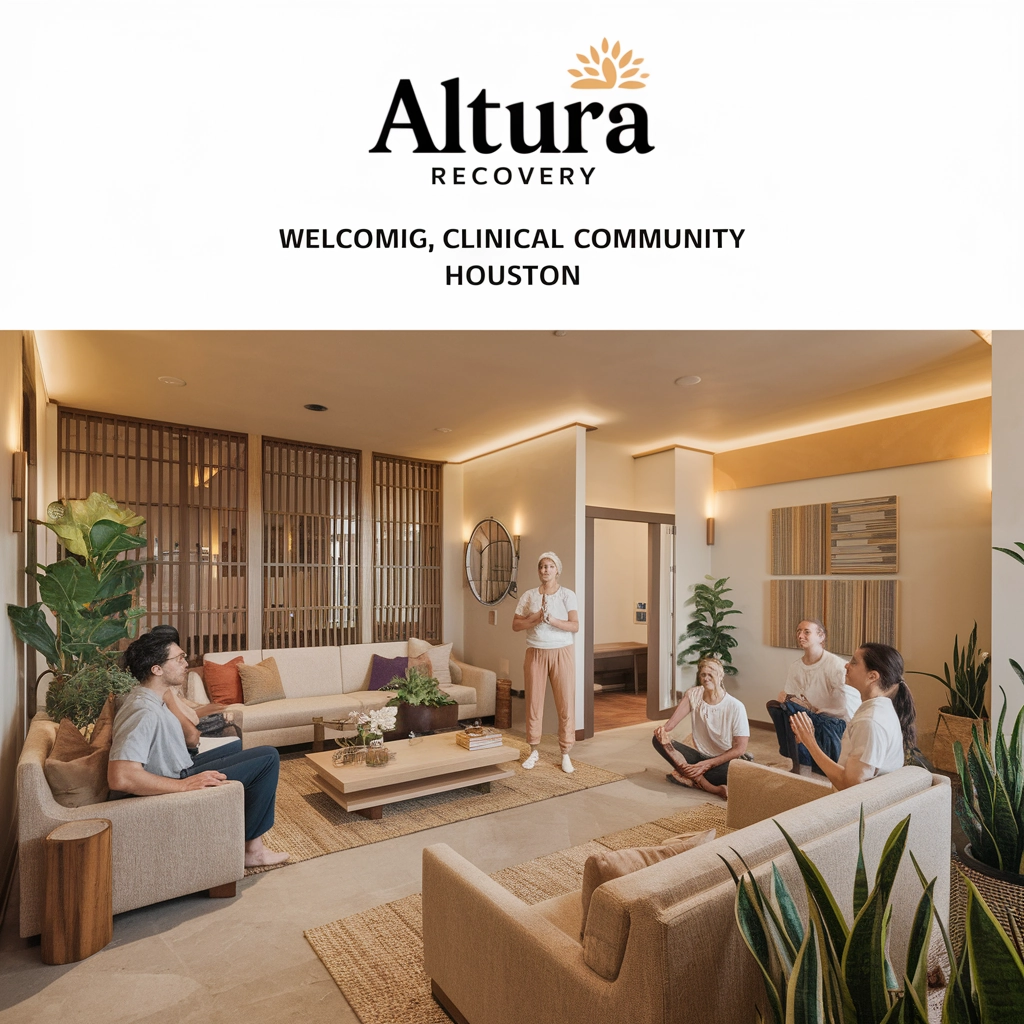
Our Houston facilities are designed to be welcoming, non-clinical environments where real connection can flourish alongside professional treatment.
Taking the First Step From Isolation to Community
Depression convinces us we should face our struggles alone, but research consistently shows that community is essential for lasting recovery. If you or someone you love is struggling with depression in the Houston area, an intensive outpatient program might provide the structured community support needed to break through isolation.
At Altura Recovery, we understand that reaching out takes courage. That’s why we offer a no-commitment, 20-minute discovery call to explore whether our community-based approach might be right for you. You can contact us anytime to schedule directly through our website.
Remember, the journey from isolation to community begins with a single connection. You don’t have to take that step alone.
At Altura Recovery, we understand that depression often leads to feelings of isolation, making it crucial to foster community connections. Our Intensive Outpatient Programs (IOPs) focus on creating a supportive environment where individuals can share their experiences and heal together. By emphasizing group therapy, we aim to break the cycle of loneliness that often accompanies depression, offering a pathway to recovery through collective strength.
Our commitment to community healing is rooted in the belief that shared experiences can lead to profound insights and progress. The IOPs at Altura Recovery are designed to facilitate these connections, providing participants with the tools and support needed to navigate their mental health challenges. By participating in structured group sessions, individuals not only receive therapeutic support but also build lasting relationships that contribute to their overall well-being.
The Role of Professional Guidance in Group Therapy
Professional guidance is essential in group therapy settings, particularly in Intensive Outpatient Programs (IOPs) for depression. Licensed mental health professionals lead sessions to ensure that discussions remain constructive and supportive. Their expertise helps create a safe space where participants can openly share their feelings and experiences without fear of judgment.
In addition to fostering a supportive environment, professionals guide the group through evidence-based therapeutic techniques. They help participants identify harmful thought patterns, teach coping strategies, and facilitate discussions that encourage personal growth. This structured approach not only enhances the effectiveness of the therapy but also allows individuals to learn from one another, further enriching their recovery journey.
Benefits of Integrating Family in the Recovery Process
Integrating family members into the recovery process can significantly enhance the effectiveness of depression treatment. At Altura Recovery, we recognize that the support of loved ones plays a vital role in an individual’s healing journey. Family involvement can improve communication, foster understanding, and create a more robust support network for those struggling with depression.
Our programs include components that educate families about depression, equipping them with the knowledge and tools to support their loved ones effectively. By improving family dynamics and encouraging open dialogue, we help create an environment where recovery can thrive. This holistic approach not only benefits the individual in treatment but also strengthens family relationships, promoting lasting change and resilience.
Exploring Holistic Approaches in Depression Treatment
Holistic approaches in depression treatment encompass a range of practices that support mental health beyond traditional therapy. At Altura Recovery, we integrate holistic wellness practices such as yoga, meditation, and life skills coaching into our Intensive Outpatient Programs (IOPs). These practices complement the therapeutic work done in group and individual sessions, addressing the whole person rather than just the symptoms of depression.
Research indicates that incorporating holistic methods can enhance emotional regulation, reduce stress, and improve overall well-being. By offering a variety of therapeutic modalities, we empower participants to explore what resonates with them personally. This individualized approach encourages a deeper connection to self and others, fostering a more comprehensive healing experience within our supportive community.
houston, therapy, mental health, substance abuse, dual diagnosis, health, addiction, psychiatry, patient, community, php, insurance, cenikor foundation, dialectical behavior therapy, substance, iop, employer, counselor, alcohol, relapse, peer support, education, social work, job description, greater houston, behavior, crisis intervention, sobriety, health insurance, substance dependence, physical therapy, psychology, injury, medication, humana, drug, opioid, coping, anxiety, rehab, texas rehab centers, bay area recovery, outpatient program, treatment programs, mental health treatment, treatment centers, inpatient, yoga, physician, music therapy, aetna, positive psychology, experience, gender, healing, recreational therapy, brain, payment, understanding, philosophy, neuron, health care, root, pain, meditation, motivation, mind, stress, evaluation, optum, fee, information, cost, clinician, methadone, length of stay, internet, opiate, exercise, programs, program, blue cross blue, treatment, medical, sober, sober living, drugs, behaviors, positive, light, families, family, recovery, aetna blue cross, center, parc, treatment center, clinical, mental, virtual, contact, mental health support, clients, peer support specialist
Frequently Asked Questions
Are Altura Recovery programs individualized for each client?
Altura Recovery programs are individualized for each client, ensuring that treatment plans are tailored to meet the unique needs and circumstances of every individual. This personalized approach fosters effective recovery and supports long-term success.
Does Altura Recovery Houston provide detox services?
Altura Recovery Houston does not provide detox services directly. Instead, we focus on outpatient addiction treatment, supporting individuals after they have completed detox or inpatient rehab.
What amenities are provided at Altura Recovery centers?
The amenities provided at Altura Recovery centers include comfortable therapy spaces, group meeting rooms, and access to life skills coaching, all designed to support individuals in their outpatient addiction recovery journey.
Are Altura Recovery Houstons programs covered by insurance?
Altura Recovery's programs are typically covered by many insurance plans. We recommend contacting our admissions team to verify your specific coverage and explore available options for financial assistance.
What is the staff-to-client ratio at Altura Recovery?
The staff-to-client ratio at Altura Recovery is designed to ensure personalized attention and support, typically maintaining a low ratio to facilitate effective treatment and foster meaningful connections between clients and staff.
What types of therapy are used at Altura Recovery?
The types of therapy used at Altura Recovery include individual therapy, group therapy, cognitive-behavioral therapy (CBT), and holistic approaches, all tailored to support individuals in their journey to recovery from addiction and co-occurring mental health conditions.
What types of therapy are used at Altura Recovery Houston?
The types of therapy used at Altura Recovery Houston include individual therapy, group therapy, cognitive-behavioral therapy (CBT), and dialectical behavior therapy (DBT), all tailored to support recovery from substance use disorders and co-occurring mental health conditions.
What services does Altura Recovery Houston offer to patients?
Altura Recovery Houston offers a range of outpatient addiction treatment services, including personalized therapy sessions, group support, and life skills coaching, all designed to support individuals in their recovery journey while maintaining their daily routines.
How long do Altura Recovery programs typically last?
Altura Recovery programs typically last from several weeks to a few months, depending on individual needs and treatment goals. Each program is tailored to support long-term recovery while accommodating daily life.
How does Altura Recovery address co-occurring disorders?
Altura Recovery addresses co-occurring disorders by offering integrated treatment that simultaneously targets both substance use and mental health issues. This approach ensures personalized care through tailored therapy sessions and support, fostering comprehensive healing and long-term recovery.
Is Altura Recovery Houston a co-ed rehab facility?
Altura Recovery Houston is a co-ed rehab facility, providing a supportive environment for both men and women in their journey toward recovery from substance use disorders and co-occurring mental health conditions.
Does Altura Recovery Houston treat opioid addiction?
Altura Recovery Houston specializes in treating opioid addiction through personalized outpatient programs. Our evidence-based therapies and supportive community help individuals achieve lasting recovery while maintaining their daily lives.
What is the success rate of Altura Recovery Houston?
The success rate of Altura Recovery Houston reflects our commitment to personalized, evidence-based treatment. While individual outcomes vary, many clients achieve significant long-term recovery through our tailored programs and supportive community.
Are there any holistic treatment options at Altura Recovery Houston?
Holistic treatment options at Altura Recovery Houston include a range of therapies designed to support the whole person, such as mindfulness practices, yoga, and nutrition counseling, all aimed at enhancing overall well-being during the recovery process.
Can family members participate in Altura Recovery programs?
Family members can participate in Altura Recovery programs. We offer family therapy sessions and support groups to help loved ones engage in the recovery process and strengthen their relationships.
What is the admission process for Altura Recovery?
The admission process for Altura Recovery involves an initial assessment to evaluate individual needs, followed by the development of a personalized treatment plan. This ensures tailored support for effective outpatient addiction recovery.
Are there aftercare services available at Altura Recovery?
Aftercare services are available at Altura Recovery. We provide ongoing support through tailored therapy sessions, group meetings, and life skills coaching to ensure a smooth transition and promote long-term recovery for our clients.
What is the duration of outpatient programs?
The duration of outpatient programs can vary, typically ranging from a few weeks to several months, depending on individual needs and treatment goals.
How does Altura Recovery support family involvement?
Altura Recovery supports family involvement by offering educational resources, family therapy sessions, and support groups that empower loved ones to understand addiction and actively participate in the recovery journey, fostering a stronger support network for individuals in treatment.
What qualifications do Altura Recovery staff members have?
The qualifications of Altura Recovery staff members include licensed therapists, certified addiction counselors, and professionals with extensive experience in mental health and substance use treatment, ensuring high-quality, evidence-based care for clients.
Are there group therapy options at Altura Recovery?
Altura Recovery offers group therapy options as part of its outpatient addiction treatment program. These sessions provide a supportive environment where individuals can connect, share experiences, and learn from one another, fostering community and healing.
What is the focus of individual therapy sessions?
The focus of individual therapy sessions is to provide personalized support tailored to each individual's unique experiences and challenges. This approach helps clients explore their thoughts and feelings, develop coping strategies, and work towards their recovery goals.
How does Altura Recovery handle relapse prevention?
Altura Recovery handles relapse prevention by providing personalized therapy sessions, group support, and life skills coaching, empowering individuals to develop coping strategies and build a strong support network essential for maintaining long-term recovery.
What types of addiction does Altura Recovery treat?
Altura Recovery treats a wide range of addictions, including alcohol, prescription medications, opioids, stimulants, and other substances. Our personalized outpatient programs support individuals in their journey to recovery from substance use disorders and co-occurring mental health conditions.
Is transportation assistance available for clients?
Transportation assistance is available for clients at Altura Recovery Center. We understand the importance of accessibility and offer support to help individuals reach our facility for their outpatient treatment sessions.
What is the environment like at Altura Recovery?
The environment at Altura Recovery is supportive and nurturing, designed to foster healing and growth. Clients experience a welcoming atmosphere that promotes community, understanding, and personalized care throughout their recovery journey.
Are there any age restrictions for clients?
Age restrictions for clients at Altura Recovery are not strictly defined; we welcome individuals of all ages seeking support for addiction recovery. Each client's needs are assessed to provide the most appropriate care.
How does Altura Recovery ensure client confidentiality?
Altura Recovery ensures client confidentiality by strictly adhering to HIPAA regulations, implementing secure data management practices, and fostering a culture of privacy among staff. This commitment protects sensitive client information throughout the recovery process.
What is the intake assessment process like?
The intake assessment process involves a comprehensive evaluation to understand your unique needs and challenges. During this process, our team will gather information about your substance use history, mental health, and personal circumstances to create a tailored treatment plan.
Are there any nutritional programs at Altura Recovery?
Altura Recovery offers nutritional programs designed to support overall wellness and recovery. These programs focus on educating individuals about healthy eating habits to enhance physical and mental health during the recovery process.