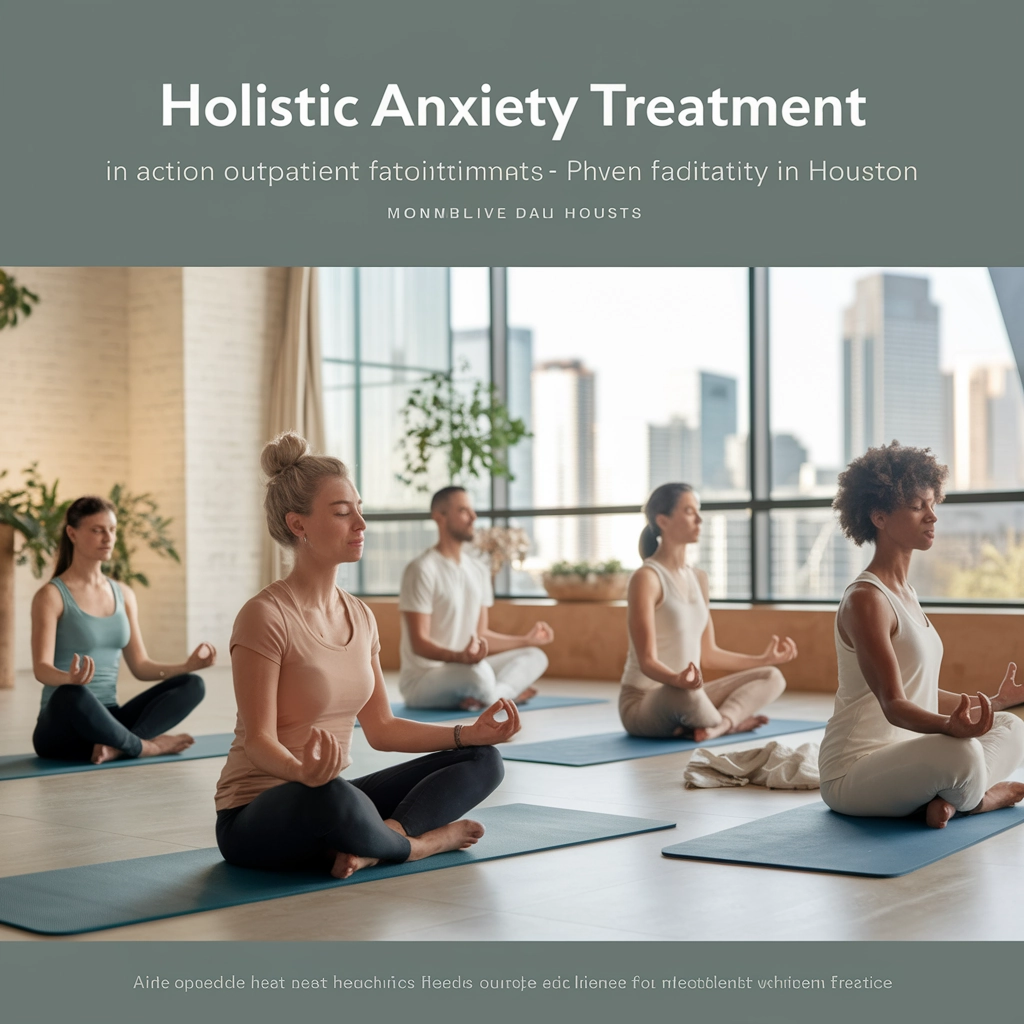
When anxiety takes hold, it can feel like you’re trapped in an endless cycle—but here’s the hopeful truth: anxiety doesn’t have to be a lifelong sentence. With early intervention and the right treatment approach, many people experience significant improvement and even full recovery from anxiety disorders. At Altura Recovery in Houston, we’ve seen firsthand how addressing anxiety symptoms early can change the trajectory of someone’s mental health journey.
Why Early Treatment Makes All the Difference
Think of anxiety like a small crack in a windshield—if addressed quickly, it can be repaired before spreading. However, if left untreated, that crack can spider across the entire surface, becoming much more difficult to fix. The same principle applies to anxiety disorders.
Research consistently shows that early intervention for anxiety significantly reduces the risk of symptoms becoming chronic. In fact, according to studies, individuals who receive prompt treatment for anxiety are much less likely to develop more severe conditions like panic disorder, generalized anxiety disorder, or depression later in life.
Breaking the Cycle Before It Strengthens
Our brains are remarkably adaptable, which is both good and bad news when it comes to anxiety. The longer anxiety patterns persist, the more deeply ingrained they become in our neural pathways. However, this same neuroplasticity means that early intervention can help rewire these pathways before unhealthy patterns become entrenched.
“The earlier we can intervene with effective treatment, the better chance we have of preventing anxiety from becoming a defining feature of someone’s life,” explains the Anxiety and Depression Association of America. “Early treatment essentially interrupts the anxiety cycle before it gains momentum.”
Recognizing Anxiety Early: Key Signs to Watch For
One challenge with anxiety is that many people don’t recognize it until it’s significantly impacting their lives. Here are important early warning signs to be aware of:
Physical Symptoms That Shouldn’t Be Ignored
Persistent headaches or stomachaches without medical cause
Sleep disturbances or insomnia
Muscle tension, especially in the neck and shoulders
Rapid heartbeat or breathing difficulties in stressful situations
Fatigue that doesn’t improve with rest
Behavioral and Emotional Changes
Excessive worry about everyday situations
Avoidance of certain places, people, or activities
Irritability or restlessness
Difficulty concentrating or mind going blank
Seeking constant reassurance
According to the National Institute of Mental Health, recognizing these signs early allows for intervention before anxiety patterns become deeply established.
The Long-Term Benefits of Early Anxiety Treatment
When we address anxiety early, the benefits extend far beyond immediate symptom relief. Research published in the Journal of Psychiatric Research shows that early intervention for anxiety disorders provides several long-term advantages:
Better Academic and Career Outcomes
For students and young professionals especially, untreated anxiety can derail academic progress and career development. Early intervention helps maintain focus, productivity, and confidence during these crucial developmental periods.
Stronger Social Connections
Anxiety often leads to social withdrawal and isolation. By addressing anxiety early, individuals can maintain and strengthen their social connections—which, ironically, serve as one of the most powerful buffers against worsening mental health.
Reduced Risk of Co-occurring Conditions
Perhaps most importantly, early treatment for anxiety significantly reduces the risk of developing other mental health conditions. Studies show that untreated anxiety frequently leads to depression, substance use disorders, and even physical health problems.
“Each condition becomes harder to treat when multiple disorders are present,” notes the World Health Organization. “This makes early intervention for anxiety not just beneficial but essential for long-term mental health.”
Effective Early Treatment Approaches for Anxiety
At Altura Recovery in Houston, we emphasize evidence-based treatments that address anxiety at its roots. Here are some of the most effective approaches for early anxiety intervention:
Cognitive Behavioral Therapy (CBT)
CBT remains the gold standard for anxiety treatment, especially when implemented early. This approach helps identify and change thought patterns that fuel anxiety, while also teaching practical skills to manage symptoms.
Mindfulness-Based Interventions
Mindfulness practices help break the cycle of anxious thinking by bringing attention to the present moment. These techniques are particularly effective when learned early, before anxiety becomes habitual.
Lifestyle Modifications That Make a Difference
Sometimes, simple changes can have profound effects on anxiety levels:
Regular physical activity
Consistent sleep schedules
Nutrition improvements
Reduced caffeine and alcohol consumption
Structured stress management techniques
These interventions are often most effective when introduced early in the anxiety development process.
Why Outpatient Treatment Works for Early Anxiety Intervention
For many Houston residents dealing with emerging anxiety, outpatient treatment offers the ideal balance of professional support and real-life application. At Altura Recovery, our outpatient model allows clients to:
Receive expert guidance while maintaining daily routines
Apply new skills immediately in real-world situations
Build community connections that support recovery
Address anxiety without disrupting work or school obligations
This approach is particularly effective for early intervention because it allows for treatment within the context of everyday life, where anxiety typically manifests.
Altura Recovery’s Approach to Early Anxiety Treatment
At Altura Recovery, serving Houston, Bellaire, and West University areas, we take a comprehensive approach to early anxiety intervention:
Personalized Assessment and Treatment Planning
We recognize that anxiety manifests differently for each person. Our treatment begins with a thorough assessment to understand your specific anxiety triggers, symptoms, and goals.
Holistic Treatment Modalities
Our program integrates evidence-based therapies with holistic approaches including:
One-on-one therapy sessions
Recovery coaching for practical skill-building
Yoga and meditation for mind-body connection
Nutritional guidance to support mental wellness
Building Supportive Community Connections
We believe strongly that healing happens in connection with others. Our community-focused approach ensures you don’t face anxiety alone, providing a supportive environment that encourages growth and recovery.
Taking the First Step: Breaking Free from Anxiety
If you or someone you love is showing early signs of anxiety, remember that prompt action can prevent years of unnecessary suffering. The compassionate team at Altura Recovery is here to help residents of Houston, Bellaire, and West University address anxiety before it becomes a defining feature of life.
Don’t wait until anxiety feels unmanageable. Early intervention is your most powerful tool for ensuring that anxiety remains a temporary chapter rather than a lifelong condition.
Ready to take that first step? Schedule a no-commitment, 20-minute discovery call today to see if our services are right for you. You can call anytime or book directly through our website—because the sooner you reach out, the sooner anxiety can stop controlling your life.
Comprehensive Guide to Early Anxiety Treatment at Altura Recovery
At Altura Recovery, we understand that early intervention is crucial for effectively managing anxiety disorders. This comprehensive guide aims to provide you with valuable insights into our approach, treatment options, and the importance of recognizing anxiety symptoms promptly. By focusing on early treatment, we empower individuals to reclaim their lives and foster resilience against anxiety-related challenges.
Our commitment to early anxiety treatment is rooted in the belief that no one should have to endure the debilitating effects of anxiety alone. This guide will explore various aspects of anxiety treatment, from recognizing early signs to the benefits of outpatient therapy, ensuring that you have the information necessary to make informed decisions about your mental health journey.
Understanding Anxiety Disorders: Types and Symptoms
Anxiety disorders encompass a range of conditions, each with its unique symptoms and challenges. Understanding these disorders is essential for identifying when to seek help. Common types include generalized anxiety disorder, panic disorder, and social anxiety disorder, each presenting distinct symptoms that can significantly impact daily life.
For instance, generalized anxiety disorder often involves persistent worry about various aspects of life, while panic disorder is characterized by sudden and intense episodes of fear. By recognizing the specific symptoms associated with each type of anxiety disorder, individuals can better understand their experiences and seek appropriate treatment options at Altura Recovery.
Integrating Family Support in Anxiety Treatment
Family support plays a vital role in the recovery process for individuals dealing with anxiety. Engaging family members in treatment not only fosters understanding but also creates a supportive environment conducive to healing. At Altura Recovery, we encourage family involvement through educational sessions and therapy, helping loved ones learn how to best support those struggling with anxiety.
Research indicates that individuals with strong family support systems tend to experience better treatment outcomes. By integrating family dynamics into the treatment plan, we aim to strengthen relationships and build a network of support that enhances the recovery journey, making it more effective and sustainable.
Long-Term Strategies for Managing Anxiety
While early intervention is critical, developing long-term strategies for managing anxiety is equally important. These strategies can include ongoing therapy, lifestyle modifications, and mindfulness practices, all aimed at equipping individuals with tools to handle anxiety as it arises. At Altura Recovery, we emphasize the importance of not only addressing immediate symptoms but also preparing clients for future challenges.
Implementing techniques such as regular exercise, healthy eating, and stress management practices can significantly enhance long-term mental health. Our team works collaboratively with clients to create personalized plans that incorporate these strategies, ensuring that they have the resources to manage anxiety effectively beyond their time in treatment.
houston, therapy, mental health, substance abuse, dual diagnosis, health, addiction, psychiatry, patient, community, php, insurance, cenikor foundation, dialectical behavior therapy, substance, iop, employer, counselor, alcohol, relapse, peer support, education, social work, job description, greater houston, behavior, crisis intervention, sobriety, health insurance, substance dependence, physical therapy, psychology, injury, medication, humana, drug, opioid, coping, anxiety, rehab, texas rehab centers, bay area recovery, outpatient program, treatment programs, mental health treatment, treatment centers, inpatient, yoga, physician, music therapy, aetna, positive psychology, experience, gender, healing, recreational therapy, brain, payment, understanding, philosophy, neuron, health care, root, pain, meditation, motivation, mind, stress, evaluation, optum, fee, information, cost, clinician, methadone, length of stay, internet, opiate, exercise, programs, program, blue cross blue, treatment, medical, sober, sober living, drugs, behaviors, positive, light, families, family, recovery, aetna blue cross, center, parc, treatment center, clinical, mental, virtual, contact, mental health support, clients, peer support specialist
Frequently Asked Questions
Are Altura Recovery programs individualized for each client?
Altura Recovery programs are individualized for each client, ensuring that treatment plans are tailored to meet the unique needs and circumstances of every individual. This personalized approach fosters effective recovery and supports long-term success.
Does Altura Recovery Houston provide detox services?
Altura Recovery Houston does not provide detox services directly. Instead, we focus on outpatient addiction treatment, supporting individuals after they have completed detox or inpatient rehab.
What amenities are provided at Altura Recovery centers?
The amenities provided at Altura Recovery centers include comfortable therapy spaces, group meeting rooms, and access to life skills coaching, all designed to support individuals in their outpatient addiction recovery journey.
Are Altura Recovery Houstons programs covered by insurance?
Altura Recovery's programs are typically covered by many insurance plans. We recommend contacting our admissions team to verify your specific coverage and explore available options for financial assistance.
What is the staff-to-client ratio at Altura Recovery?
The staff-to-client ratio at Altura Recovery is designed to ensure personalized attention and support, typically maintaining a low ratio to facilitate effective treatment and foster meaningful connections between clients and staff.
What types of therapy are used at Altura Recovery?
The types of therapy used at Altura Recovery include individual therapy, group therapy, cognitive-behavioral therapy (CBT), and holistic approaches, all tailored to support individuals in their journey to recovery from addiction and co-occurring mental health conditions.
What types of therapy are used at Altura Recovery Houston?
The types of therapy used at Altura Recovery Houston include individual therapy, group therapy, cognitive-behavioral therapy (CBT), and dialectical behavior therapy (DBT), all tailored to support recovery from substance use disorders and co-occurring mental health conditions.
What services does Altura Recovery Houston offer to patients?
Altura Recovery Houston offers a range of outpatient addiction treatment services, including personalized therapy sessions, group support, and life skills coaching, all designed to support individuals in their recovery journey while maintaining their daily routines.
How long do Altura Recovery programs typically last?
Altura Recovery programs typically last from several weeks to a few months, depending on individual needs and treatment goals. Each program is tailored to support long-term recovery while accommodating daily life.
How does Altura Recovery address co-occurring disorders?
Altura Recovery addresses co-occurring disorders by offering integrated treatment that simultaneously targets both substance use and mental health issues. This approach ensures personalized care through tailored therapy sessions and support, fostering comprehensive healing and long-term recovery.
Is Altura Recovery Houston a co-ed rehab facility?
Altura Recovery Houston is a co-ed rehab facility, providing a supportive environment for both men and women in their journey toward recovery from substance use disorders and co-occurring mental health conditions.
Does Altura Recovery Houston treat opioid addiction?
Altura Recovery Houston specializes in treating opioid addiction through personalized outpatient programs. Our evidence-based therapies and supportive community help individuals achieve lasting recovery while maintaining their daily lives.
What is the success rate of Altura Recovery Houston?
The success rate of Altura Recovery Houston reflects our commitment to personalized, evidence-based treatment. While individual outcomes vary, many clients achieve significant long-term recovery through our tailored programs and supportive community.
Are there any holistic treatment options at Altura Recovery Houston?
Holistic treatment options at Altura Recovery Houston include a range of therapies designed to support the whole person, such as mindfulness practices, yoga, and nutrition counseling, all aimed at enhancing overall well-being during the recovery process.
Can family members participate in Altura Recovery programs?
Family members can participate in Altura Recovery programs. We offer family therapy sessions and support groups to help loved ones engage in the recovery process and strengthen their relationships.
What is the admission process for Altura Recovery?
The admission process for Altura Recovery involves an initial assessment to evaluate individual needs, followed by the development of a personalized treatment plan. This ensures tailored support for effective outpatient addiction recovery.
Are there aftercare services available at Altura Recovery?
Aftercare services are available at Altura Recovery. We provide ongoing support through tailored therapy sessions, group meetings, and life skills coaching to ensure a smooth transition and promote long-term recovery for our clients.
What is the duration of outpatient programs?
The duration of outpatient programs can vary, typically ranging from a few weeks to several months, depending on individual needs and treatment goals.
How does Altura Recovery support family involvement?
Altura Recovery supports family involvement by offering educational resources, family therapy sessions, and support groups that empower loved ones to understand addiction and actively participate in the recovery journey, fostering a stronger support network for individuals in treatment.
What qualifications do Altura Recovery staff members have?
The qualifications of Altura Recovery staff members include licensed therapists, certified addiction counselors, and professionals with extensive experience in mental health and substance use treatment, ensuring high-quality, evidence-based care for clients.
Are there group therapy options at Altura Recovery?
Altura Recovery offers group therapy options as part of its outpatient addiction treatment program. These sessions provide a supportive environment where individuals can connect, share experiences, and learn from one another, fostering community and healing.
What is the focus of individual therapy sessions?
The focus of individual therapy sessions is to provide personalized support tailored to each individual's unique experiences and challenges. This approach helps clients explore their thoughts and feelings, develop coping strategies, and work towards their recovery goals.
How does Altura Recovery handle relapse prevention?
Altura Recovery handles relapse prevention by providing personalized therapy sessions, group support, and life skills coaching, empowering individuals to develop coping strategies and build a strong support network essential for maintaining long-term recovery.
What types of addiction does Altura Recovery treat?
Altura Recovery treats a wide range of addictions, including alcohol, prescription medications, opioids, stimulants, and other substances. Our personalized outpatient programs support individuals in their journey to recovery from substance use disorders and co-occurring mental health conditions.
Is transportation assistance available for clients?
Transportation assistance is available for clients at Altura Recovery Center. We understand the importance of accessibility and offer support to help individuals reach our facility for their outpatient treatment sessions.
What is the environment like at Altura Recovery?
The environment at Altura Recovery is supportive and nurturing, designed to foster healing and growth. Clients experience a welcoming atmosphere that promotes community, understanding, and personalized care throughout their recovery journey.
Are there any age restrictions for clients?
Age restrictions for clients at Altura Recovery are not strictly defined; we welcome individuals of all ages seeking support for addiction recovery. Each client's needs are assessed to provide the most appropriate care.
How does Altura Recovery ensure client confidentiality?
Altura Recovery ensures client confidentiality by strictly adhering to HIPAA regulations, implementing secure data management practices, and fostering a culture of privacy among staff. This commitment protects sensitive client information throughout the recovery process.
What is the intake assessment process like?
The intake assessment process involves a comprehensive evaluation to understand your unique needs and challenges. During this process, our team will gather information about your substance use history, mental health, and personal circumstances to create a tailored treatment plan.
Are there any nutritional programs at Altura Recovery?
Altura Recovery offers nutritional programs designed to support overall wellness and recovery. These programs focus on educating individuals about healthy eating habits to enhance physical and mental health during the recovery process.